Bakeri City, Pincode: 380015 Ahmedabad, Gujarat, India,
244 Madison Avenue, New York, United States


Our Client




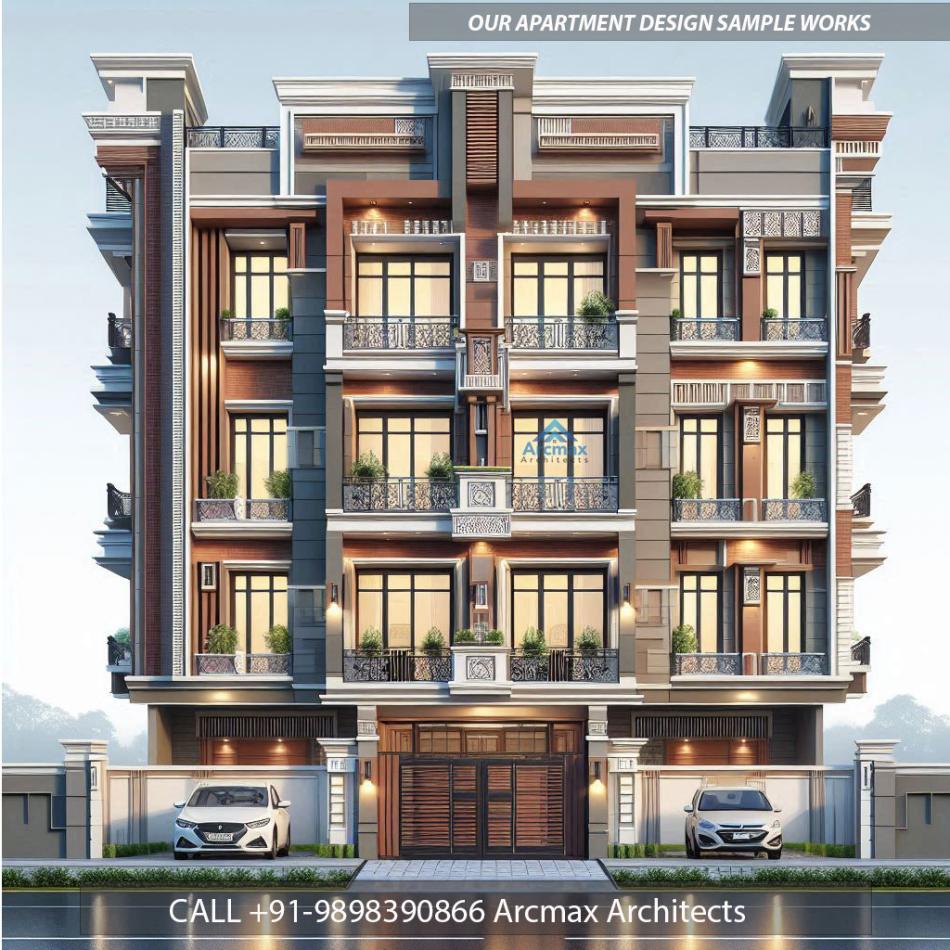
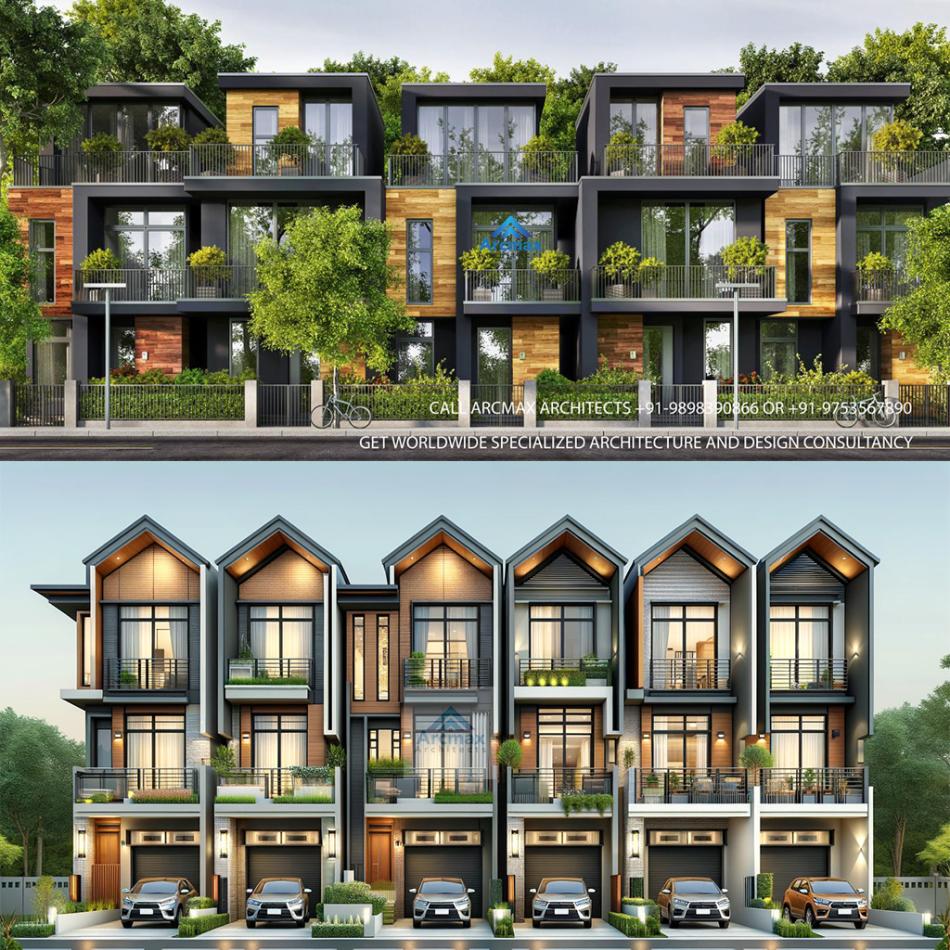
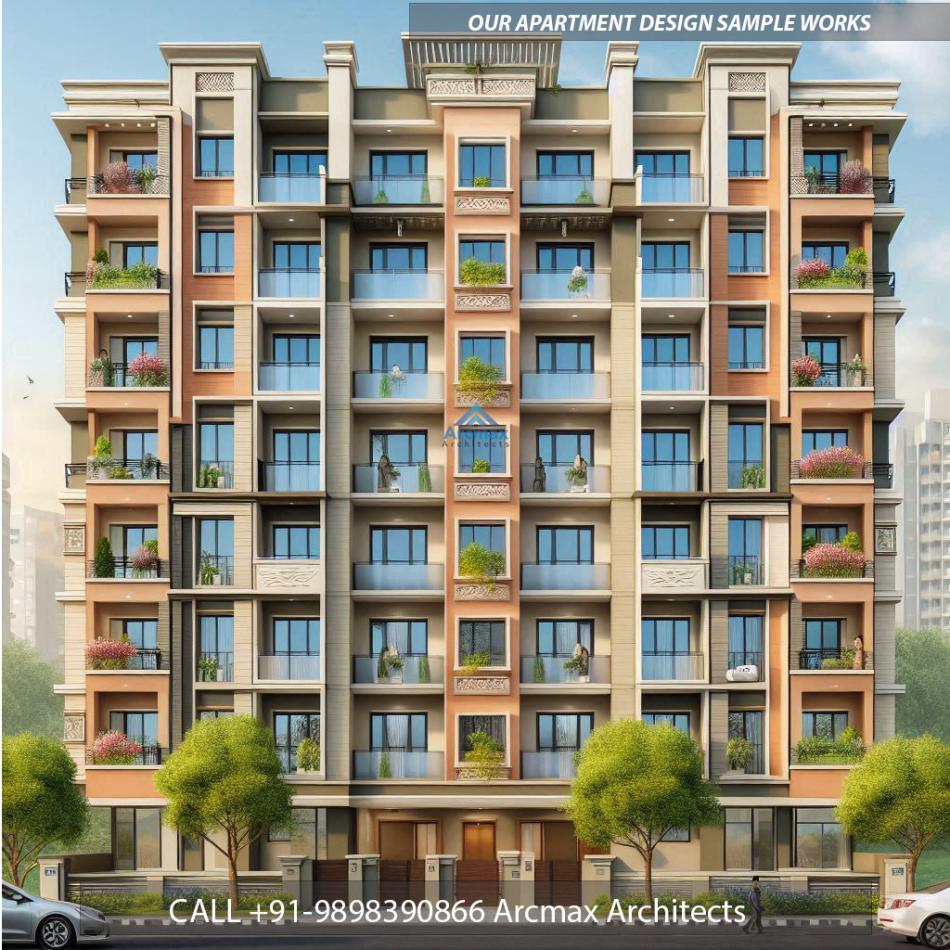
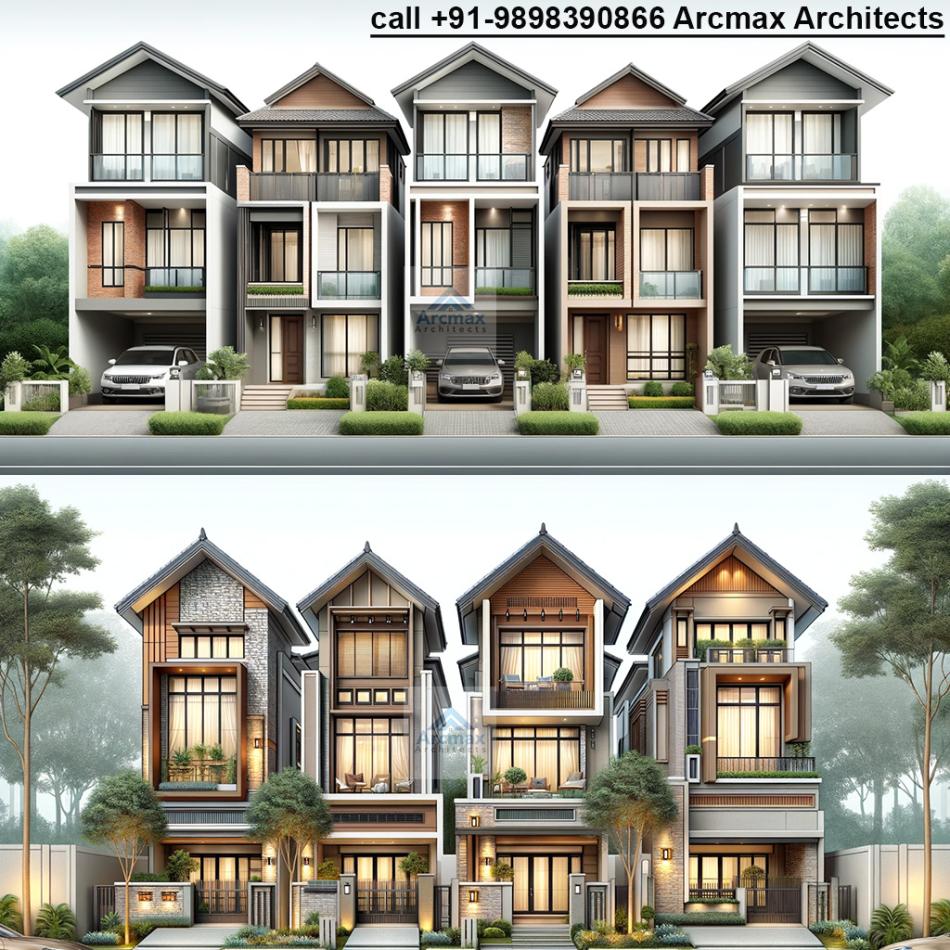

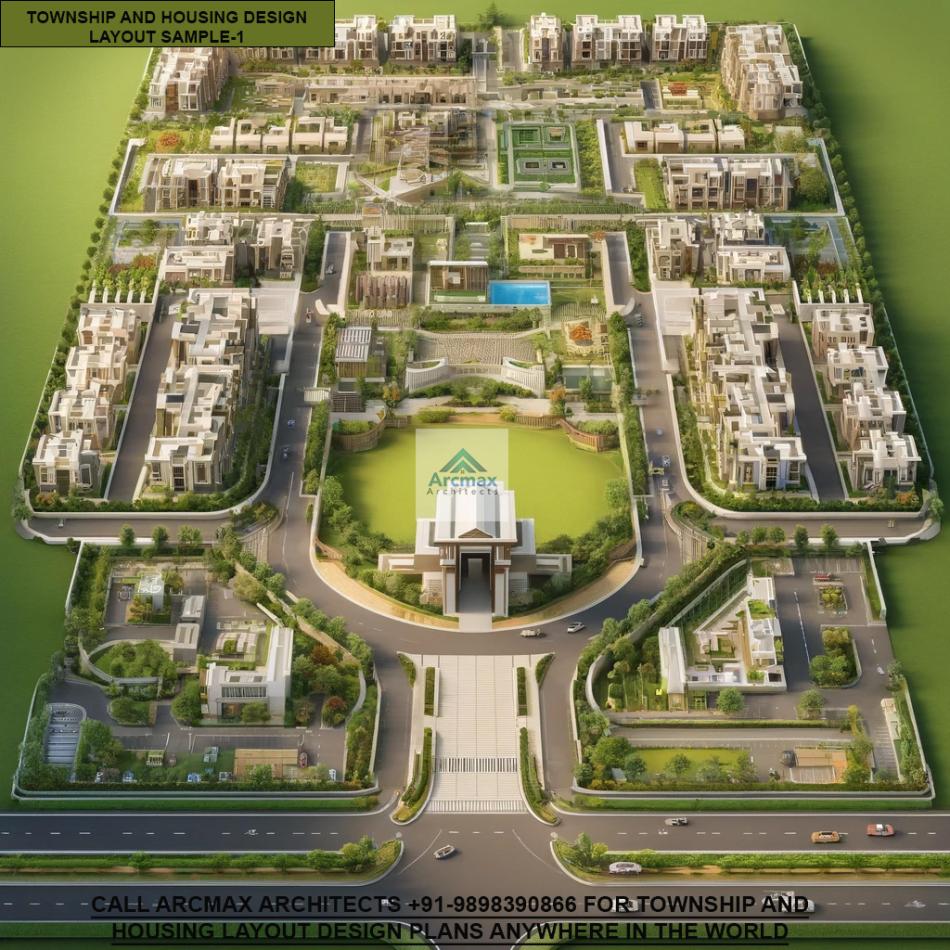
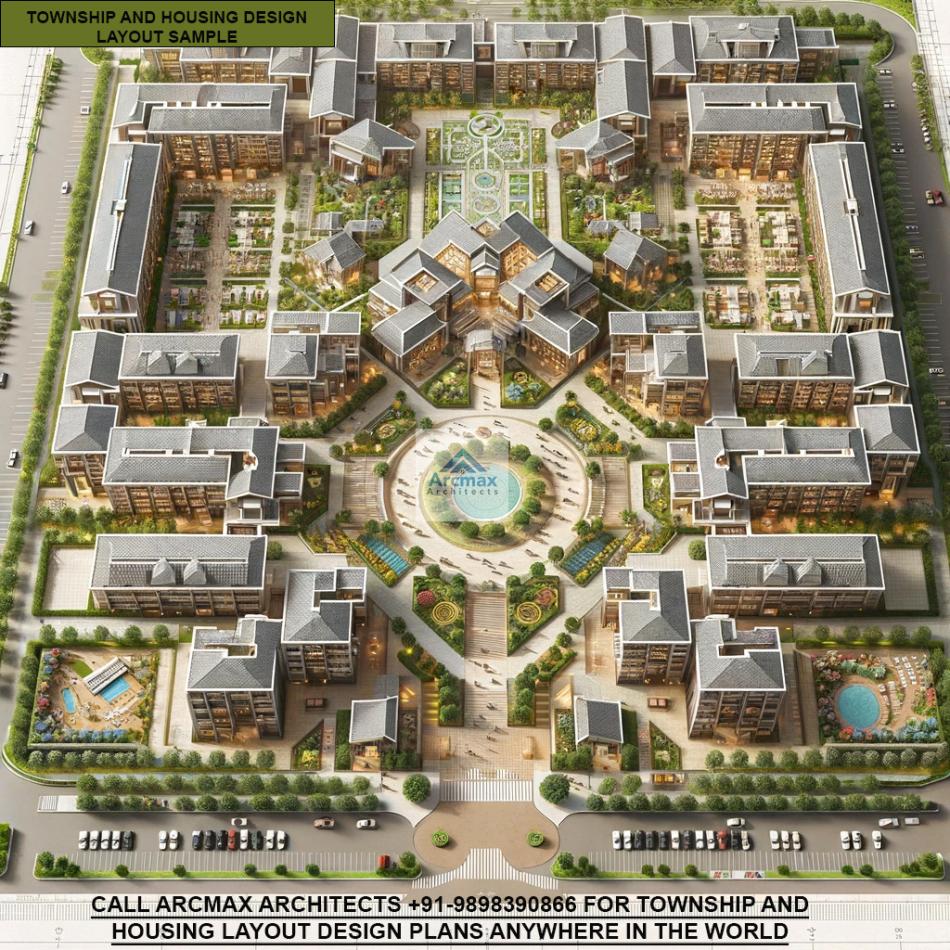
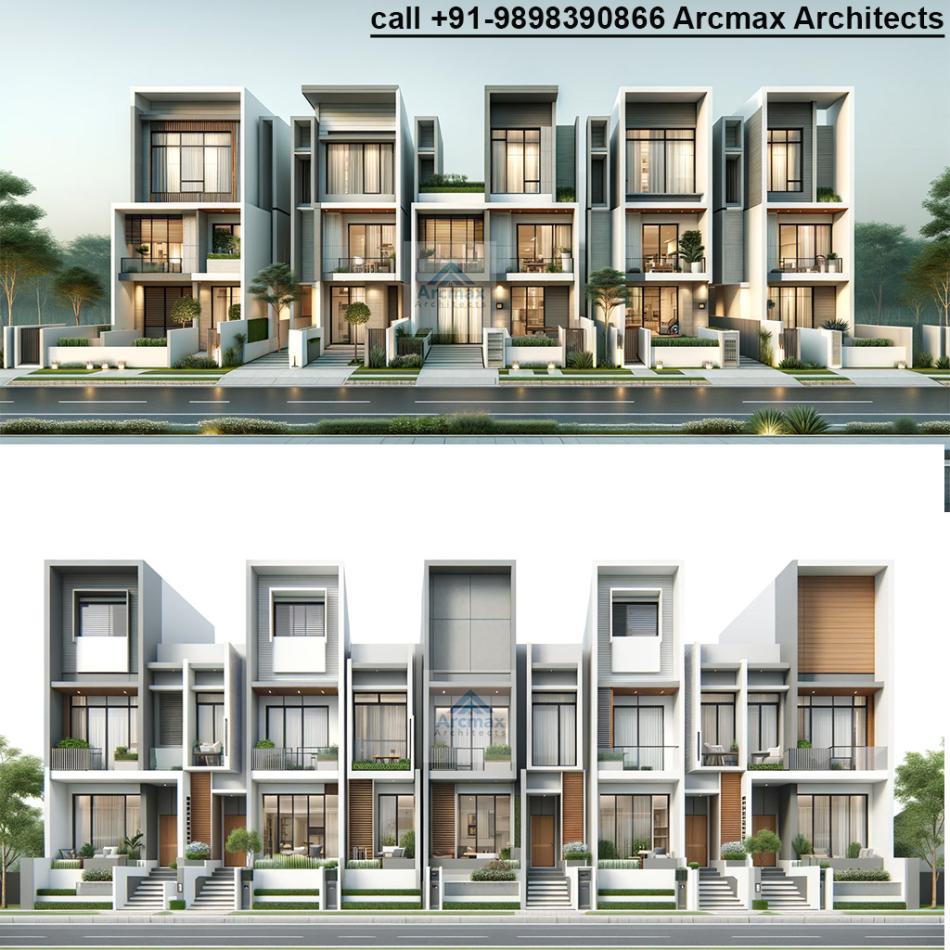
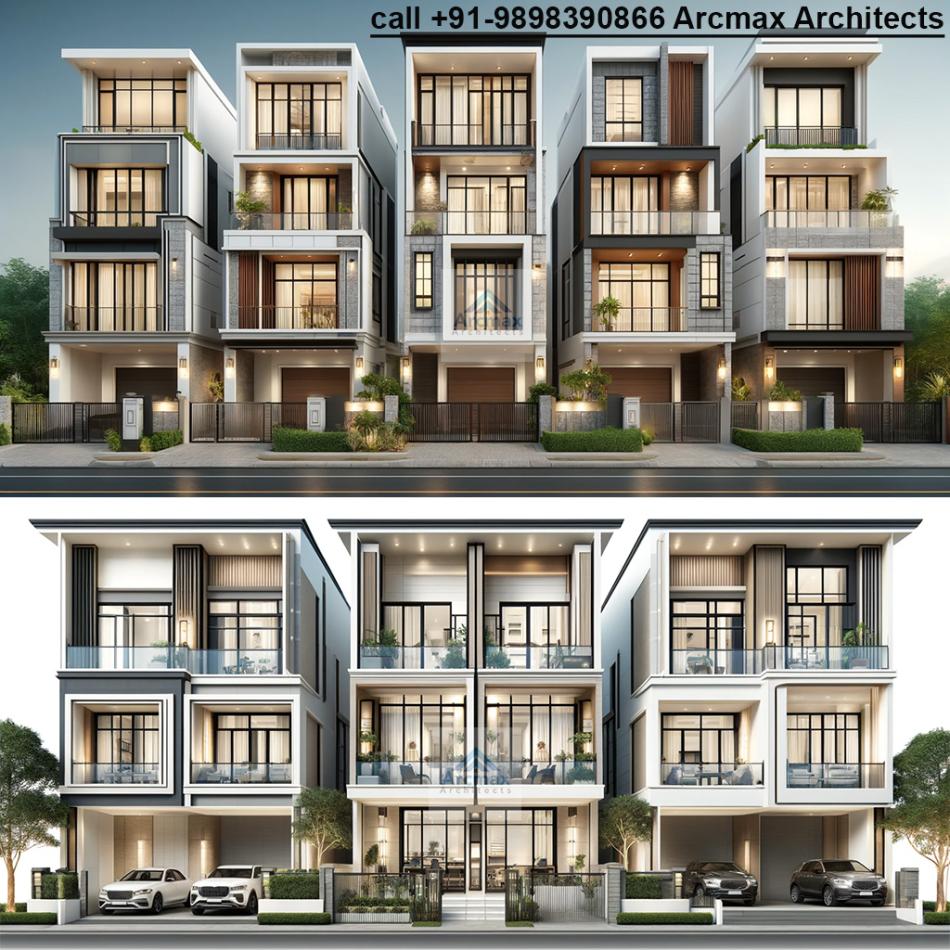
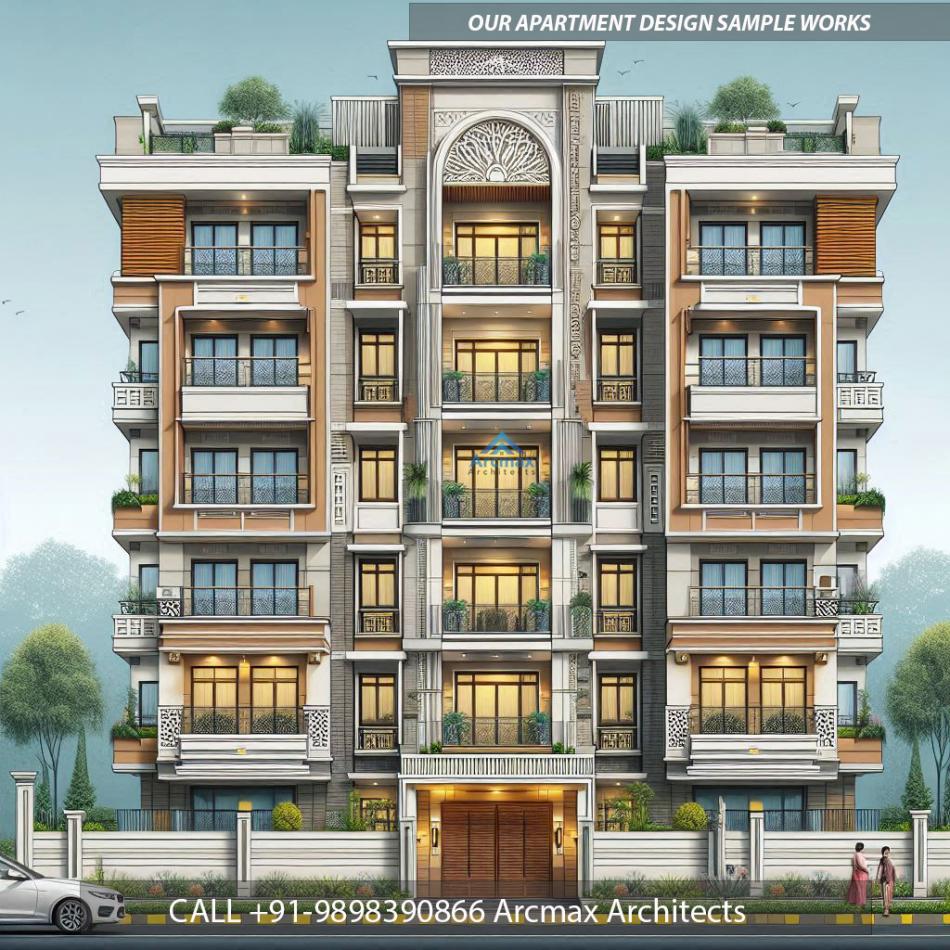
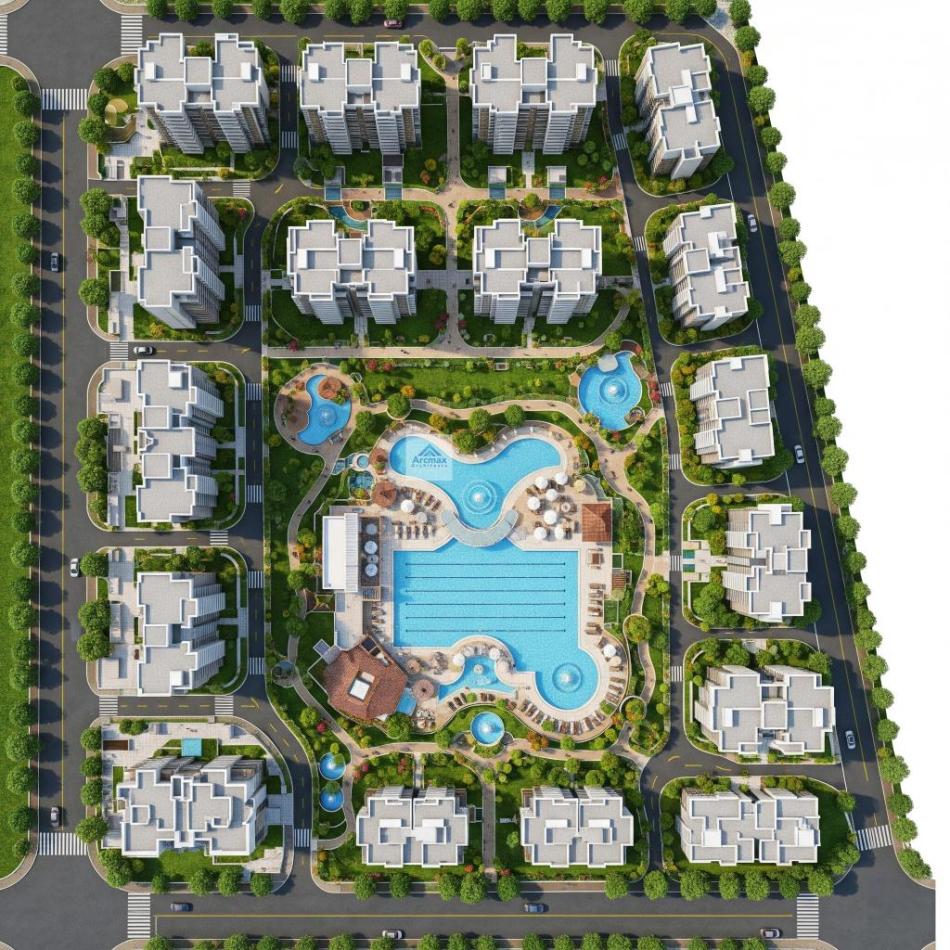
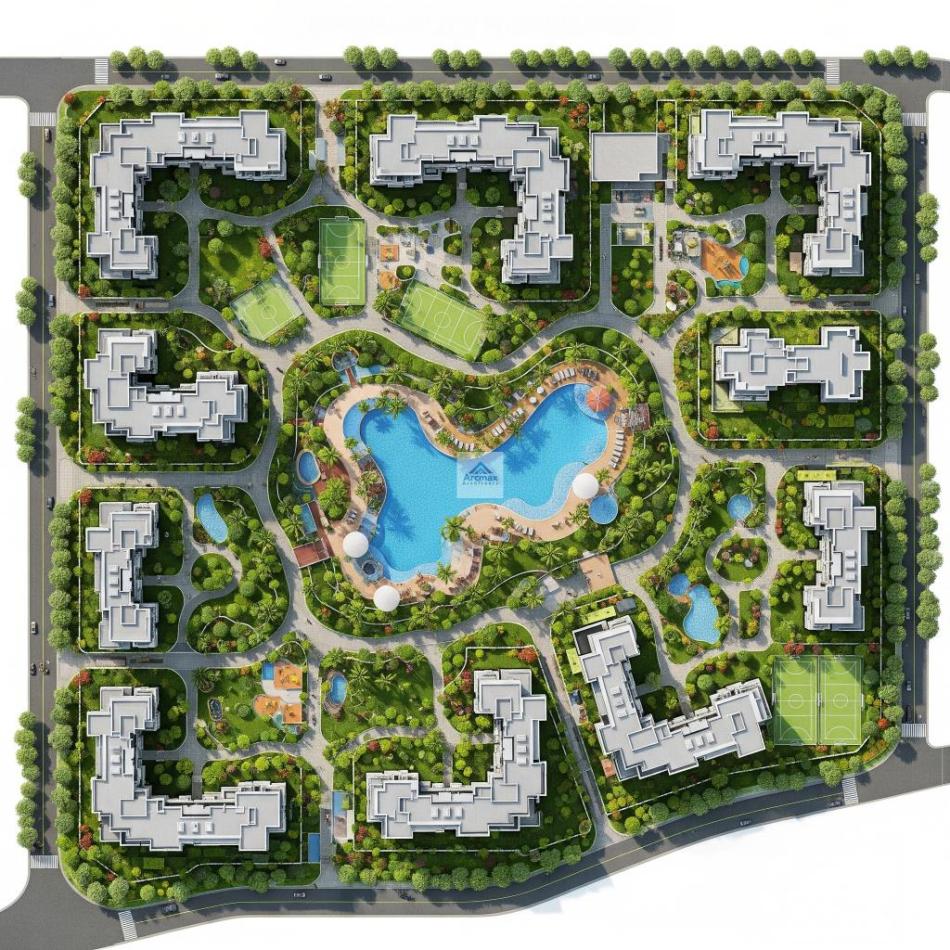
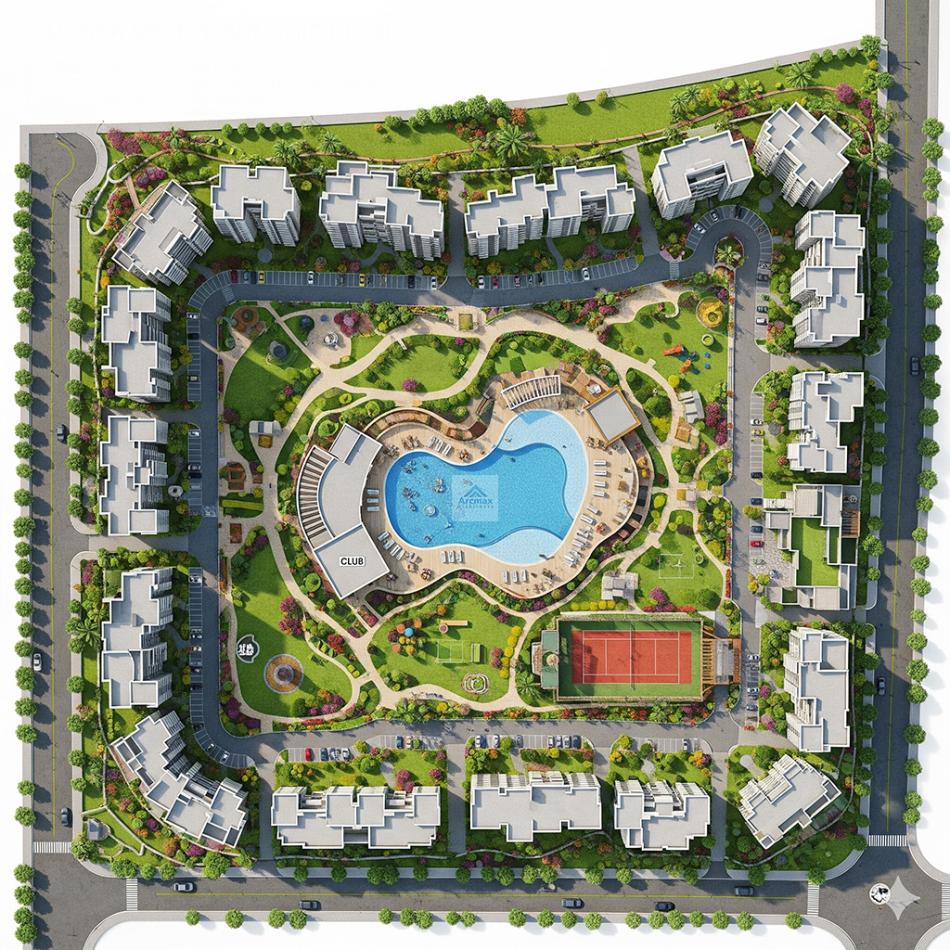
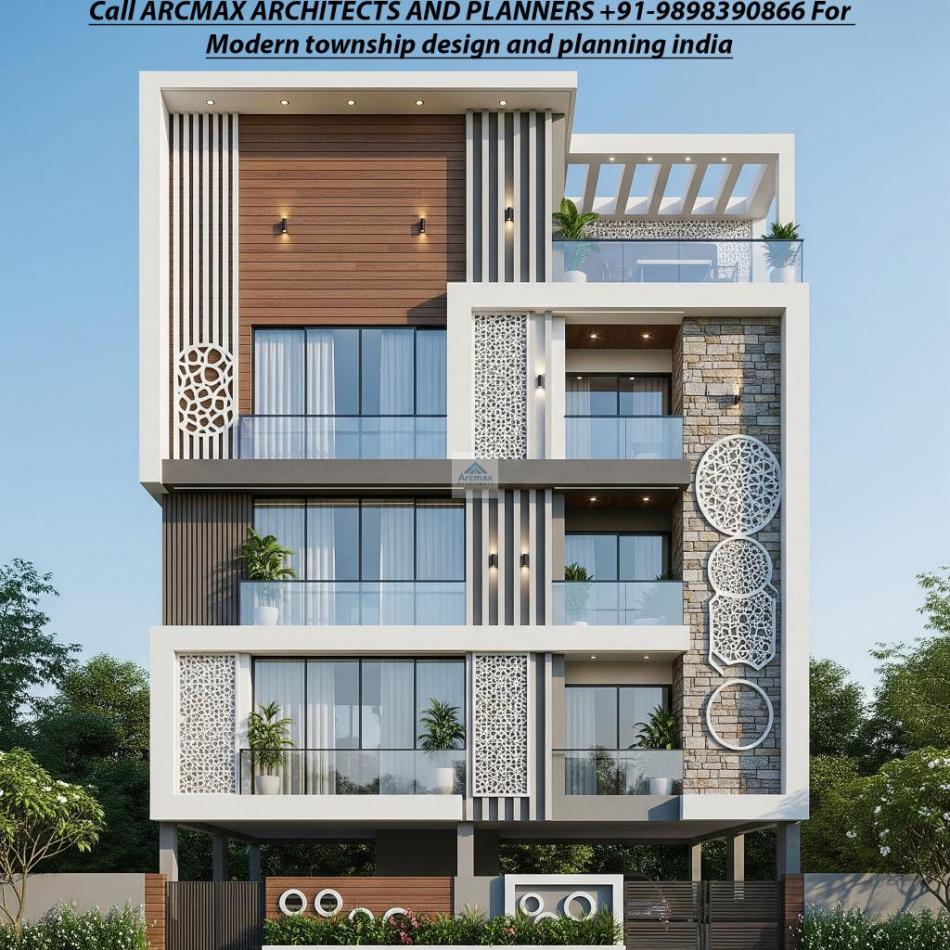
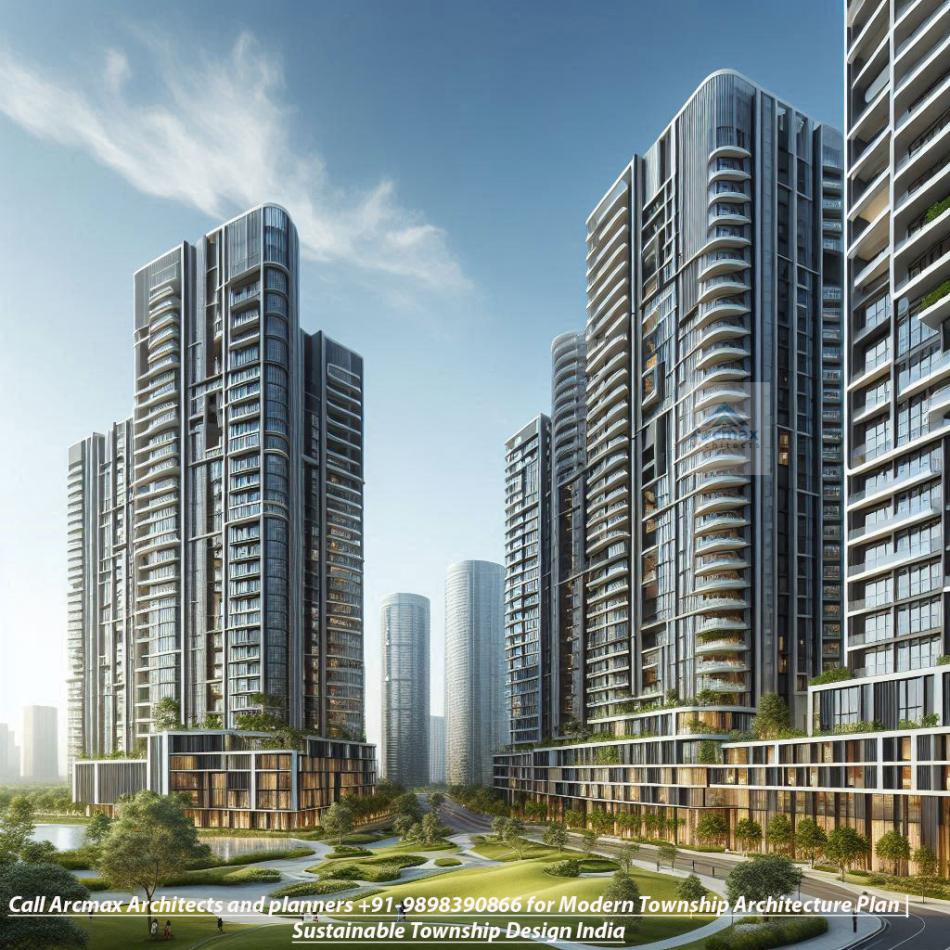
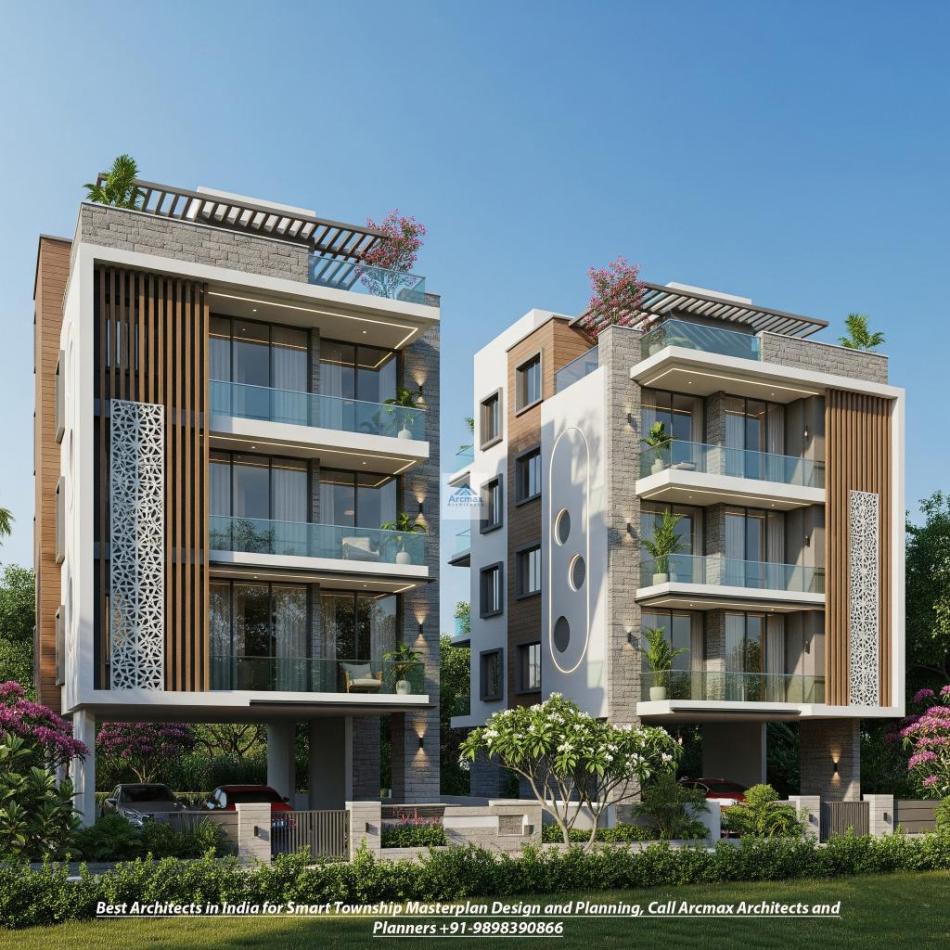
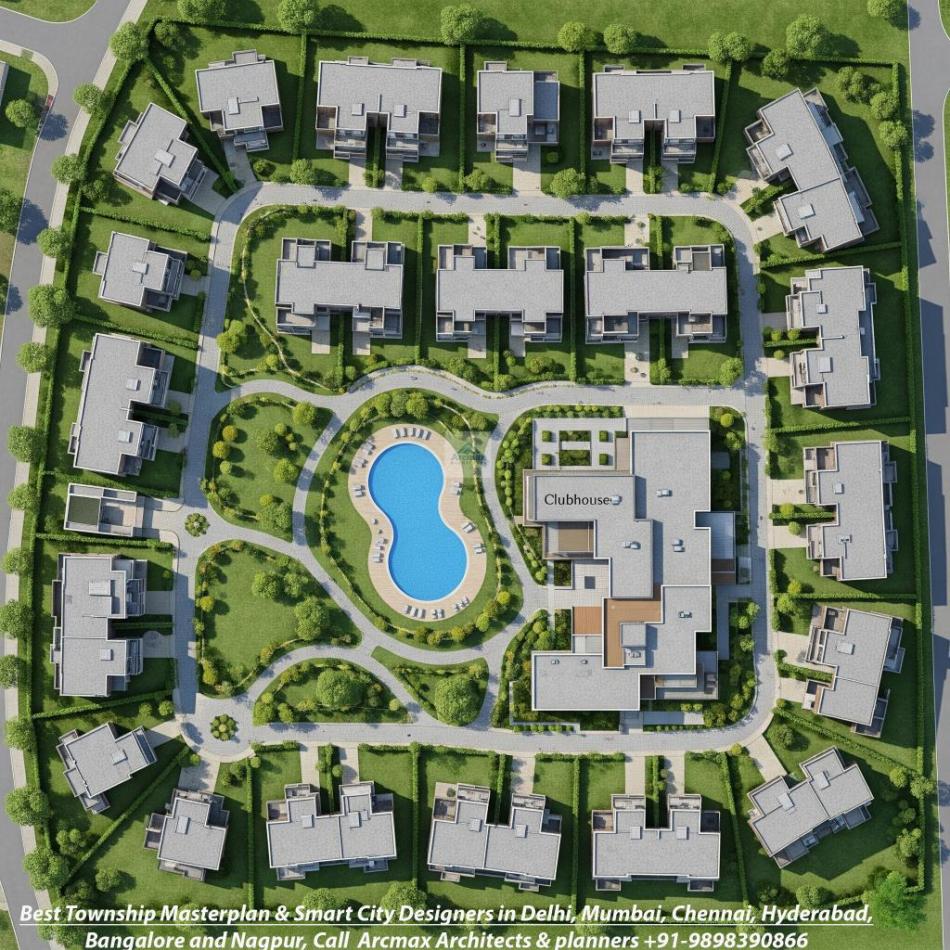
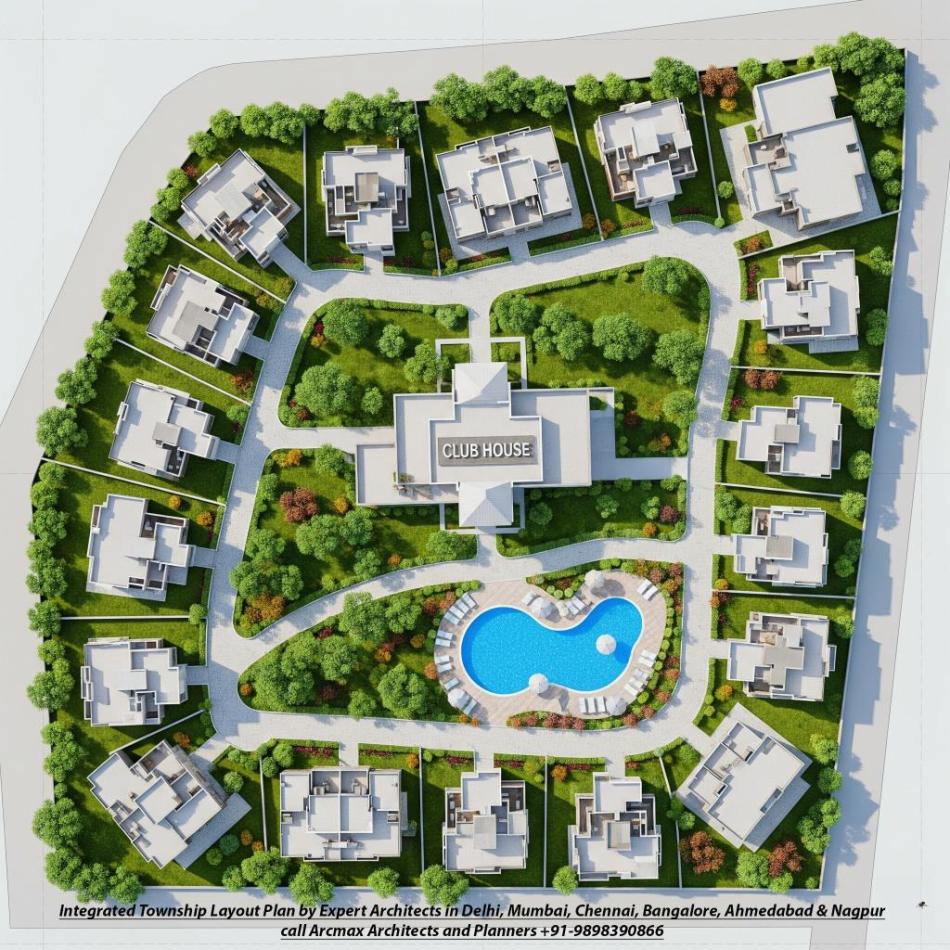
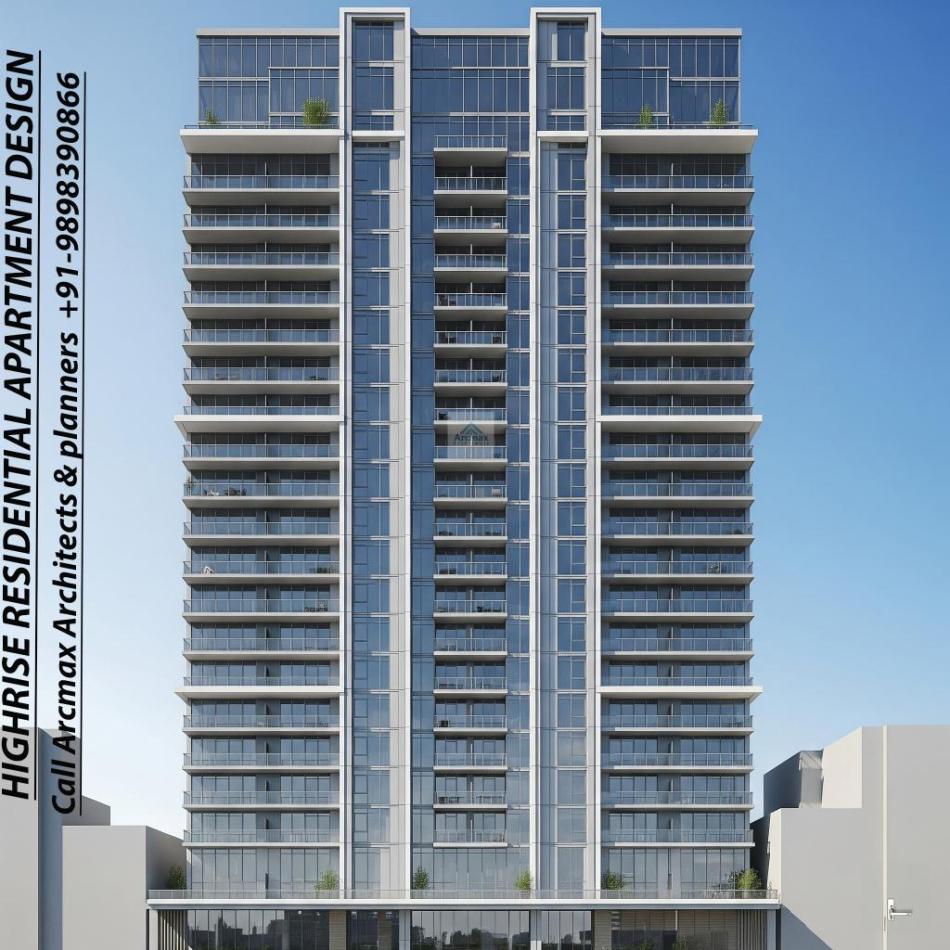
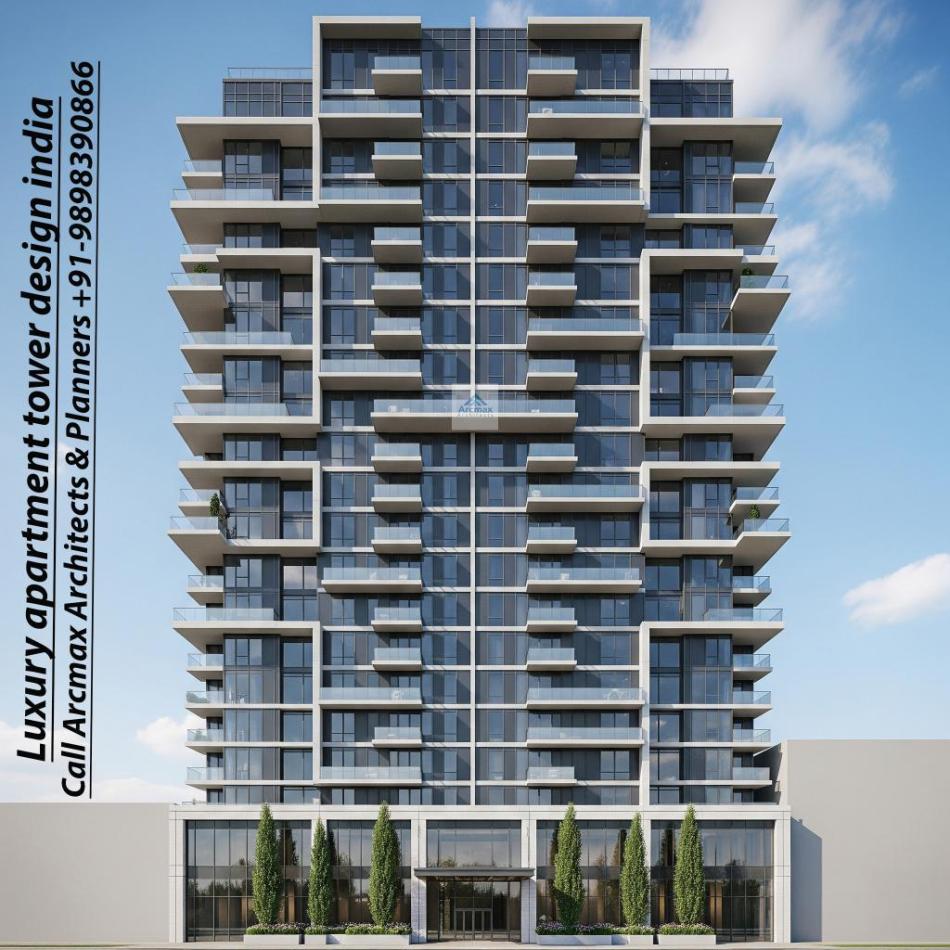
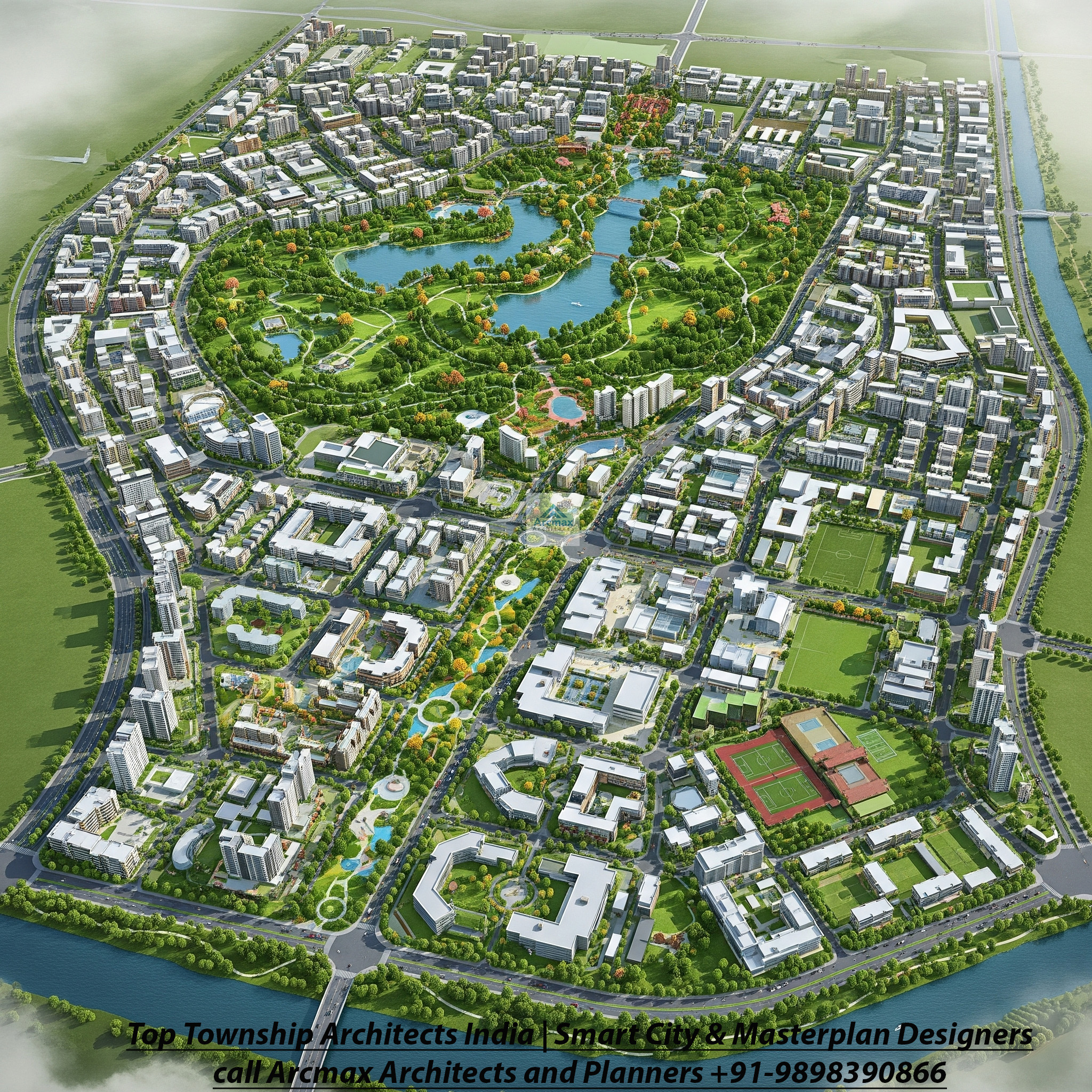
Top Township Architects India | Smart City & Masterplan Designers
Integrated Township Design and Planning – Building Sustainable Communities for the Future, Call Arcmax Architects and Planners +91-9898390866
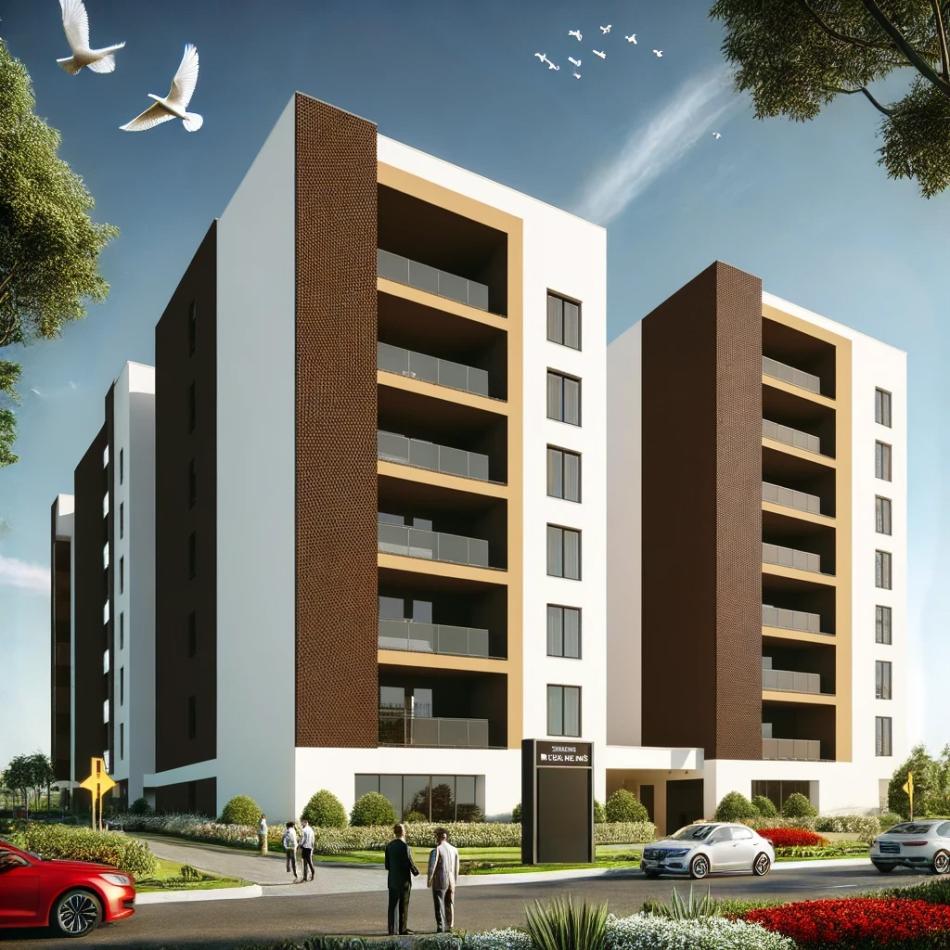
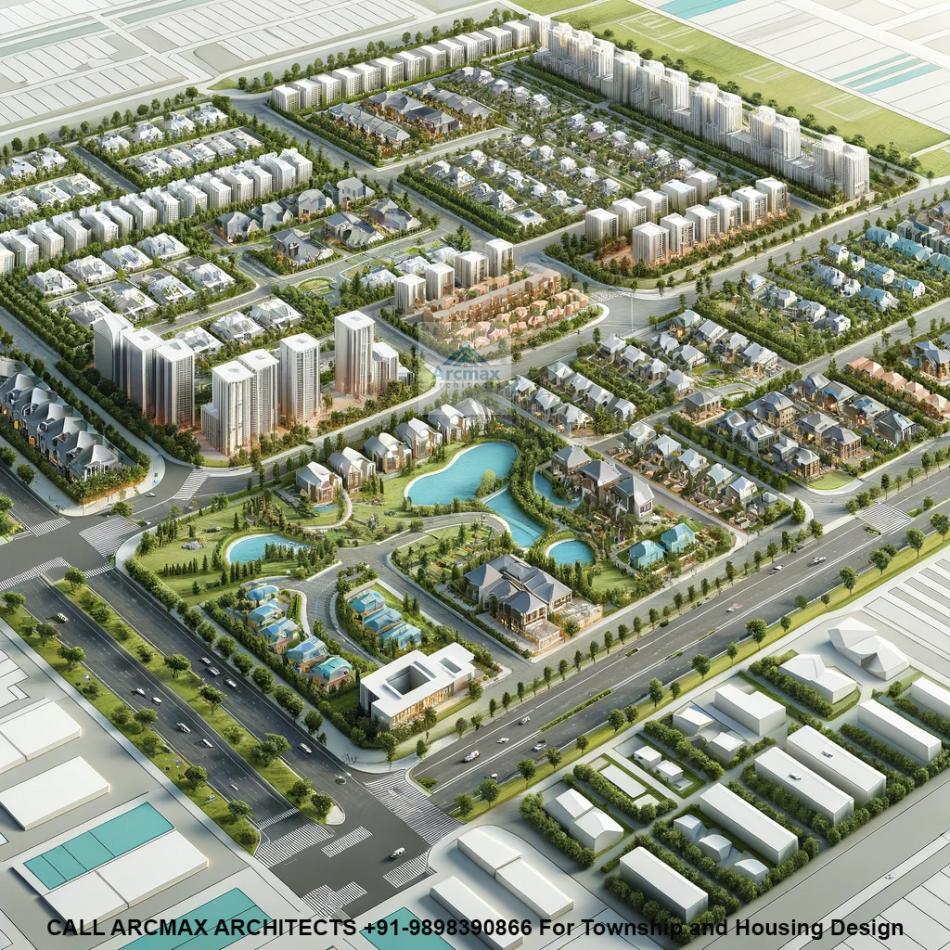
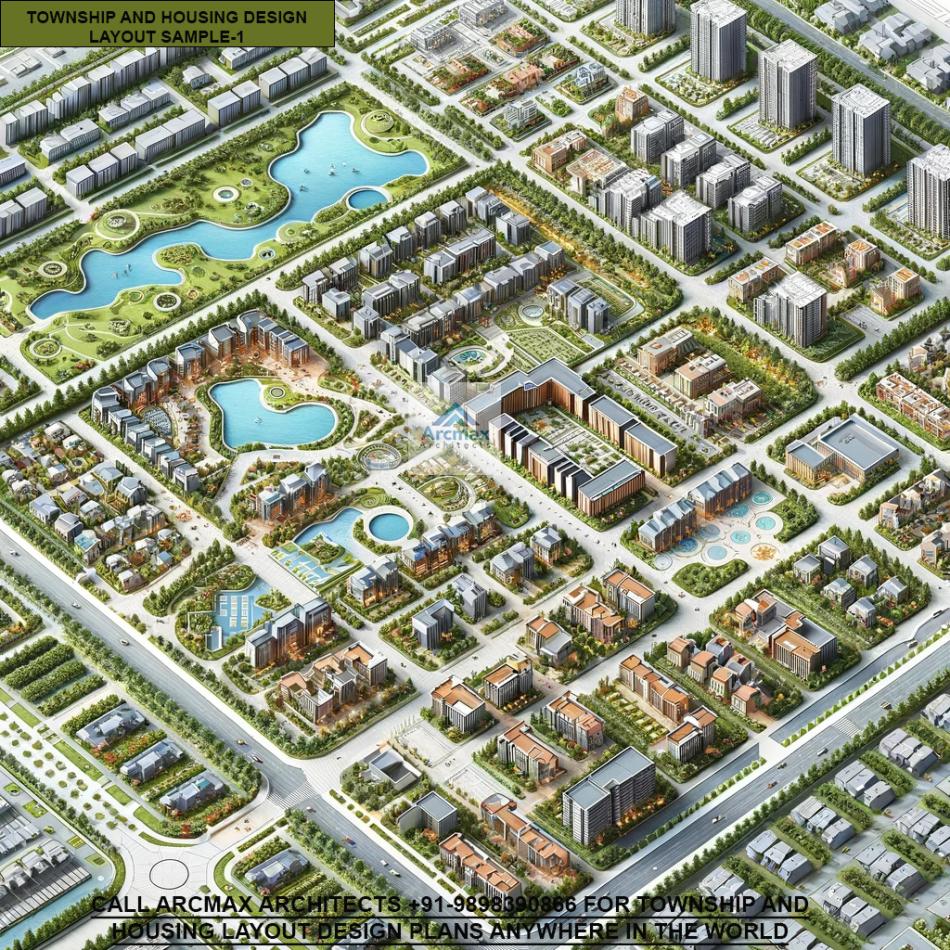
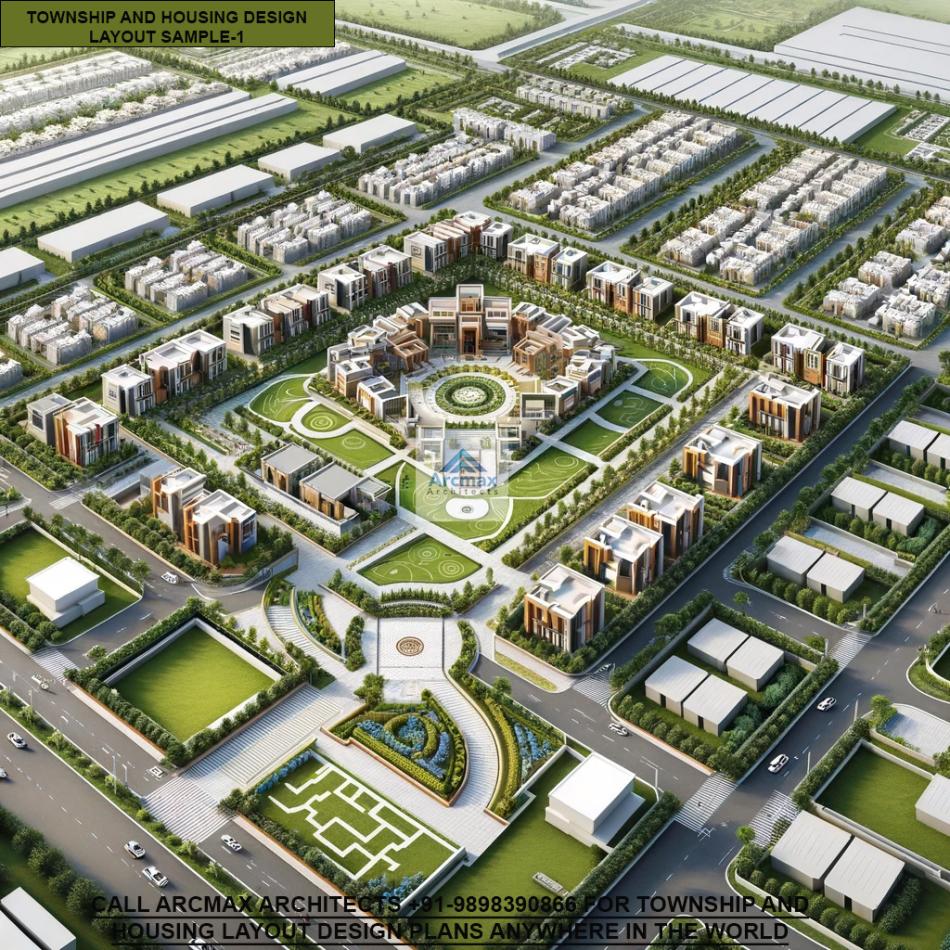
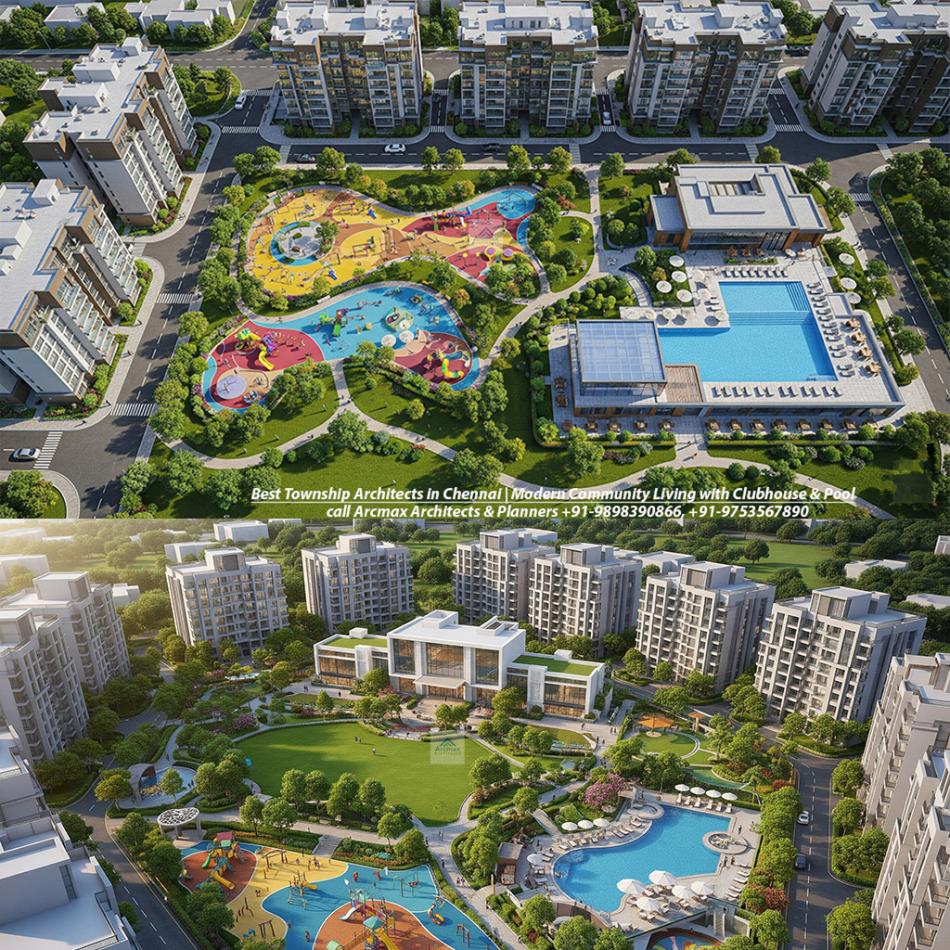
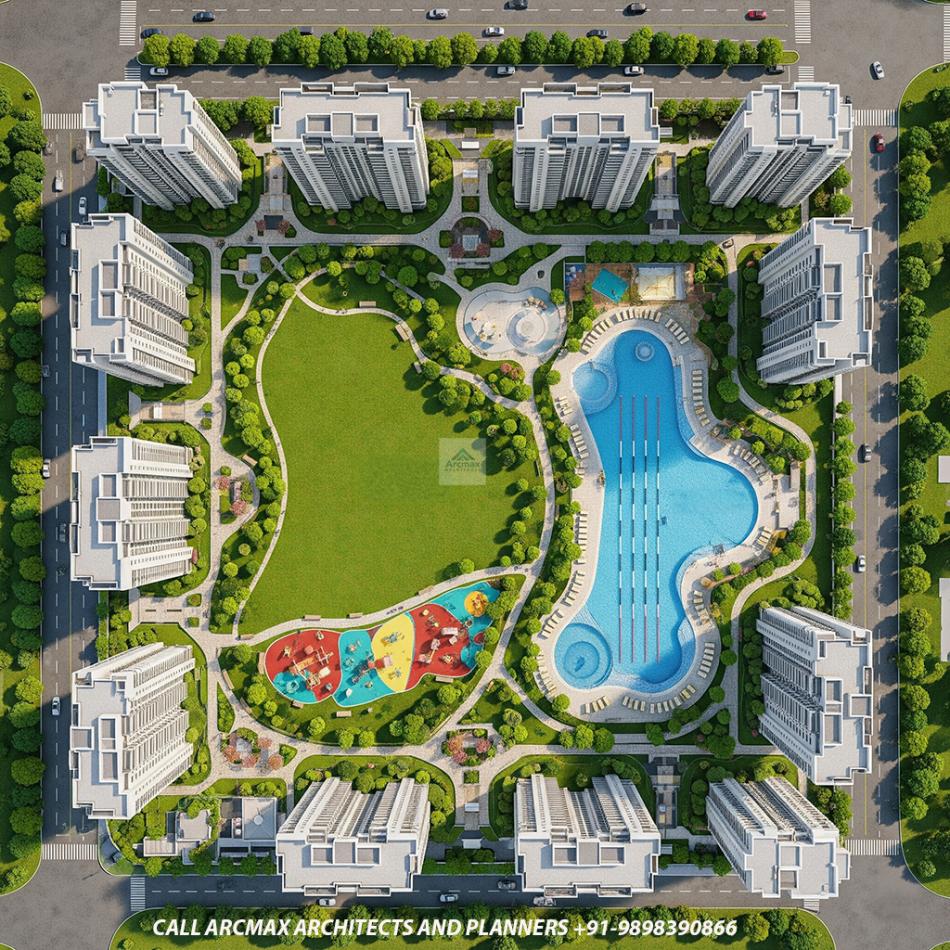
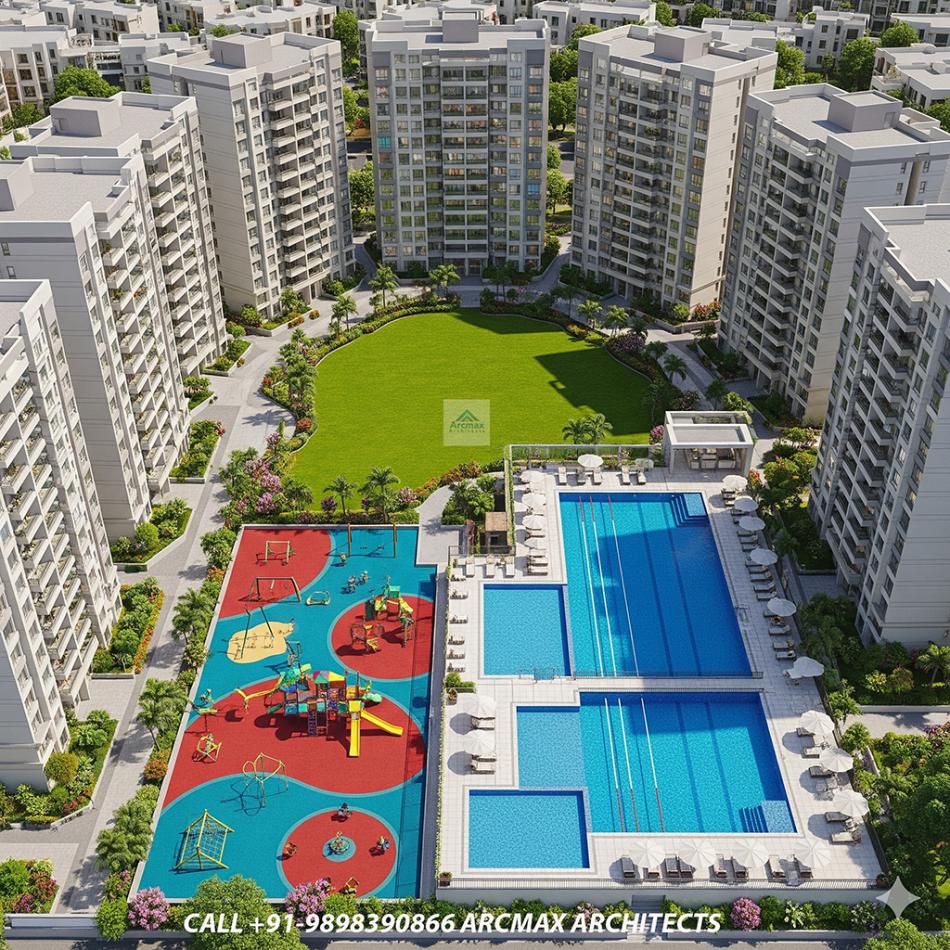
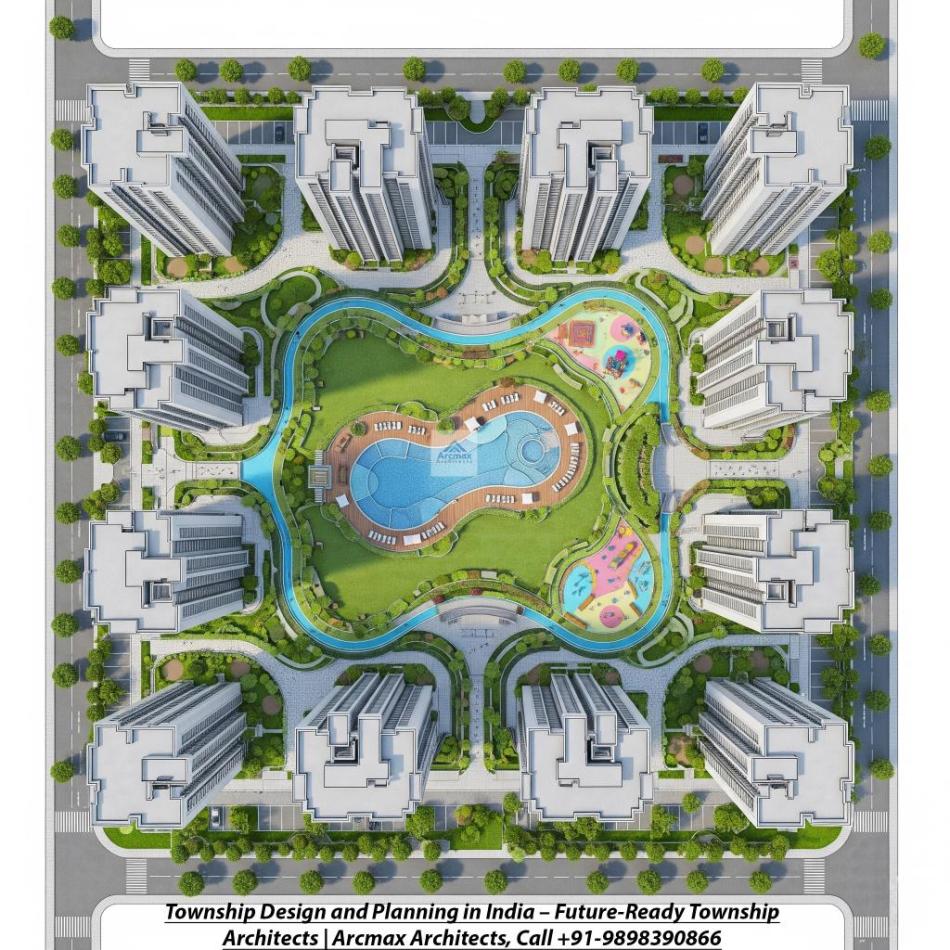
India’s cities are expanding rapidly, and with urban populations rising at an unprecedented pace, the demand for well-planned residential and mixed-use developments has reached a new high. In this context, integrated township design and planning has emerged as one of the most effective solutions for sustainable urban growth. Unlike isolated housing complexes, an integrated township is a self-sufficient ecosystem that provides everything—homes, workplaces, healthcare, education, retail, recreation, and green spaces—within a single masterplan.
This article explores the concept of integrated township planning, its core elements, benefits, challenges, and best practices, while also highlighting why expert architects play a crucial role in shaping these future-ready communities.
What is an Integrated Township?
An integrated township is a large-scale planned development designed to be self-reliant and sustainable. It combines residential, commercial, institutional, and recreational functions into one cohesive design.
Key Features of an Integrated Township:
Mixed-use Development – housing, retail, offices, schools, and hospitals in one campus.
Smart Infrastructure – roads, power supply, water systems, drainage, and digital connectivity.
Green Living – parks, open spaces, urban forests, and eco-friendly infrastructure.
Community Amenities – clubhouses, sports complexes, shopping centers, and cultural spaces.
Mobility Solutions – internal roads, shuttle services, cycling lanes, and metro connectivity.
Integrated townships are not just real estate projects; they are mini cities designed to support sustainable and modern lifestyles.
Why Integrated Township Planning is Important:
1. Self-Sufficiency
Townships reduce the need for long commutes by providing schools, hospitals, shopping complexes, and offices within walking or short driving distance.
2. Efficient Land Use
Every acre of land is planned scientifically, ensuring a balance between residential, commercial, and recreational zones.
3. Improved Lifestyle
Residents enjoy better quality of life with access to sports, wellness, shopping, and entertainment under one roof.
4. Sustainability
Township planning integrates renewable energy, water recycling, and waste management, reducing environmental impact.
5. Economic Growth
Large-scale townships attract investment, generate employment, and increase land values in surrounding areas.
Core Elements of Integrated Township Design:
A successful integrated township must balance functionality, sustainability, and aesthetics. Architects and planners focus on the following elements:
1. Residential Clusters
High-rise apartments, row houses, and villas.
Designed for cross-ventilation, natural lighting, and energy efficiency.
Affordable, mid-segment, and luxury housing options.
2. Commercial & Business Zones
Office buildings, coworking hubs, and IT parks.
Retail malls, supermarkets, cafes, and local shopping areas.
Mixed-use spaces where people can live, work, and socialize.
3. Healthcare & Education
Multi-specialty hospitals, polyclinics, and wellness centers.
Schools, colleges, and daycare facilities inside the township.
4. Green & Recreational Spaces
Central parks, jogging tracks, cycle paths, and urban forests.
Sports complexes, swimming pools, clubhouses, and amphitheaters.
5. Mobility & Connectivity
Wide internal roads with separate pedestrian and cycling tracks.
Shuttle services, metro links, and integration with city transport.
Smart parking and EV charging infrastructure.
6. Smart Infrastructure
IoT-enabled security systems and surveillance.
Rainwater harvesting and water recycling.
Solar-powered lighting and renewable energy integration.
Smart meters and app-based facility management.
Benefits of Integrated Township Design:
For Residents:
Access to everything within one community.
Safer environments with 24x7 gated security.
Improved quality of life with health, wellness, and recreation.
For Developers:
Higher market value and demand.
Long-term appreciation of property prices.
Opportunities for mixed-income housing and commercial revenues.
For Cities:
Reduced congestion as people travel less for daily needs.
Eco-friendly urban development.
Stronger community bonding and better social infrastructure.
Challenges in Integrated Township Planning:
Designing a township is a multi-disciplinary challenge that requires careful planning and execution.
Land Availability – large land parcels are needed, which may not be available in dense cities.
Regulatory Approvals – navigating multiple government permissions can be time-consuming.
Infrastructure Costs – high upfront investment is required for utilities and smart systems.
Environmental Concerns – balancing development with preservation of natural ecosystems.
Long Development Cycles – townships take years to complete, requiring phased planning.
Best Practices for Township Design and Planning:
Comprehensive Masterplanning
Every function—residential, commercial, social, and ecological—must be integrated seamlessly.Sustainable Development
Focus on green building practices, renewable energy, and water conservation.Phased Development
Plan construction in stages to optimize infrastructure investment.Community-Centric Approach
Create spaces for interaction—parks, clubhouses, cultural hubs—to build strong communities.Smart Technology Integration
Use AI, IoT, and digital platforms for security, energy monitoring, and resident services.
Integrated Township Design in India’s Metro Cities:
Delhi NCR
With space constraints and rising pollution, townships in Delhi NCR emphasize eco-friendly, vertical living communities with solar energy and green open spaces.
Mumbai
As land is scarce, Mumbai relies on high-rise townships with mixed-use towers and transit-oriented development around metro and suburban railway lines.
Chennai
Townships in Chennai are designed with climate resilience—strong drainage, flood prevention systems, and coastal sustainability.
Hyderabad
Being an IT hub, Hyderabad townships integrate IT parks, smart workspaces, and digital-first residential communities.
Bangalore
Townships in Bangalore focus on tech-enabled living—IoT smart homes, coworking spaces, and EV-ready infrastructure.
Nagpur
Nagpur, under India’s Smart Cities Mission, is fast emerging as a hub for affordable yet smart townships that promote inclusive growth.
Role of Architects in Township Planning:
Architects play a central role in turning township visions into reality. Their responsibilities include:
Land zoning and masterplan layouts.
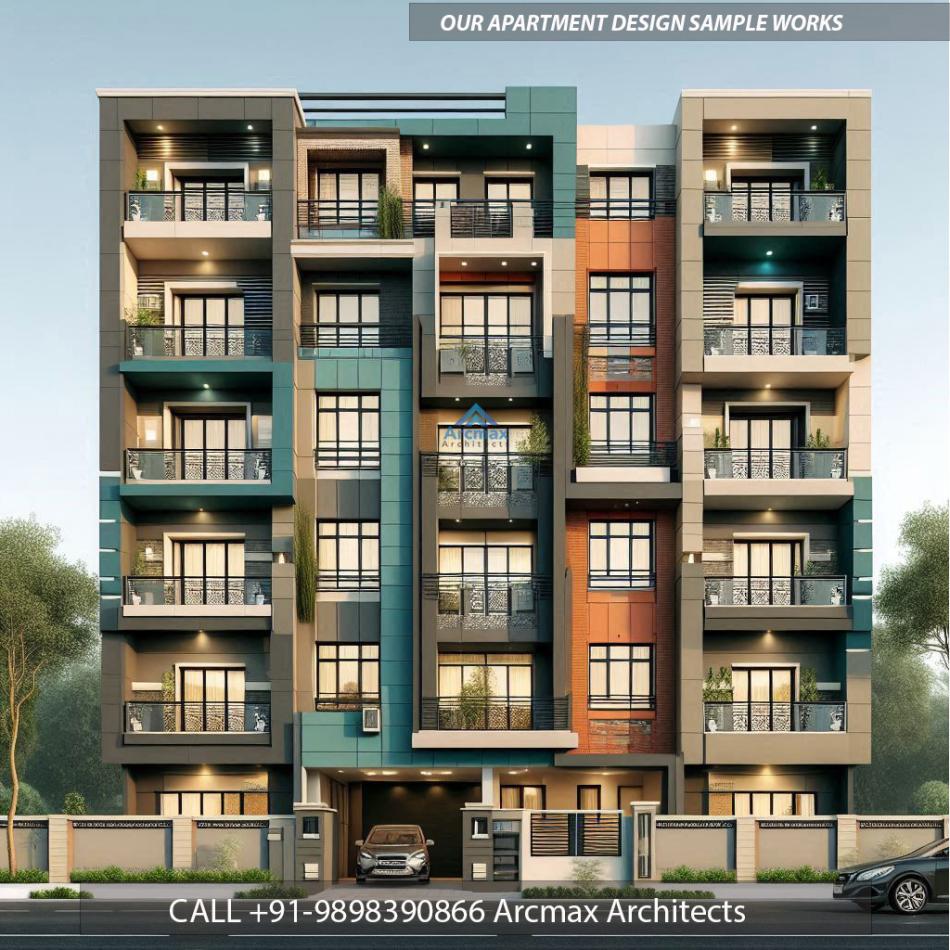
Designing residential and commercial spaces.
Integrating sustainability and smart technologies.
Preparing detailed 2D and 3D CAD drawings.
Coordinating with engineers, landscape designers, and government authorities.
Leading firms like Arcmax Architects & Planners specialize in township design and smart city planning, offering a combination of creativity, sustainability, and global standards.
Future of Integrated Townships in India:
The future of township planning is being shaped by global trends and local needs. Some key developments include:
Net-Zero Townships – communities powered entirely by renewable energy.
Transit-Oriented Townships – designed around metro and rail corridors.
Vertical Smart Cities – skyscraper communities with integrated living and workspaces.
AI-Powered Townships – digital platforms for facility management, security, and resident engagement.
Eco-Sensitive Designs – preserving natural landscapes and promoting biodiversity.
As India urbanizes further, integrated townships will be the backbone of sustainable city growth.
Integrated township design and planning is more than just real estate development—it is about creating holistic, sustainable, and future-ready communities. By integrating residential, commercial, institutional, and recreational facilities, these townships redefine modern urban living.
With cities like Delhi, Mumbai, Chennai, Hyderabad, Bangalore, and Nagpur witnessing rapid growth, the demand for well-planned, technology-enabled, and eco-friendly townships will continue to rise.
Expert architects and planners, particularly firms like Arcmax Architects & Planners, play a pivotal role in ensuring these townships are not only aesthetic and functional but also sustainable and globally competitive.
If you are a developer, investor, or government agency exploring integrated township planning, this is the right time to collaborate with India’s leading township architects to shape the communities of tomorrow.
Call +91-9898390866 or visit arcmaxarchitect.com to start your journey toward building a world-class integrated township.
Click To see images in full width




Want a Quotation please fill the form
 Subscribe Our whatsapp Channel to View Our Latest Design Projects