Bakeri City, Pincode: 380015 Ahmedabad, Gujarat, India,
244 Madison Avenue, New York, United States


Our Client







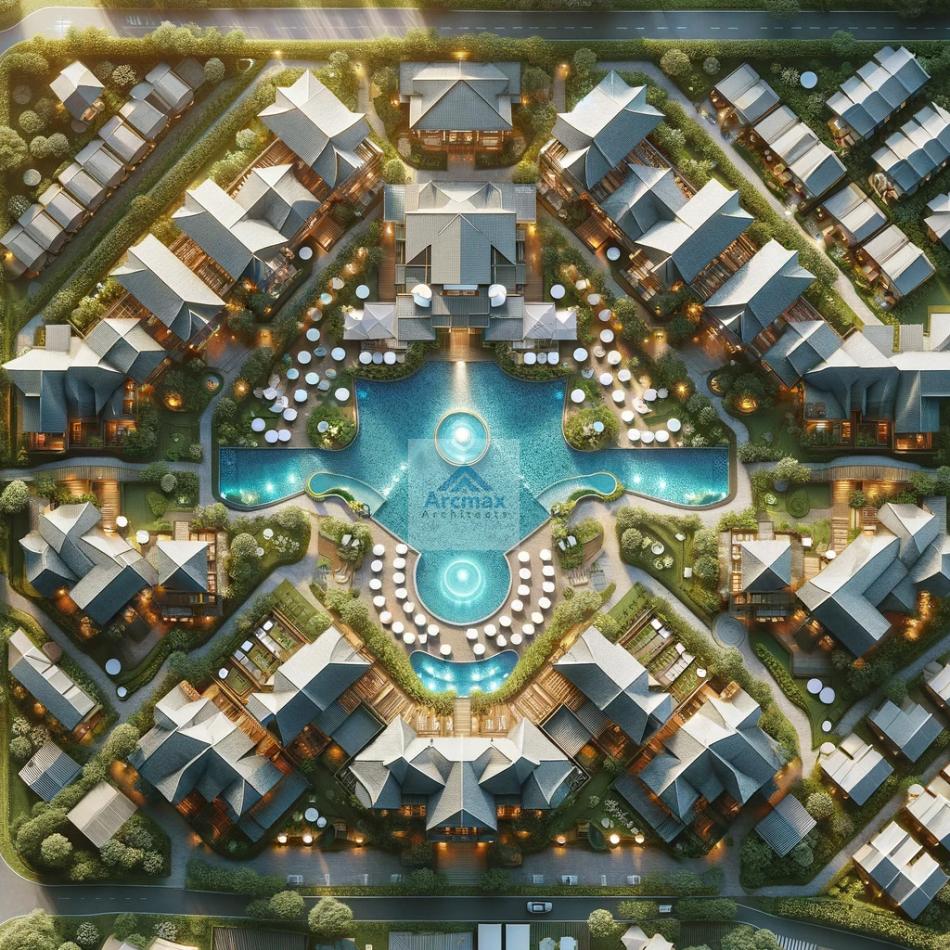
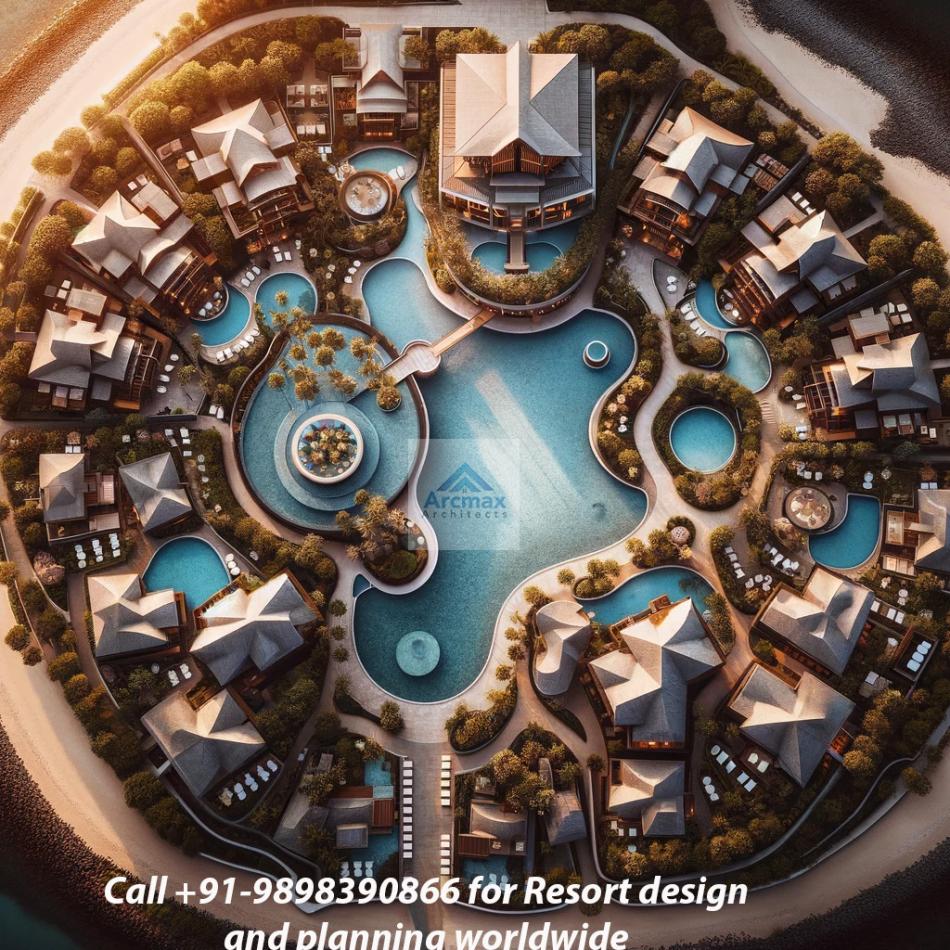
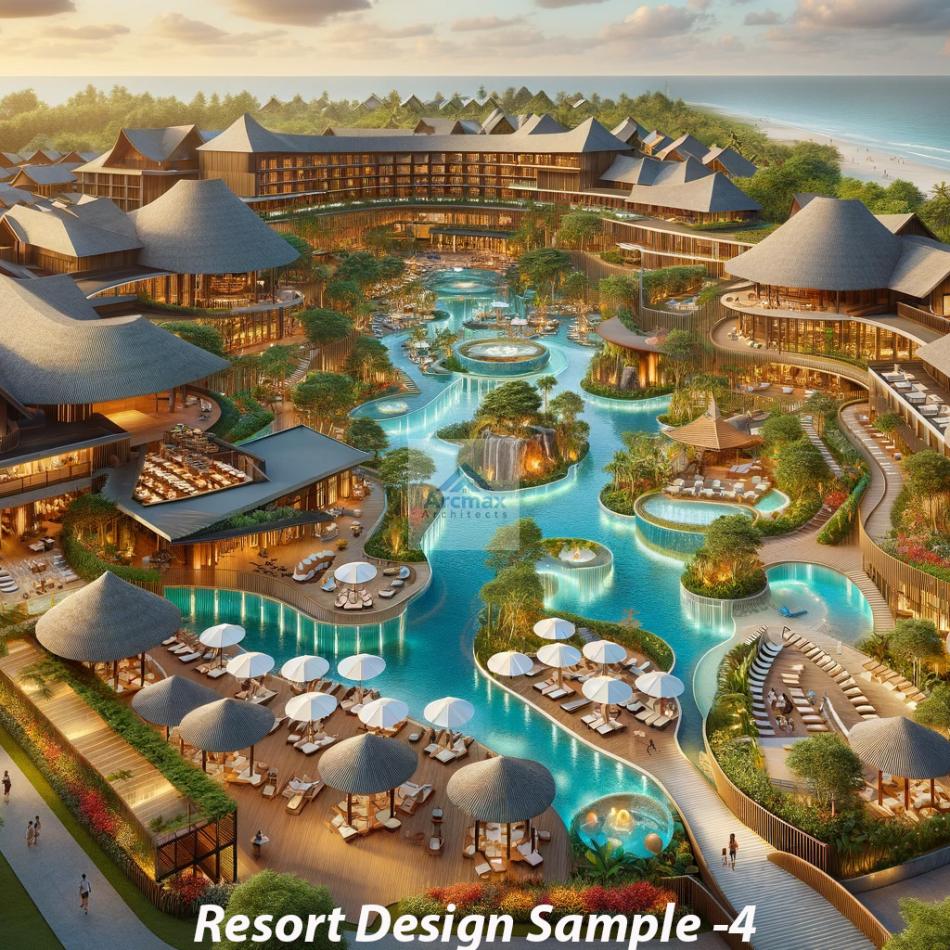


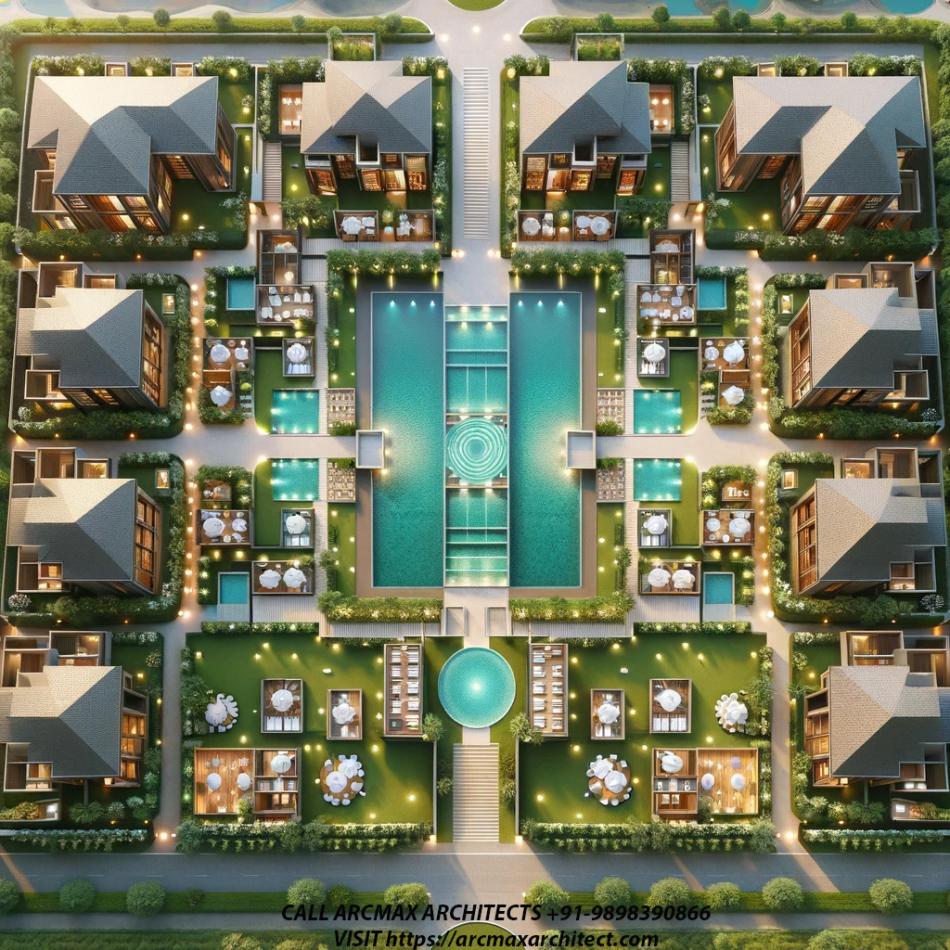


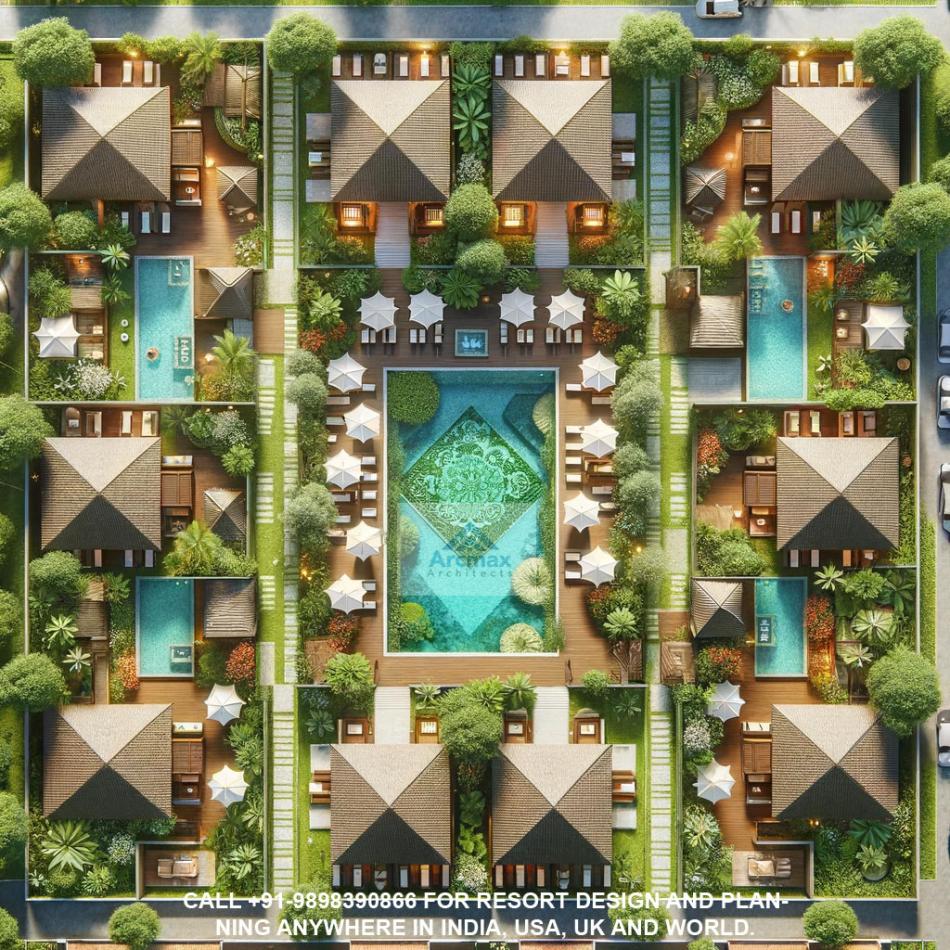


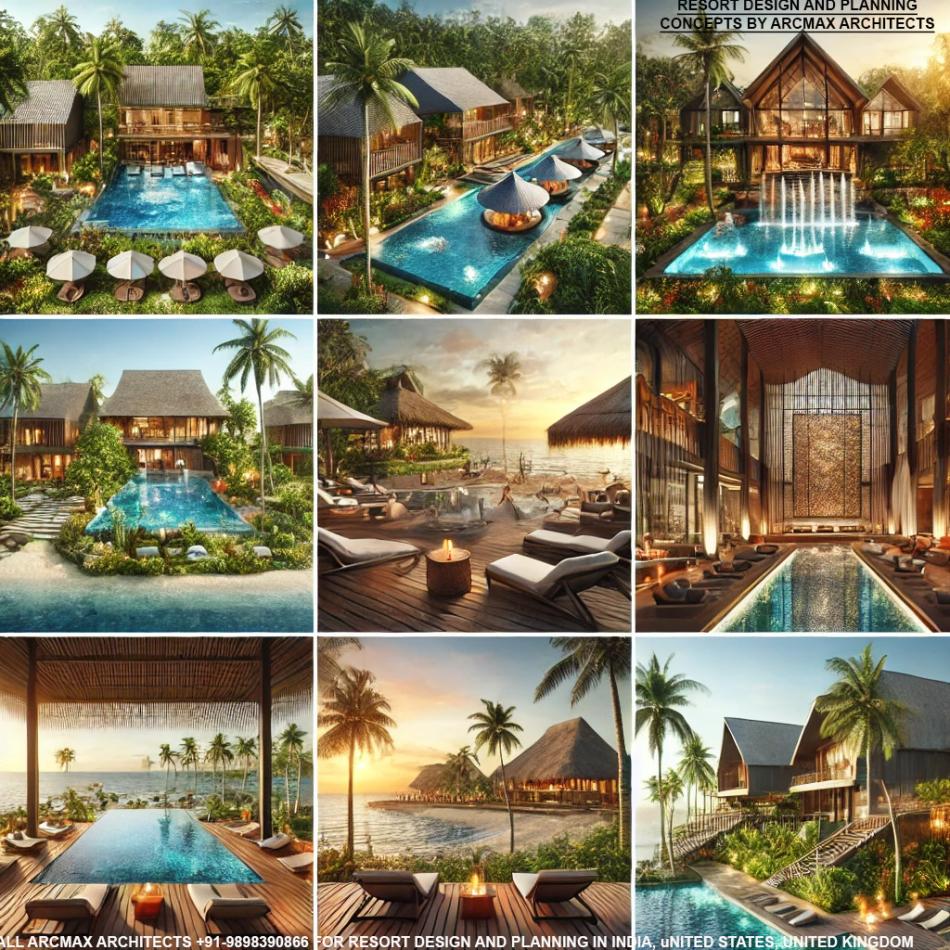


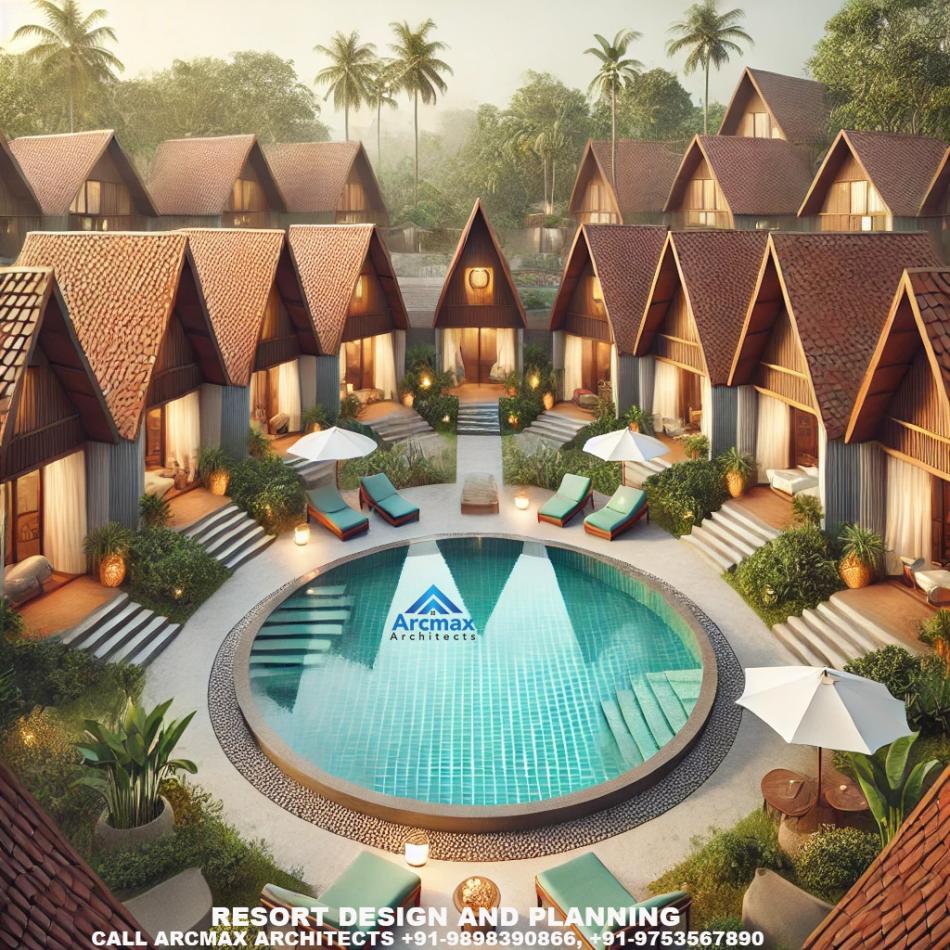
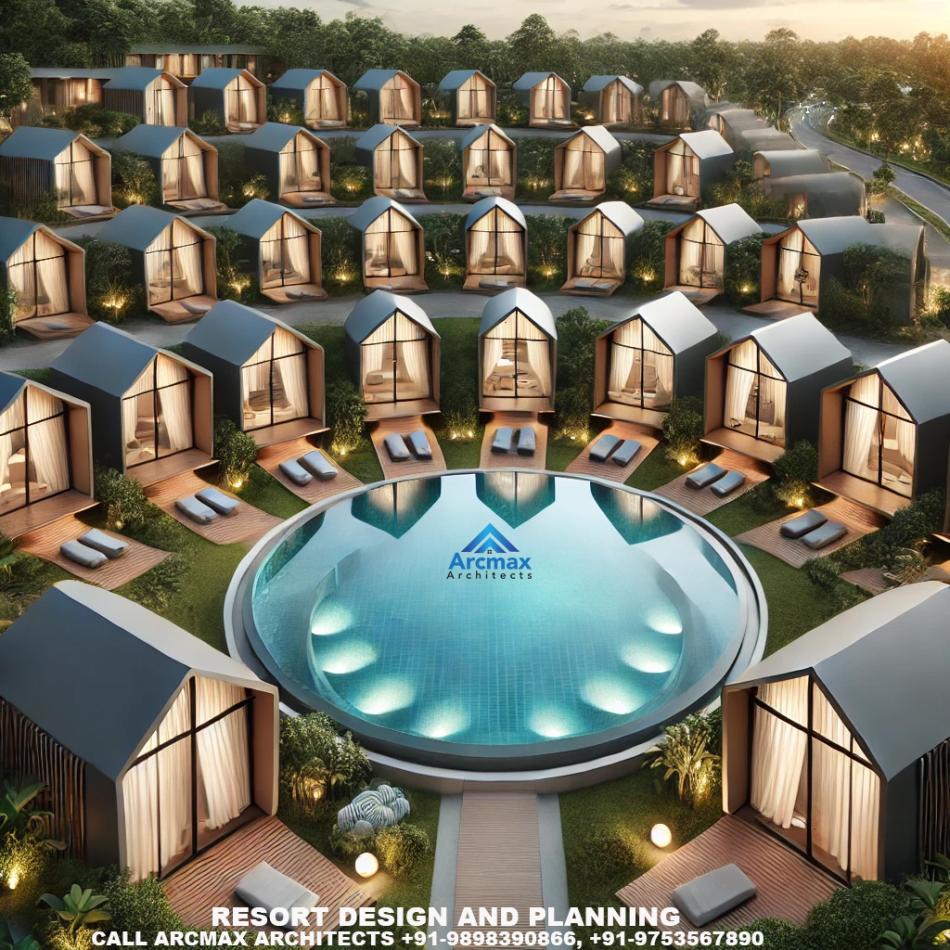


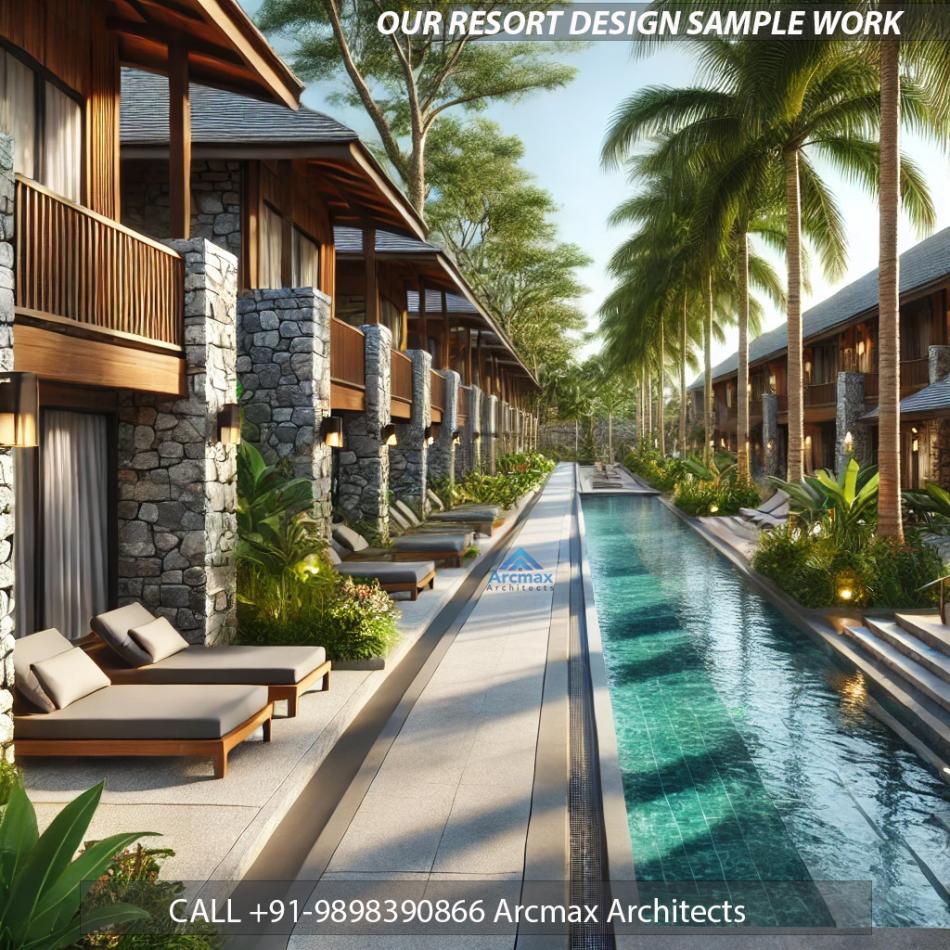
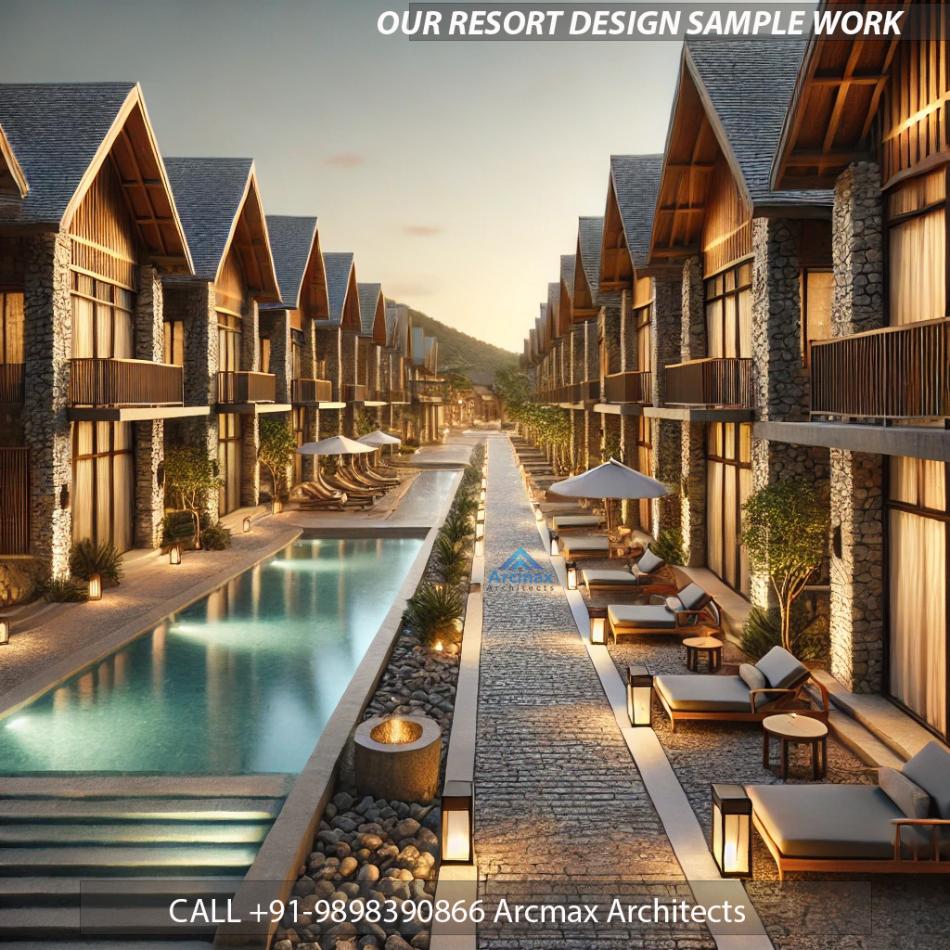
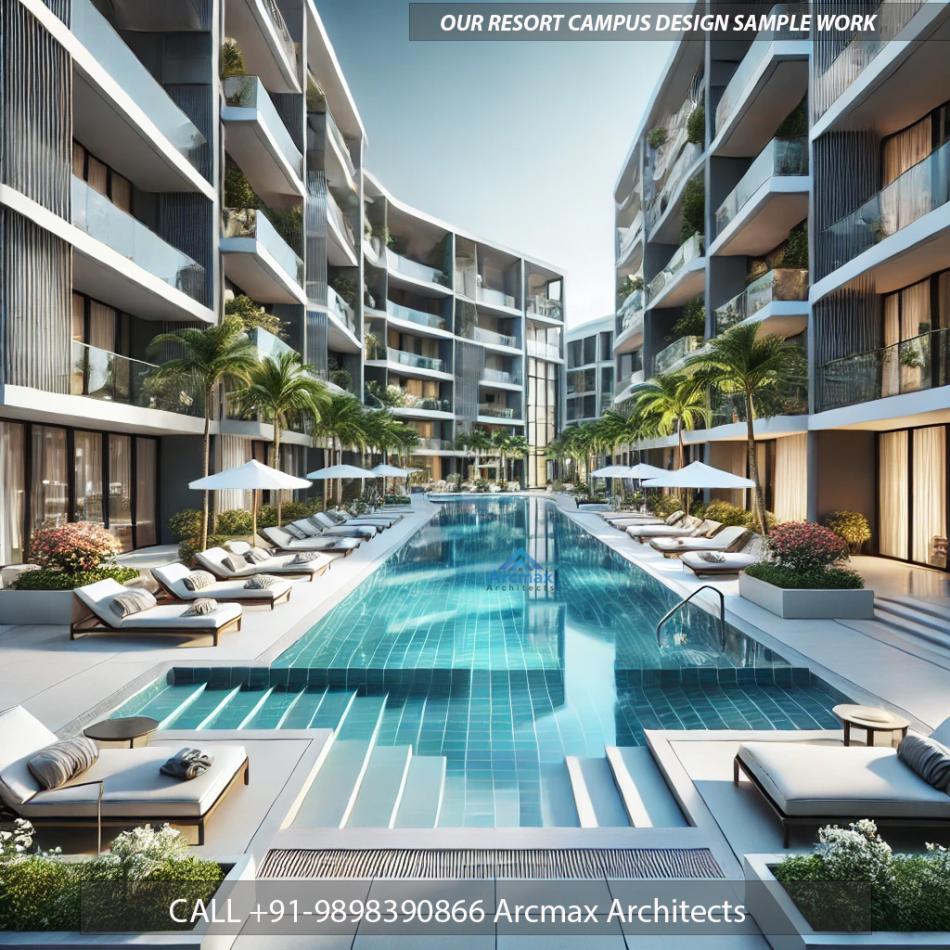


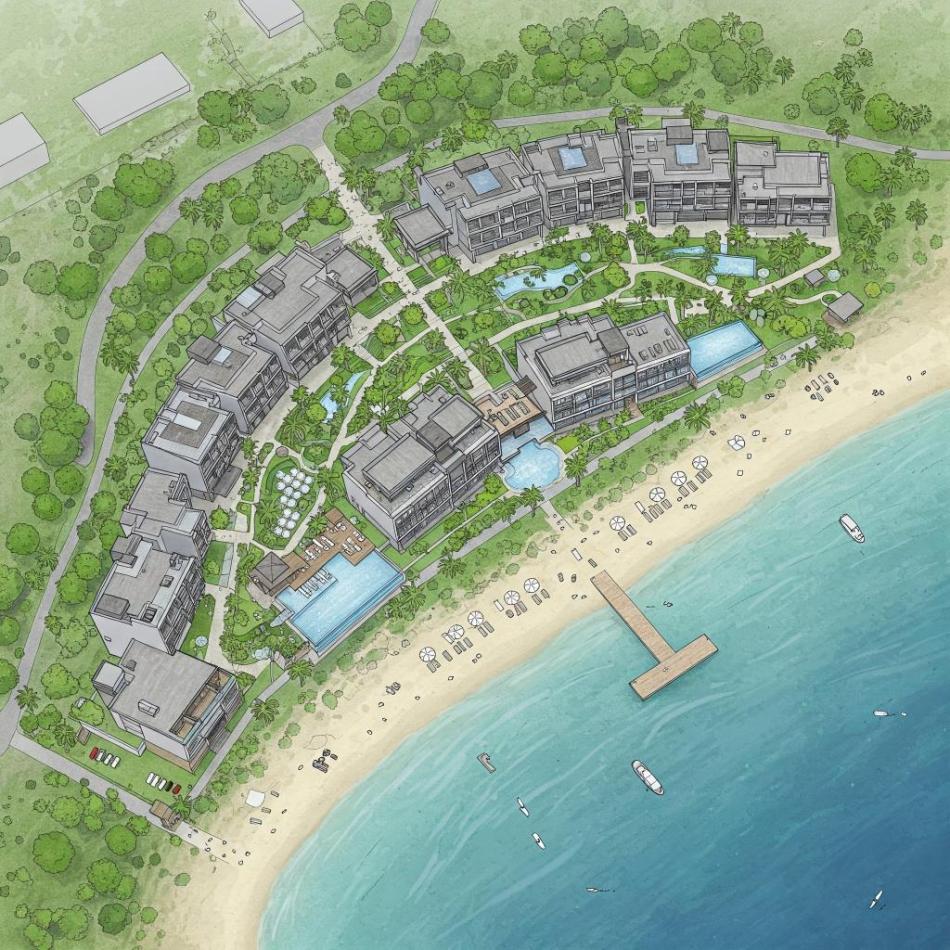



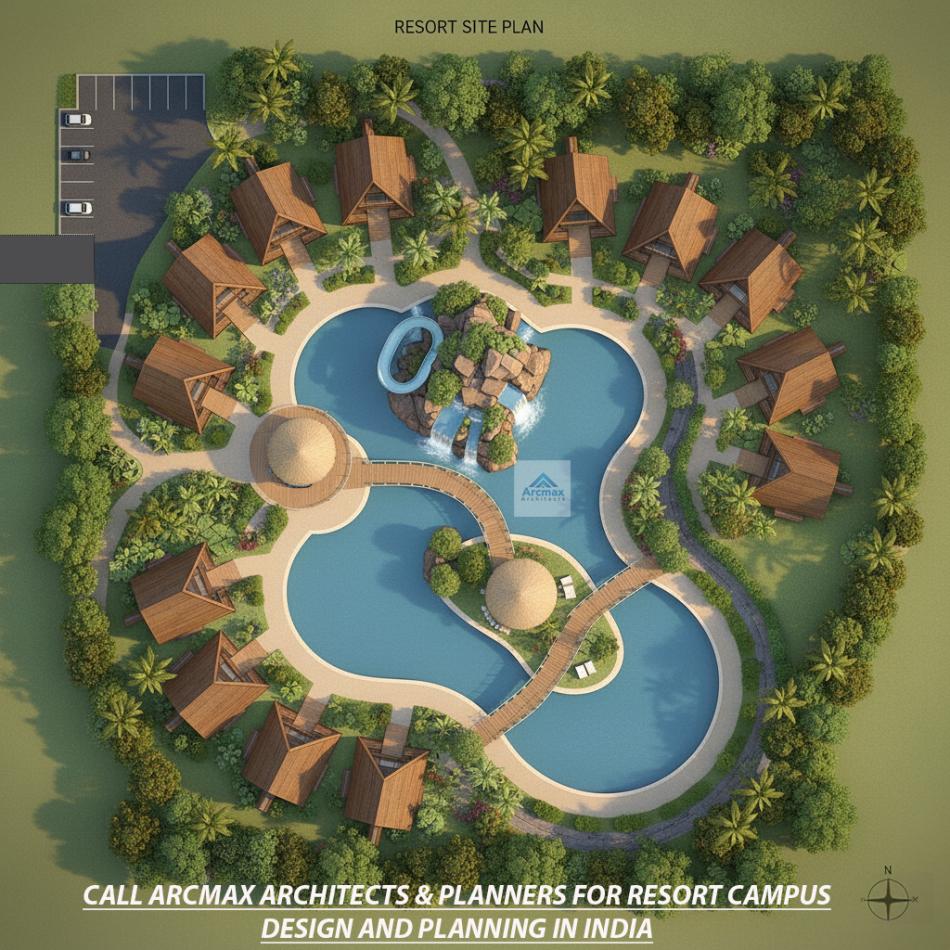
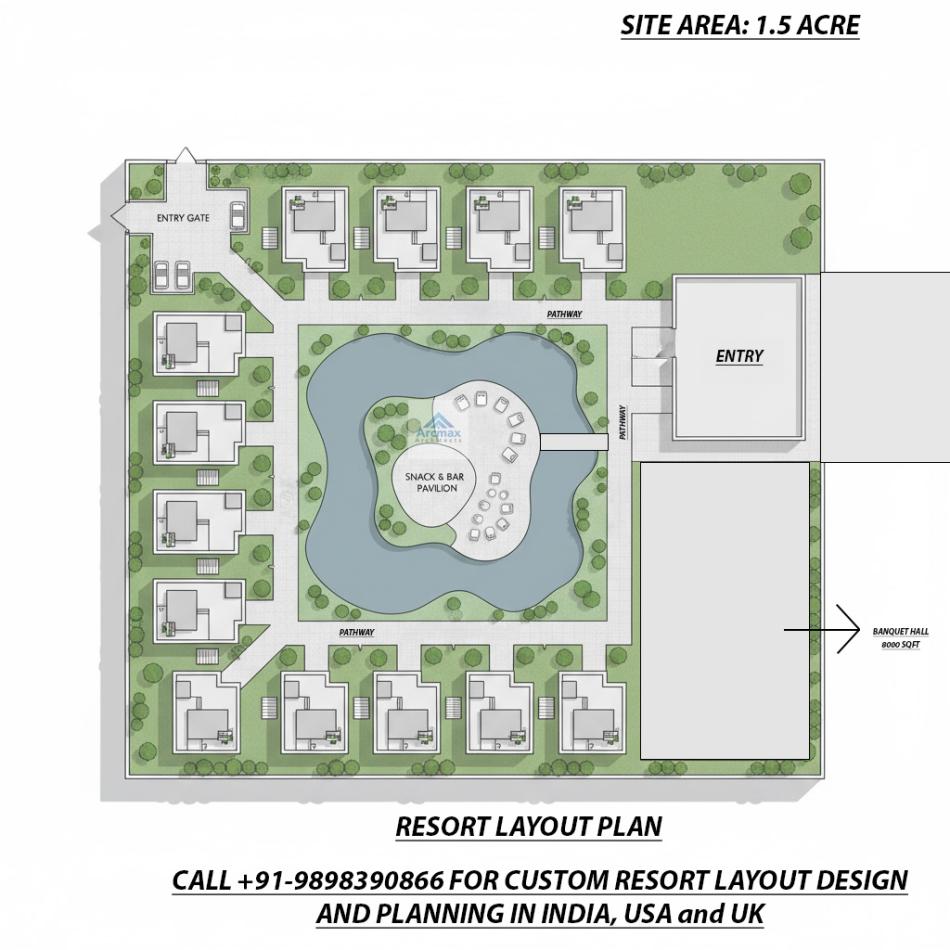
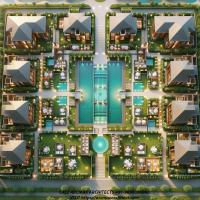
Resort Layout Design
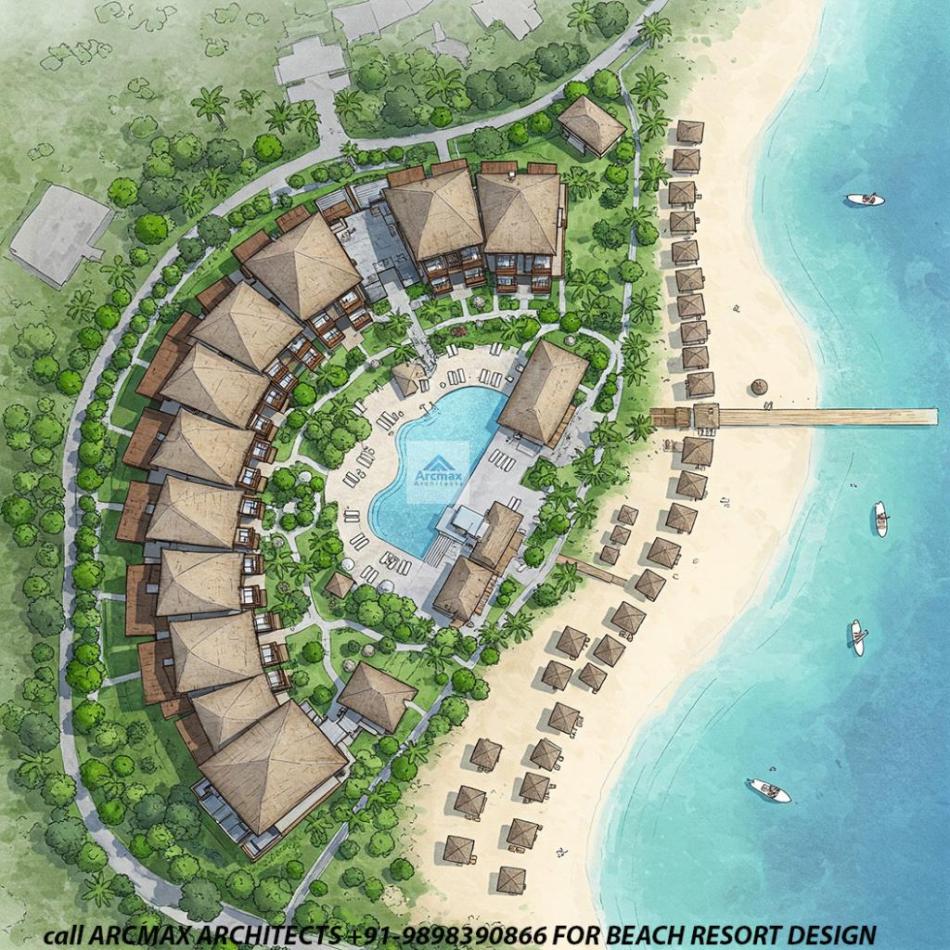
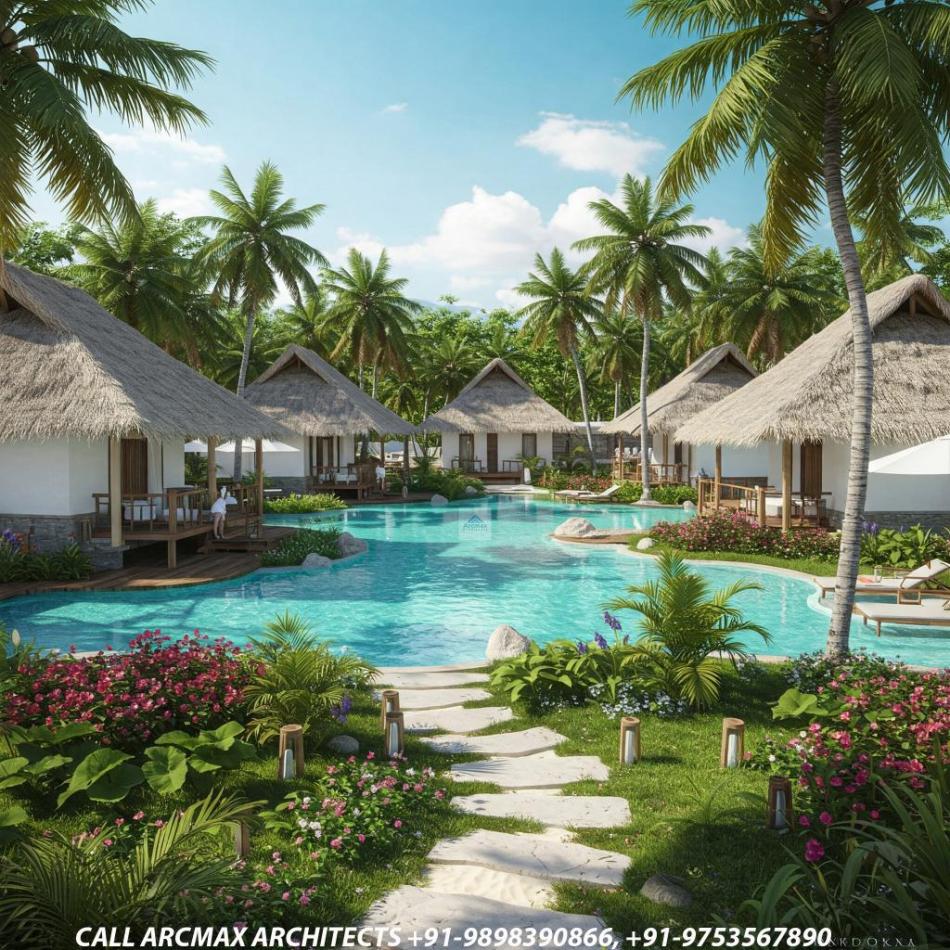
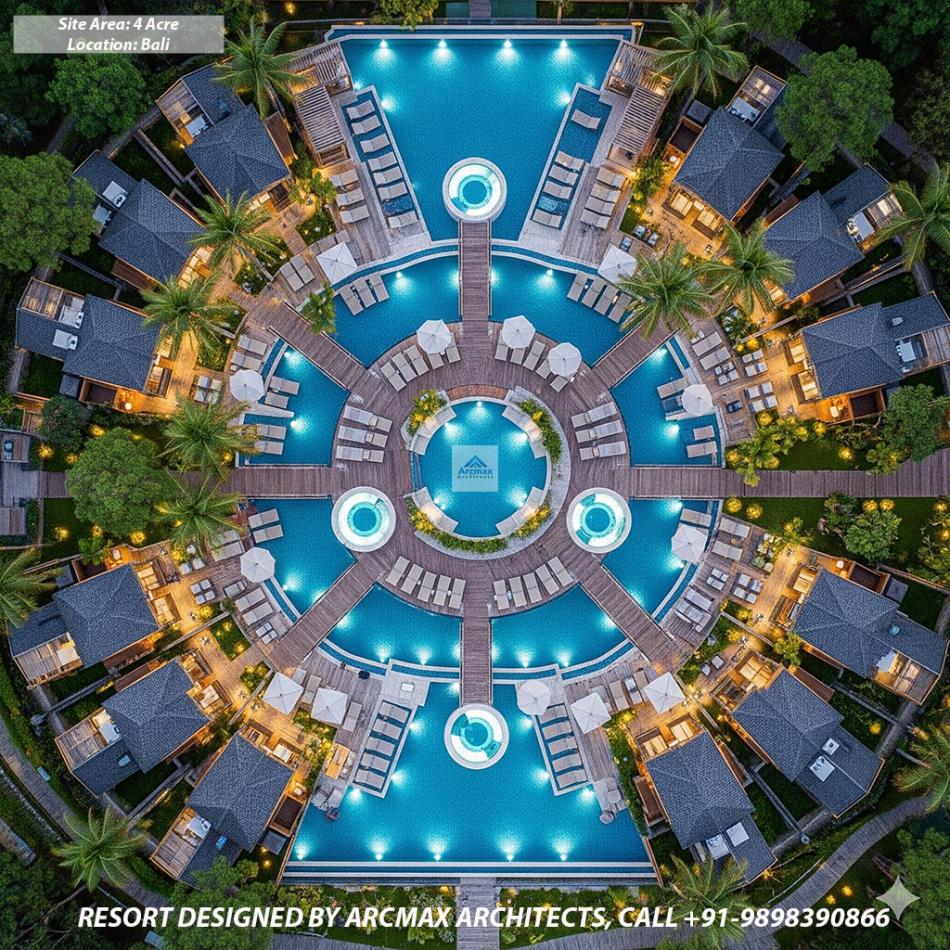
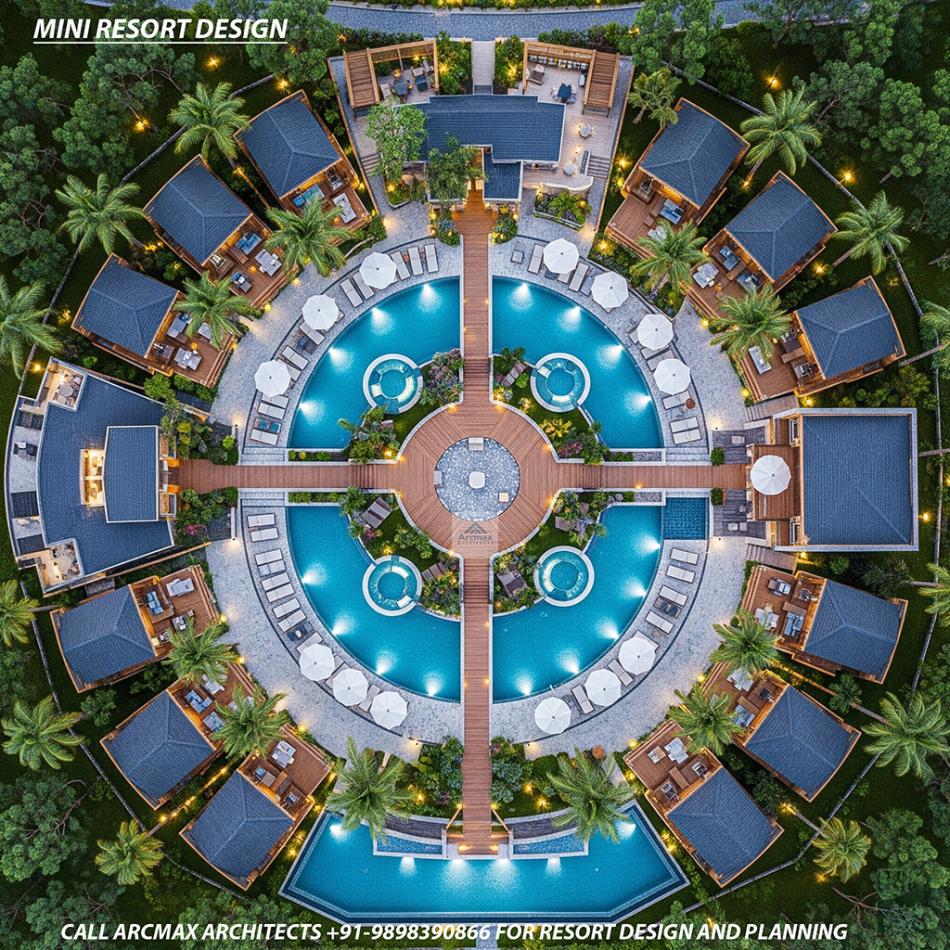
Resort Layout Design: By Arcmax Architects and planners, call +91-9898390866 or +91-9753567890 for Resort design and planning anywhere in India, USA and UK.
Resort Layout Design – Optimized Masterplans
Designing a resort is not just about creating beautiful villas and luxurious pools—it is about strategic planning, zoning, and space optimization that ensures maximum guest satisfaction and strong returns on investment (ROI). At Arcmax Architects, we specialize in resort layout design and master planning that balances aesthetics, functionality, and commercial value. With years of expertise in hospitality planning, we deliver customized layouts that bring together architecture, landscape, and user experience in harmony.
Importance of Resort Layout Design
A resort layout goes far beyond simple drawings. It is the blueprint of success, determining how guests move across the property, how villas are oriented to capture stunning views, and how support services are positioned for smooth operations. A well-thought-out resort masterplan enhances the comfort of visitors while ensuring efficient management for operators. The right zoning plan ensures that every square foot of land adds value—whether through guest experiences or operational efficiency.
Key Elements of an Optimized Resort Masterplan
Villa Zoning and Orientation – Villas must be placed to capture the best natural views—whether it’s the ocean, mountains, or landscaped gardens. Proper spacing ensures privacy while maintaining scenic sightlines.
Pool and Recreational Areas – Pools, spas, and wellness centers are central attractions in a resort. Our designs ensure these spaces are accessible, safe, and positioned to maximize both beauty and convenience.
Back-of-House (BOH) Facilities – A successful resort requires seamless operations. Our layouts integrate BOH areas like kitchens, staff quarters, and storage facilities in a discreet yet efficient manner to support guest services without disrupting the ambiance.
Parking and Circulation – Smooth vehicular and pedestrian circulation is crucial. Parking zones are carefully planned to be convenient yet unobtrusive, ensuring guests enjoy a clutter-free environment.
Sustainable Integration – From rainwater harvesting to solar energy use, our resort masterplans embrace eco-friendly solutions that reduce operational costs and attract sustainability-conscious travelers.
Why Choose Arcmax Architects for Resort Layouts?
At Arcmax Architects, our approach is client-focused and ROI-driven. We understand that every resort has unique site conditions, target audiences, and budget requirements. Our team provides:
Custom Resort Layout Designs tailored to your land parcel and vision
3D Masterplan Presentations for easy visualization and investor approvals
Expert Zoning Strategies that balance luxury, privacy, and revenue potential
Hospitality Planning Expertise across resorts, boutique hotels, and luxury retreats worldwide
Whether you are developing a luxury beachfront resort, a wellness retreat in the mountains, or an urban hospitality project, we design layouts that create unforgettable guest experiences while maximizing your return on investment.
A thoughtfully designed resort layout and zoning plan is the foundation of a profitable hospitality project. By combining innovative architecture with efficient planning, Arcmax Architects delivers optimized resort masterplans that align with your business goals and delight your guests.
How to Create a Resort Layout Plan: Essential Design Principles for Architects & Developers:
Designing a resort is a complex yet rewarding process that blends creativity, functionality, and market strategy. A well-planned resort layout not only enhances guest experiences but also maximizes the return on investment for developers. For architects and planners, understanding the essential design principles is critical to creating layouts that balance luxury, comfort, and operational efficiency.
1. Site Analysis and Contextual Planning
The foundation of a successful resort layout begins with thorough site analysis. Factors such as topography, climate, natural vegetation, and surrounding views must be carefully evaluated. Resorts are often built in scenic locations—beaches, hills, forests, or lakesides—so architects must orient villas, cottages, and public areas to capture the best views and natural breezes. Developers should also consider local culture and context to ensure the design feels authentic and appealing to travelers.
2. Zoning for Functionality
A resort layout plan must integrate clear zoning for public, semi-private, and private spaces. Reception and lobby areas should be welcoming and accessible, while guest rooms or villas should provide privacy and tranquility. Recreational zones like swimming pools, spas, and restaurants must be conveniently located yet separated enough to avoid disturbing residential areas. Back-of-house (BOH) operations—including staff quarters, service roads, and storage areas—should remain hidden from guests but designed for efficient movement and management.
3. Circulation and Guest Flow
Ease of circulation is vital for guest comfort. Pathways, internal roads, and access routes should be designed to create smooth transitions from arrival to accommodation and recreational facilities. Resorts often feature landscaped pathways, shaded walkways, and buggy tracks for eco-friendly mobility. Developers must ensure that circulation networks are intuitive, safe, and enhance the overall experience of exploration within the campus.
4. Landscape and Open Spaces
Green spaces are the heart of any resort. Gardens, lawns, courtyards, and water features create a sense of relaxation and visual appeal. Architects should integrate sustainable landscaping practices, such as using native plants, rainwater harvesting, and energy-efficient lighting. Landscaped areas should not only beautify but also support activities like outdoor dining, events, and wellness retreats.
5. Sustainability and Eco-Friendliness
Modern travelers increasingly value eco-sensitive resorts. Sustainable principles like energy-efficient building materials, solar energy systems, waste recycling, and low-impact construction methods should be embedded in the design. Resorts planned with eco-friendly features not only reduce long-term operational costs but also improve marketability among eco-conscious guests.
6. Flexibility and Future Expansion
A good resort layout plan allows for scalability. Developers should anticipate future demand for additional villas, restaurants, or entertainment zones. Keeping provisions for expansion ensures that the resort can grow with market trends without disrupting the original design.
Creating a resort layout plan requires a thoughtful blend of design creativity and strategic planning. By focusing on site context, zoning, circulation, landscaping, sustainability, and flexibility, architects and developers can deliver resorts that attract guests, provide memorable experiences, and generate profitable returns. For professional resort master planning, it’s always advisable to collaborate with experienced architects who understand both hospitality design trends and operational realities.
Key Elements of an Effective Resort Master Plan: Villas, Cottages, Pools & Landscapes:
Designing a resort is a fine balance of creativity, functionality, and profitability. A well-prepared resort master plan is the backbone of any successful hospitality project. It ensures that every component—from villas and cottages to pools and landscaped areas—works together seamlessly to provide guests with an unforgettable experience while maximizing the developer’s return on investment (ROI).
At Arcmax Architects, we specialize in resort layout planning and hospitality design that combines luxury, comfort, and sustainability. Below are the key elements of an effective resort master plan.
1. Villas and Cottages
Villas and cottages form the heart of a resort. Their placement, orientation, and design greatly influence guest satisfaction. Villas should be strategically positioned to capture breathtaking views of the ocean, mountains, or landscaped gardens while maintaining privacy between units. Cottages, often designed with a cozy and intimate feel, cater to families and honeymooners seeking exclusivity.
In an effective master plan, these accommodations must be connected through well-planned pedestrian pathways and landscaping, ensuring guests enjoy both accessibility and tranquility. The architecture should reflect local culture while incorporating modern amenities to appeal to global travelers.
2. Swimming Pools and Recreational Spaces
The pool zone is often the centerpiece of a resort, serving as both a visual and functional highlight. Pools should be designed with distinct zones such as children’s pools, infinity pools, and spa areas, all positioned for maximum exposure to natural light and scenic backdrops.
Recreational areas like fitness centers, yoga decks, or water sports facilities should complement the pool space, offering a complete wellness experience. The integration of cafes or poolside bars further enhances guest interaction and revenue opportunities.
3. Landscaped Areas and Open Spaces
A resort without thoughtfully designed landscapes feels incomplete. Landscaped gardens, water features, and walking trails create a calming environment that connects guests with nature. Green spaces not only improve the aesthetics but also promote sustainability by reducing heat, supporting biodiversity, and providing natural cooling.
Effective landscape design should include shaded seating areas, meditation gardens, and scenic trails that encourage relaxation and recreation. Integrating native plants and eco-friendly irrigation systems makes landscapes cost-efficient and environmentally responsible.
4. Circulation and Zoning
An often-overlooked aspect of resort planning is zoning and circulation. A master plan must clearly separate guest areas from service and back-of-house (BOH) zones to maintain a seamless guest experience. Parking, staff housing, and kitchens should be easily accessible yet discreetly located to avoid disturbing the resort’s ambiance.
Smooth vehicular and pedestrian circulation ensures guests can move comfortably across the property without congestion. Wide, tree-lined pathways and clear signage enhance the user experience while contributing to the overall resort character.
An effective resort master plan integrates villas, cottages, pools, and landscapes into a cohesive, guest-friendly environment. It ensures that every design element—from accommodation to recreation and green spaces—is strategically placed to maximize comfort, privacy, and revenue.
At Arcmax Architects, we deliver custom resort masterplans that blend luxury, sustainability, and profitability. Whether it’s a beachfront retreat, mountain getaway, or urban resort, our designs ensure your project becomes a landmark destination.
Call us today at +91-9898390866 to discuss your resort project or visit https://arcmaxarchitect.com to explore our portfolio.
Click To see images in full width



Want a Quotation please fill the form
Click to see the video
 Subscribe Our whatsapp Channel to View Our Latest Design Projects