Bakeri City, Pincode: 380015 Ahmedabad, Gujarat, India,
244 Madison Avenue, New York, United States


Our Client





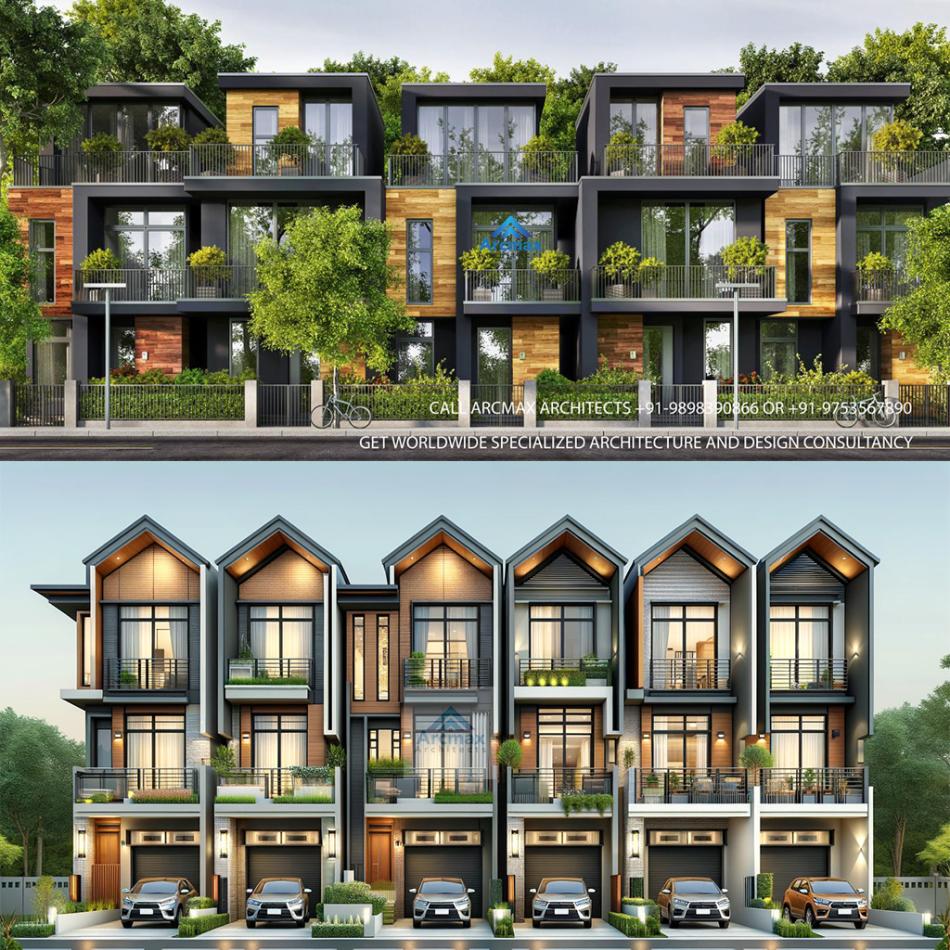
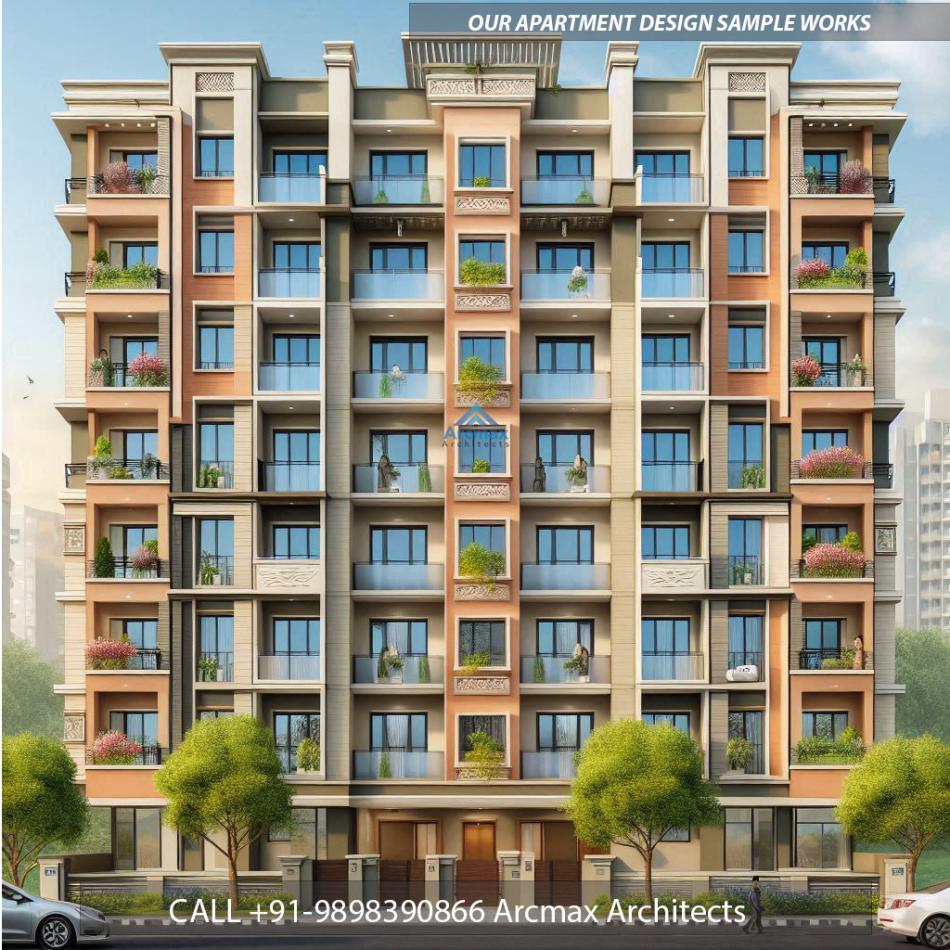
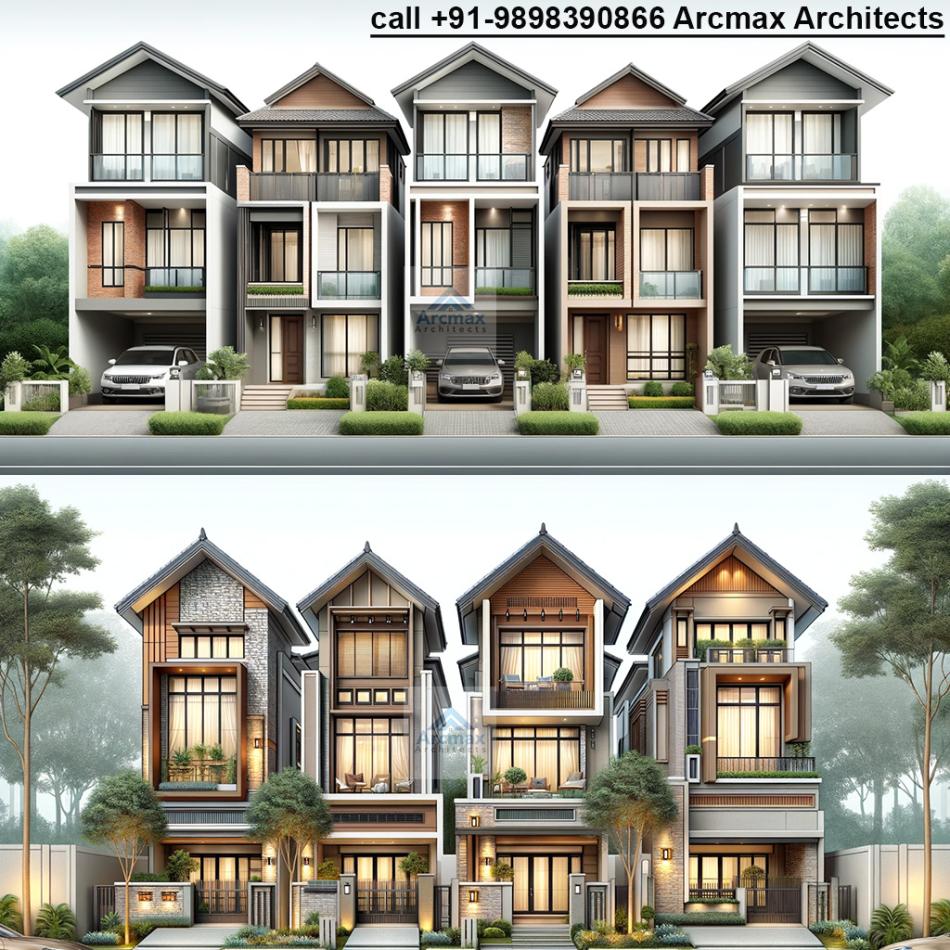
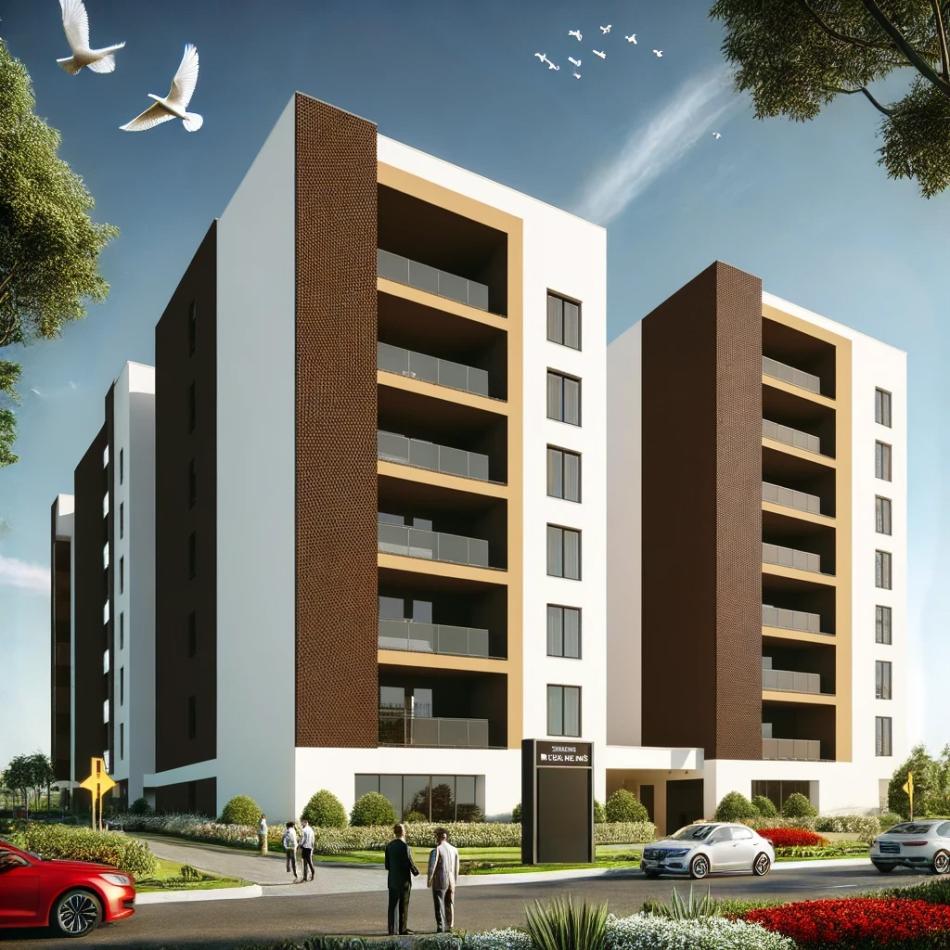
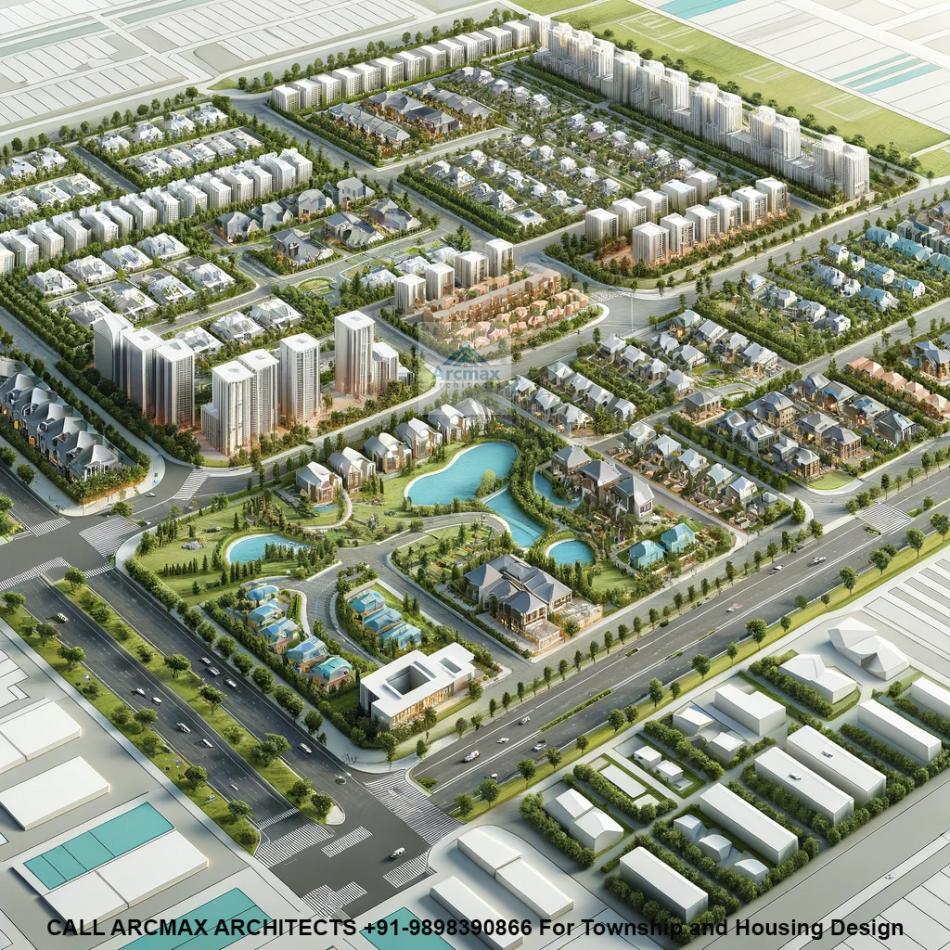
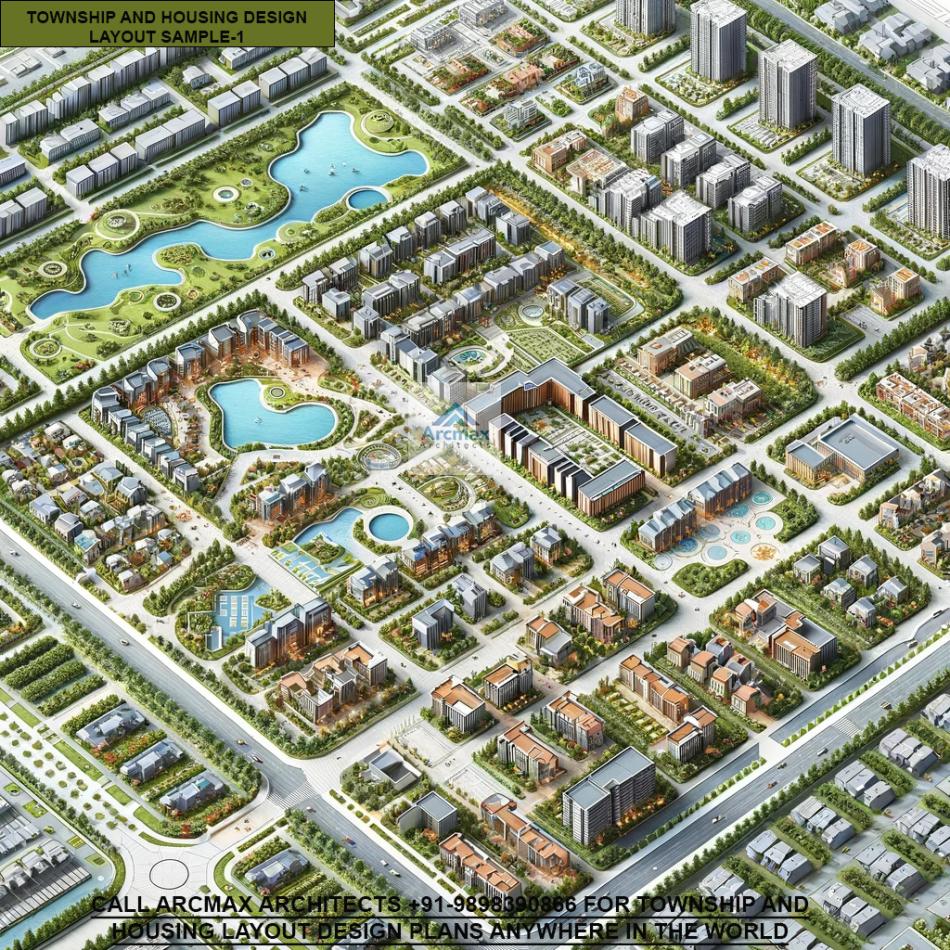
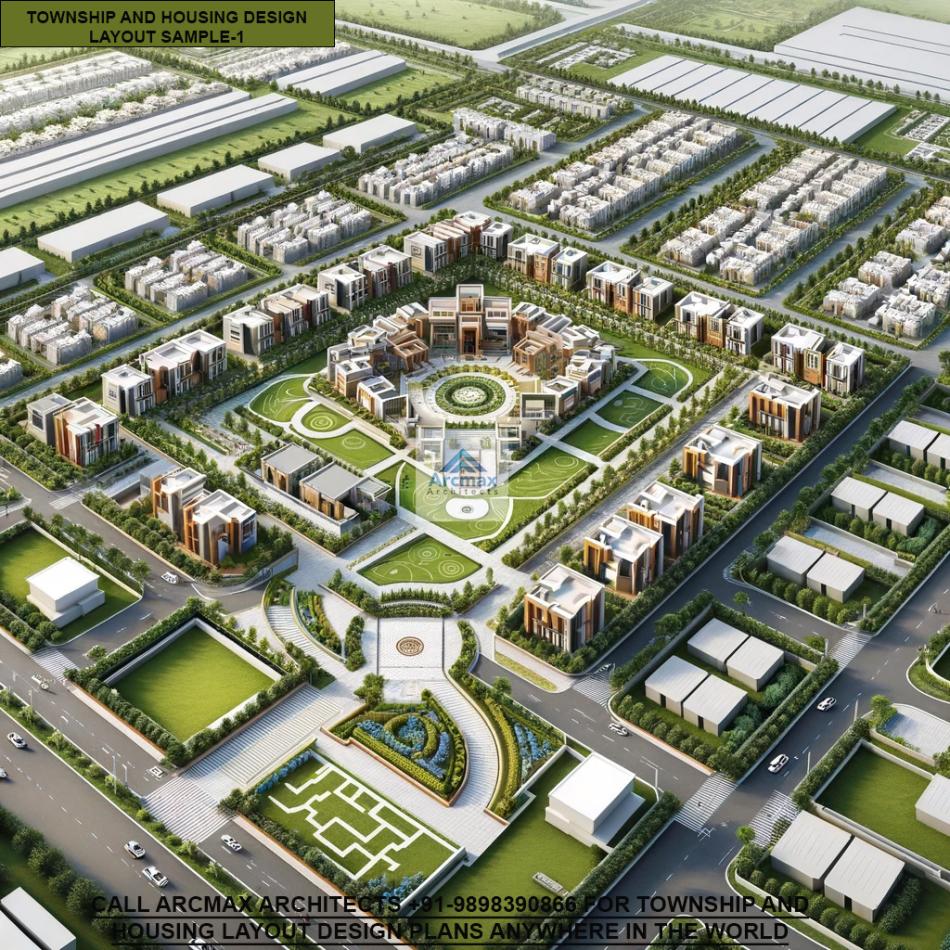

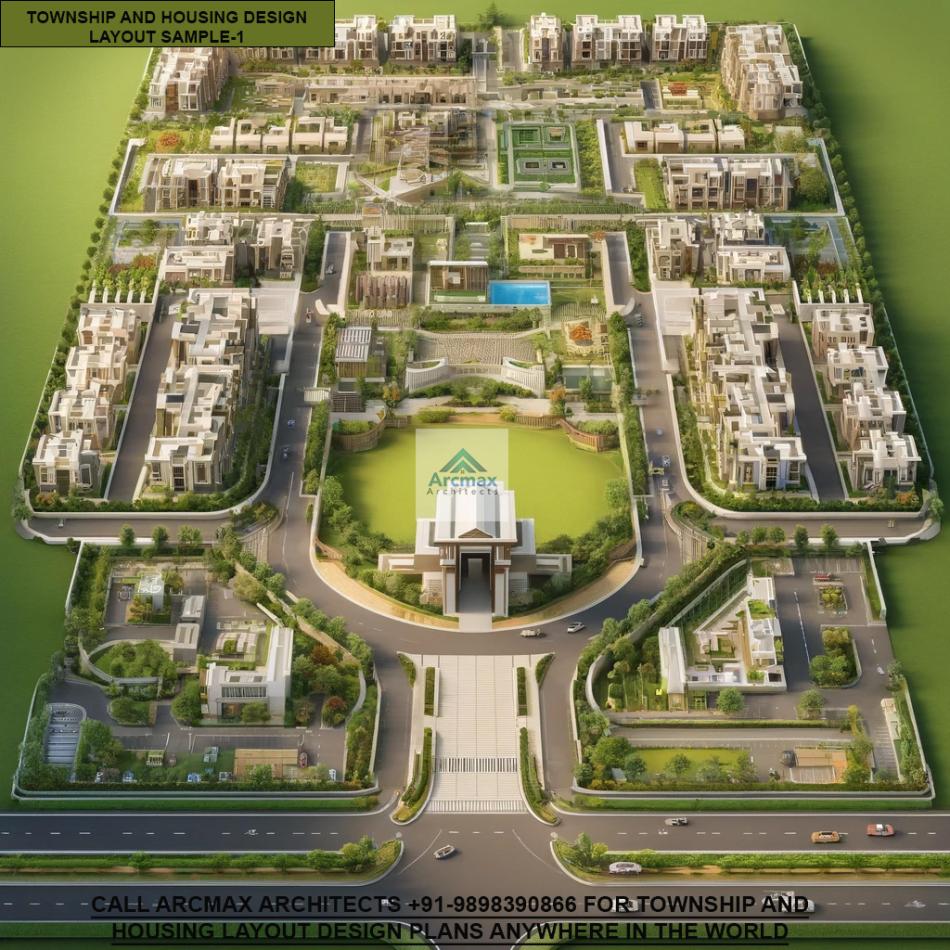
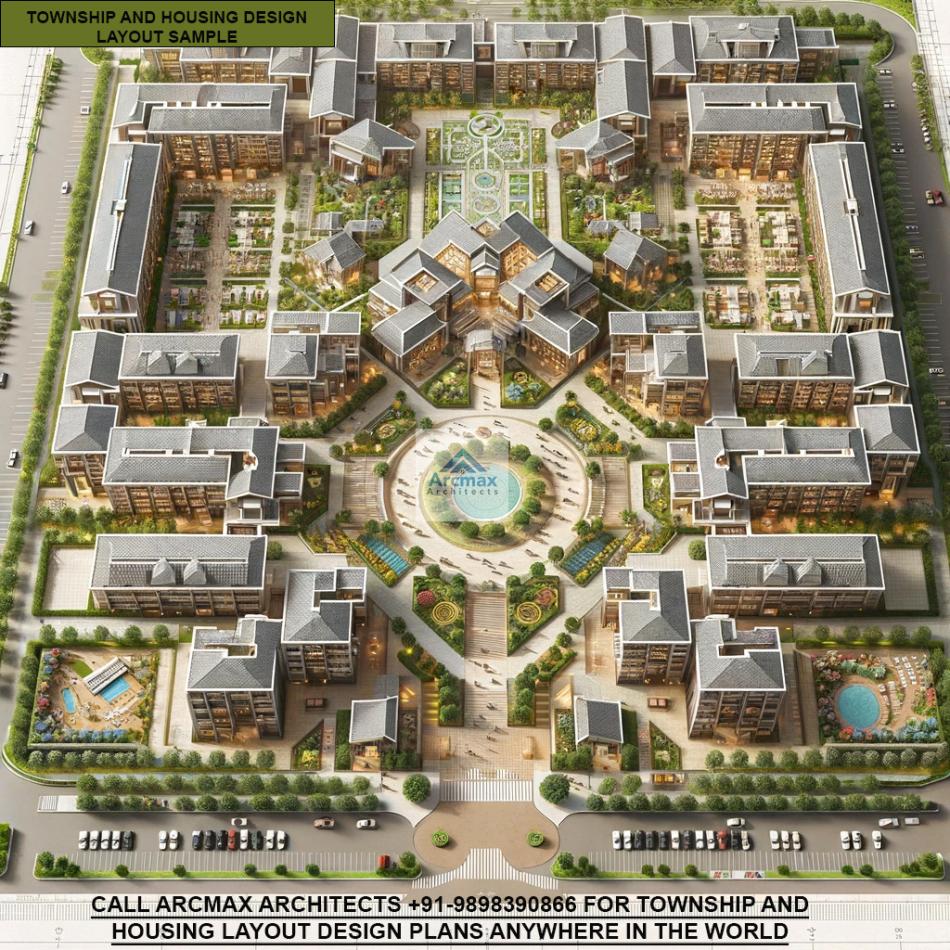
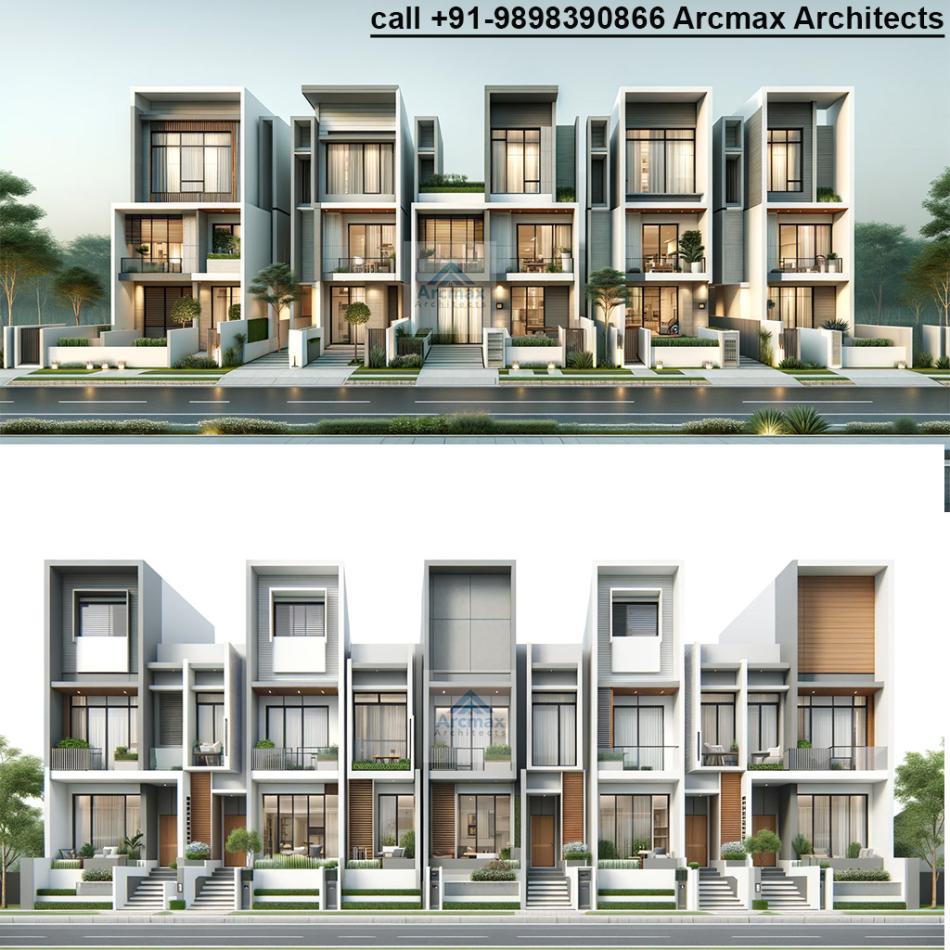
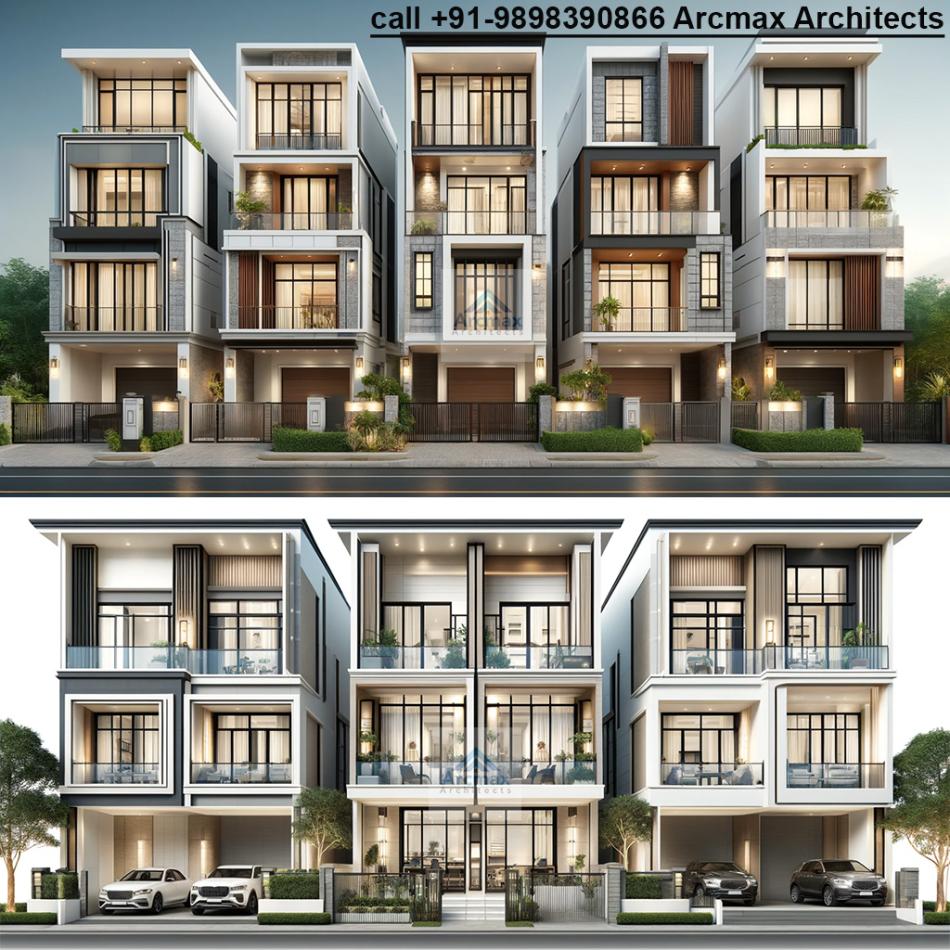
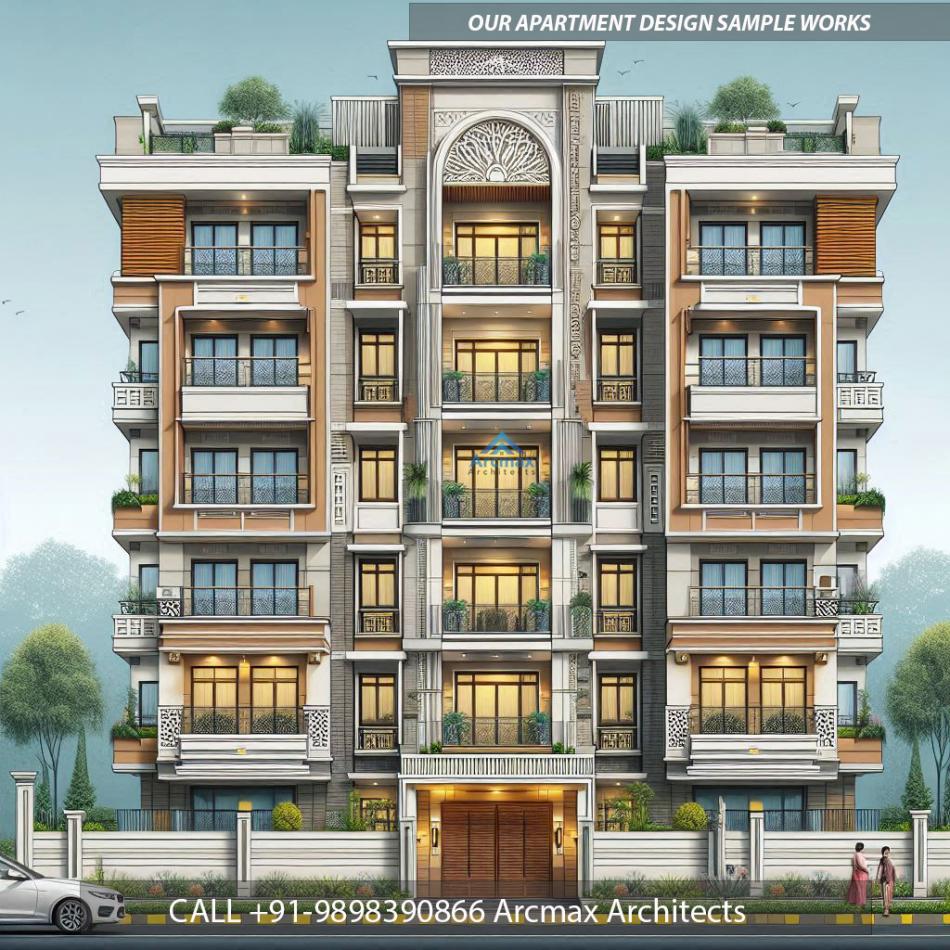
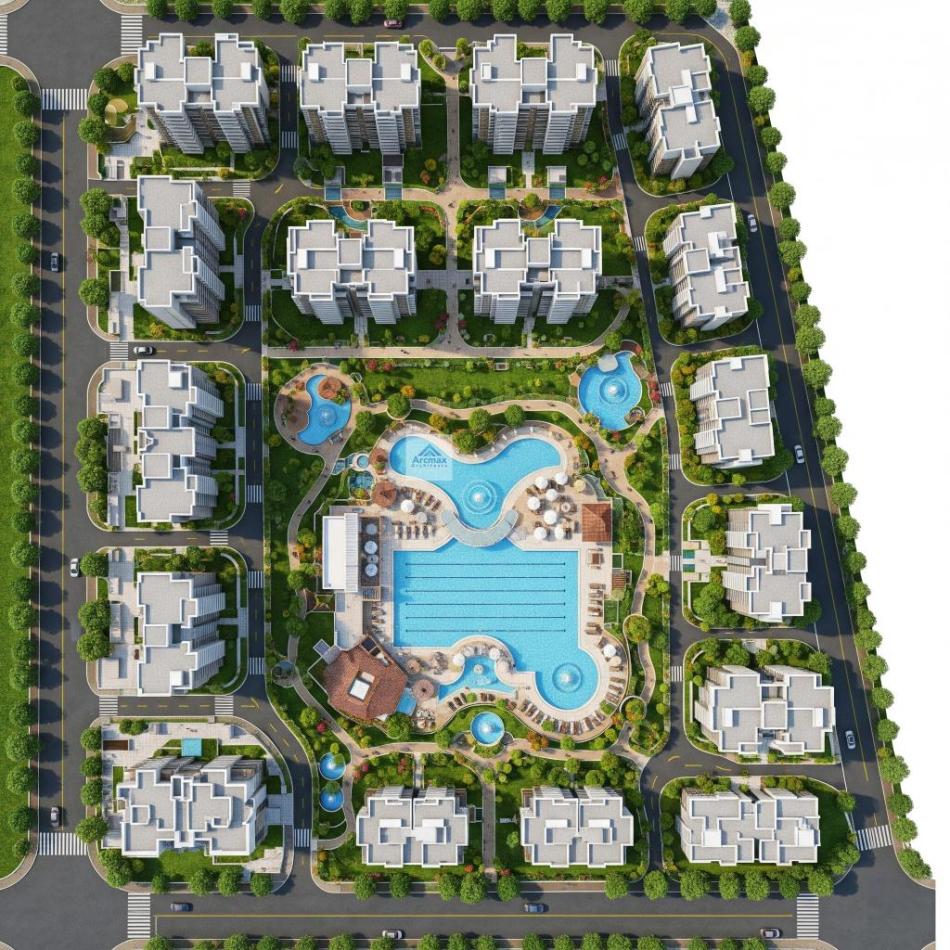
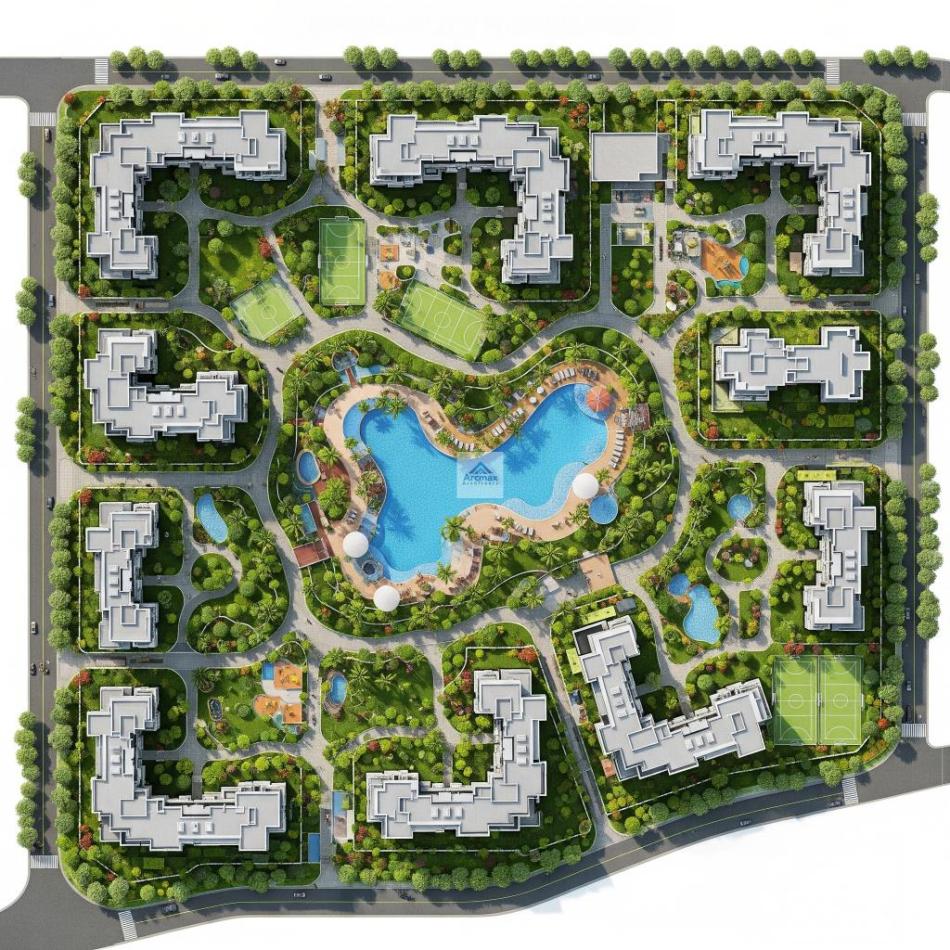
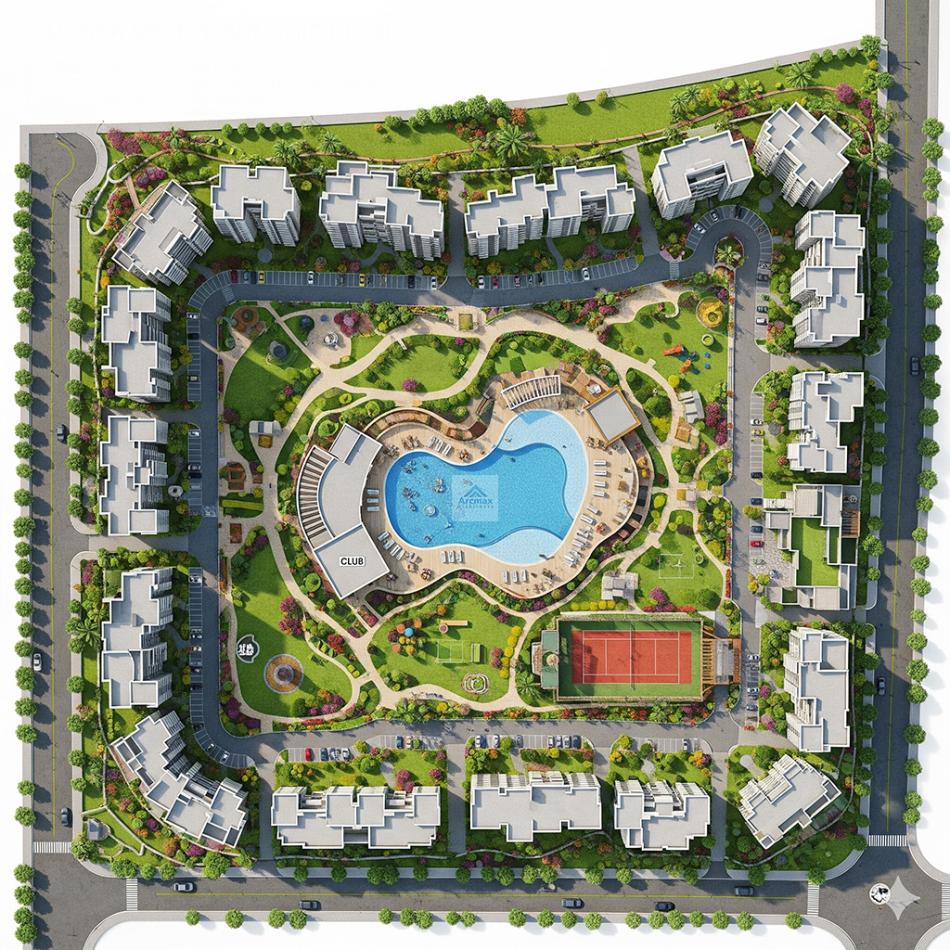
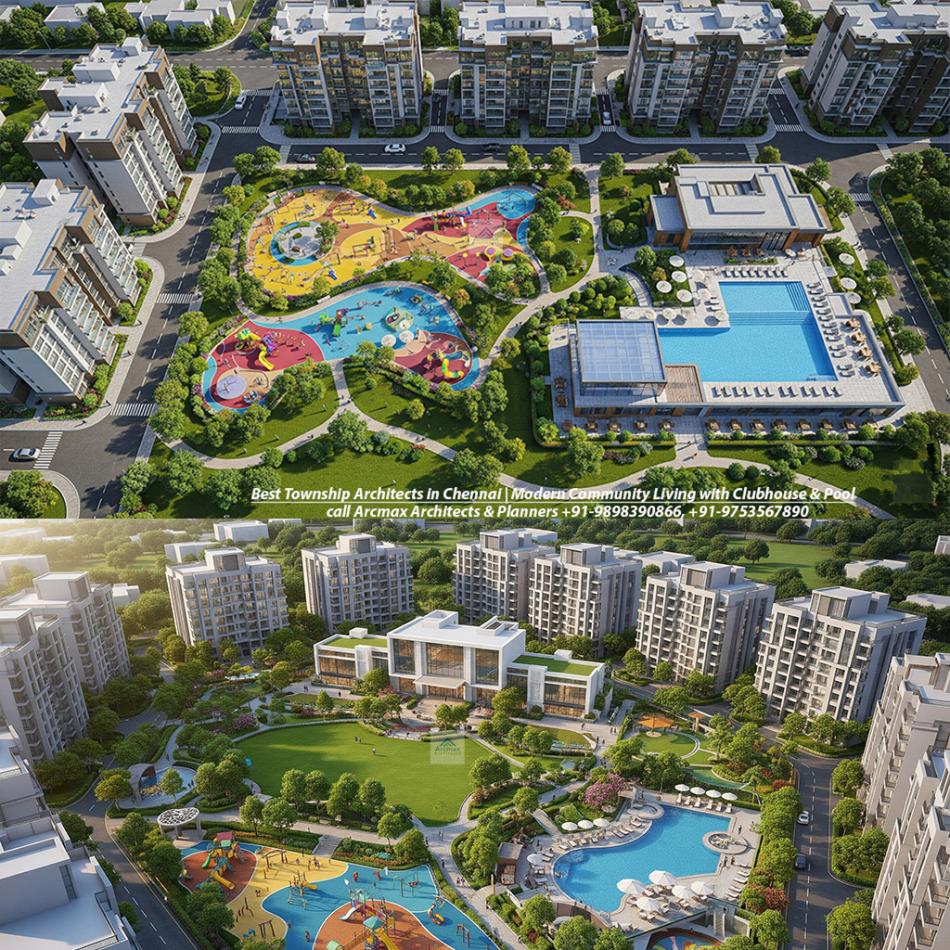
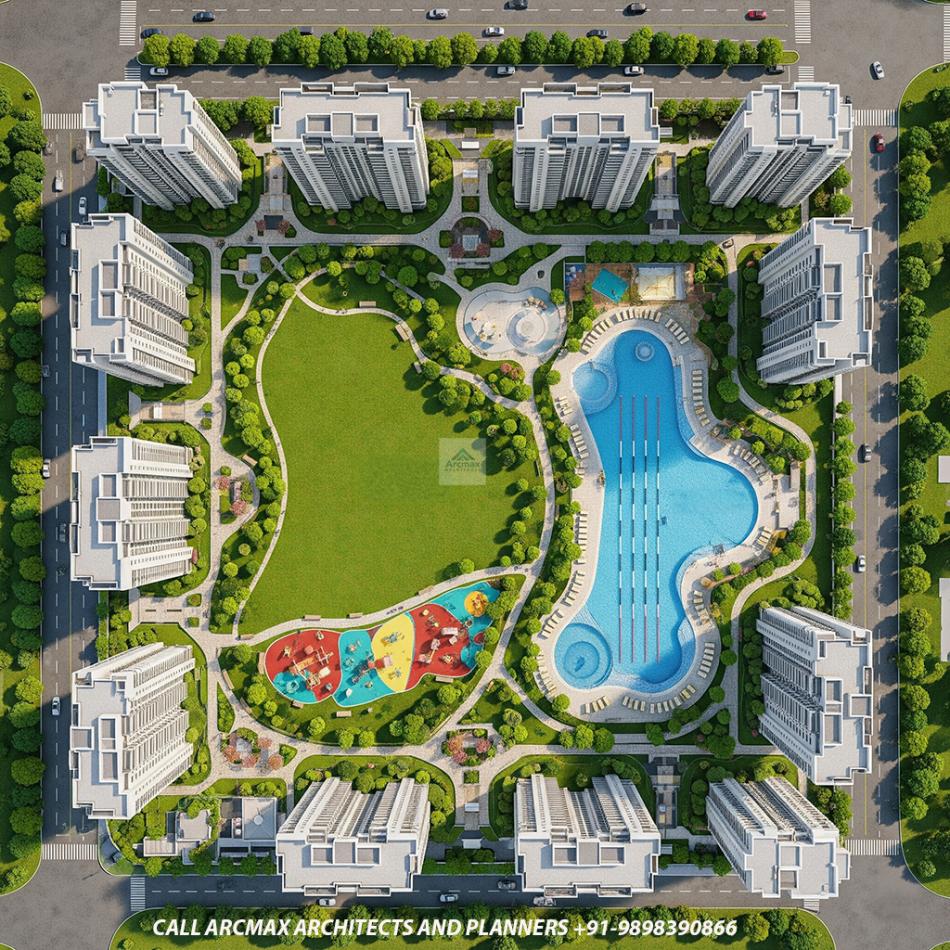
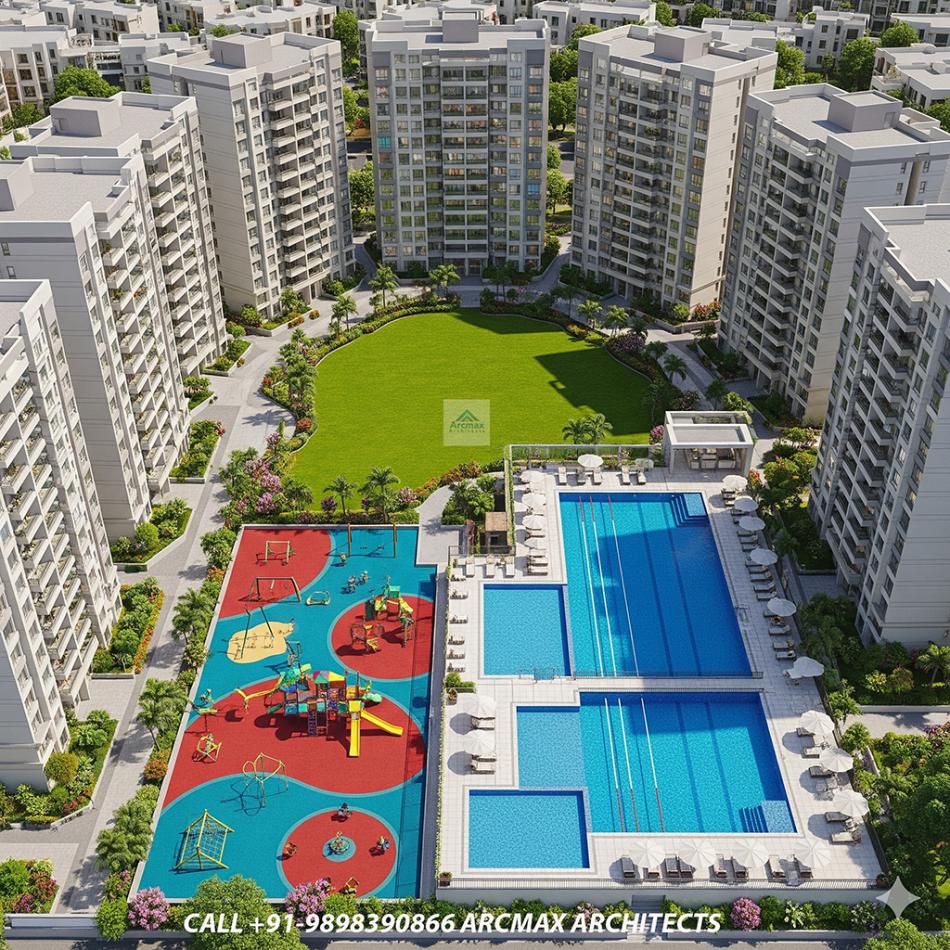
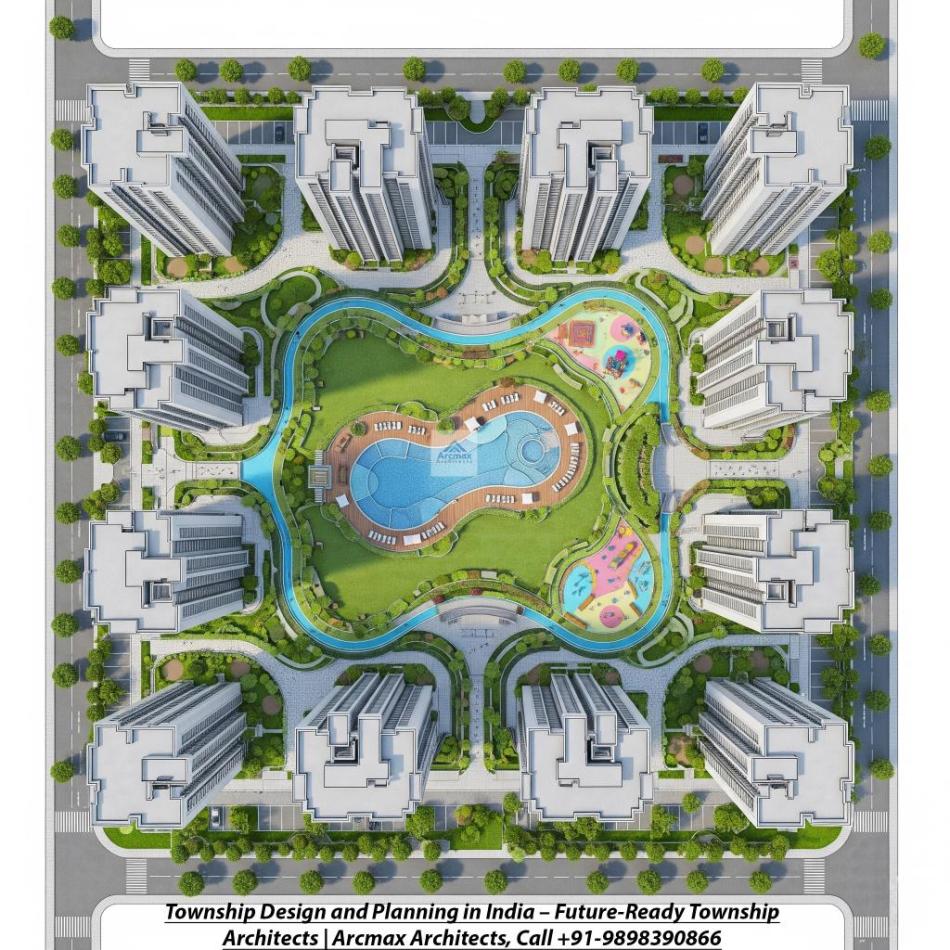
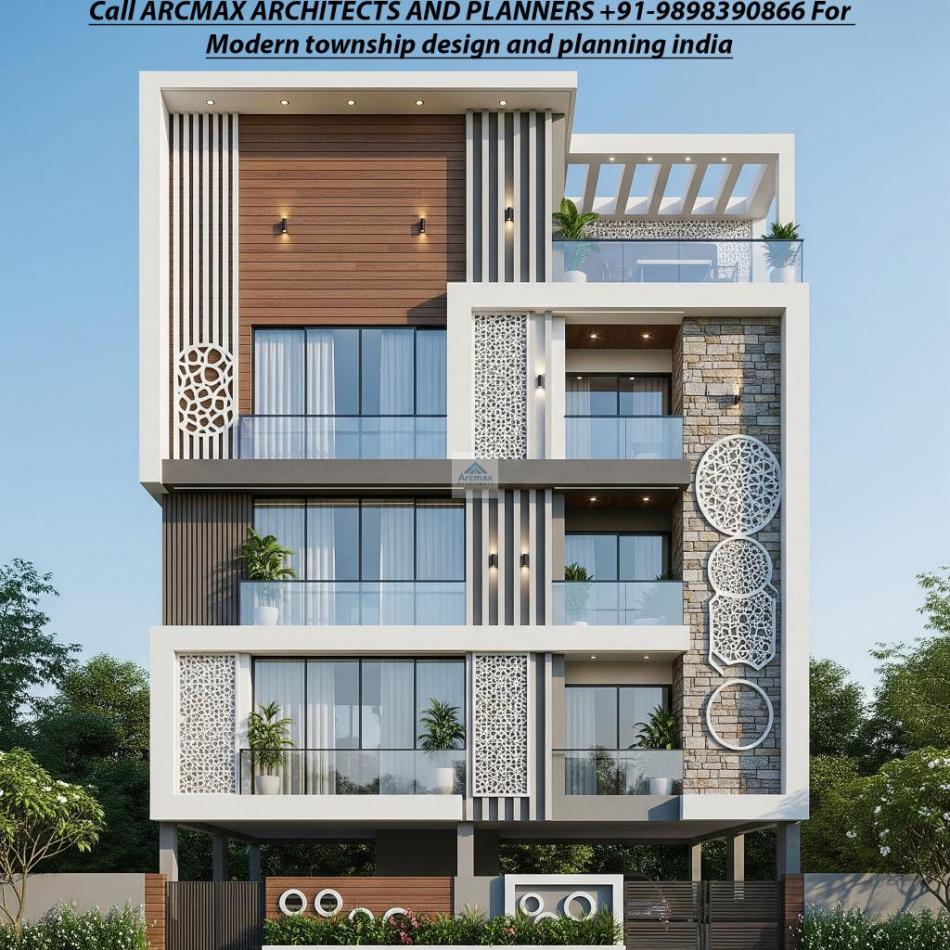
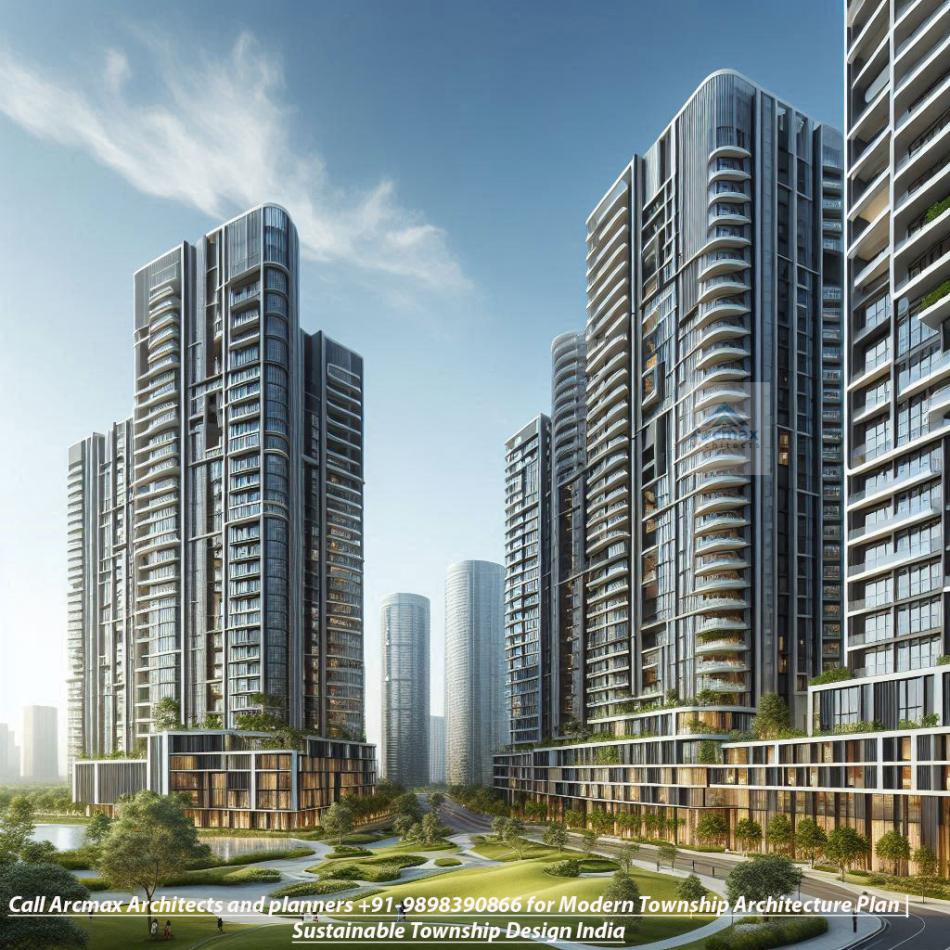
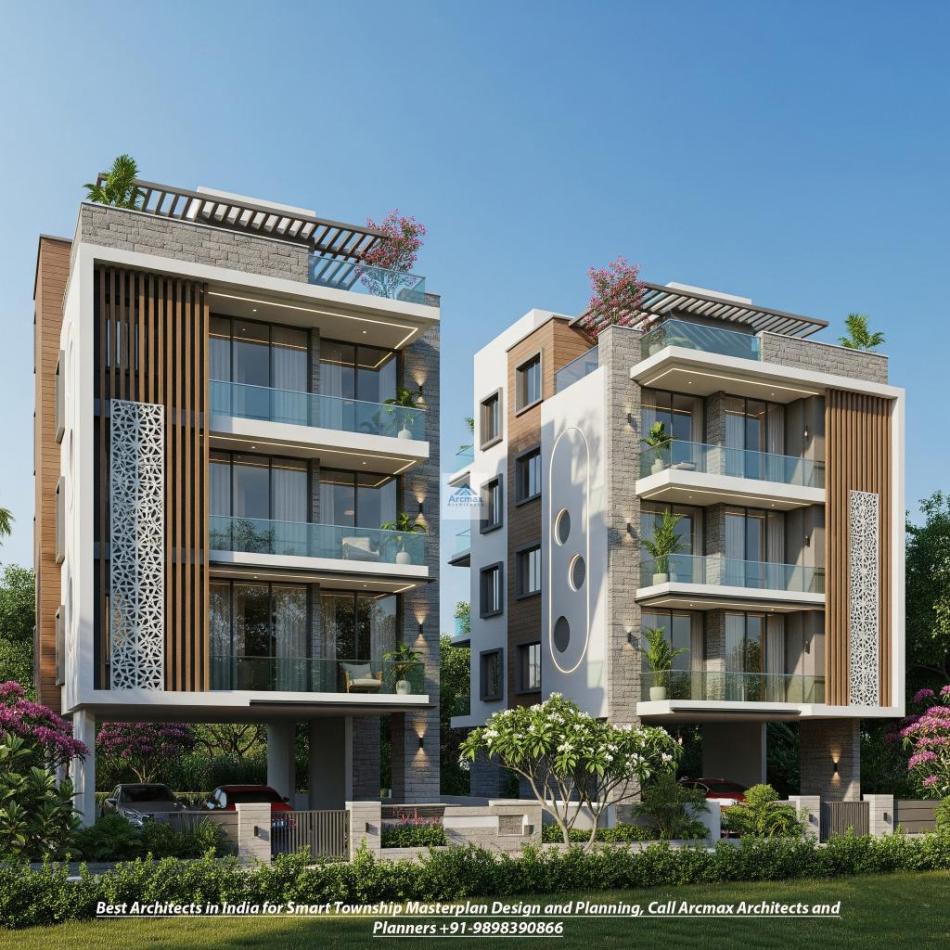
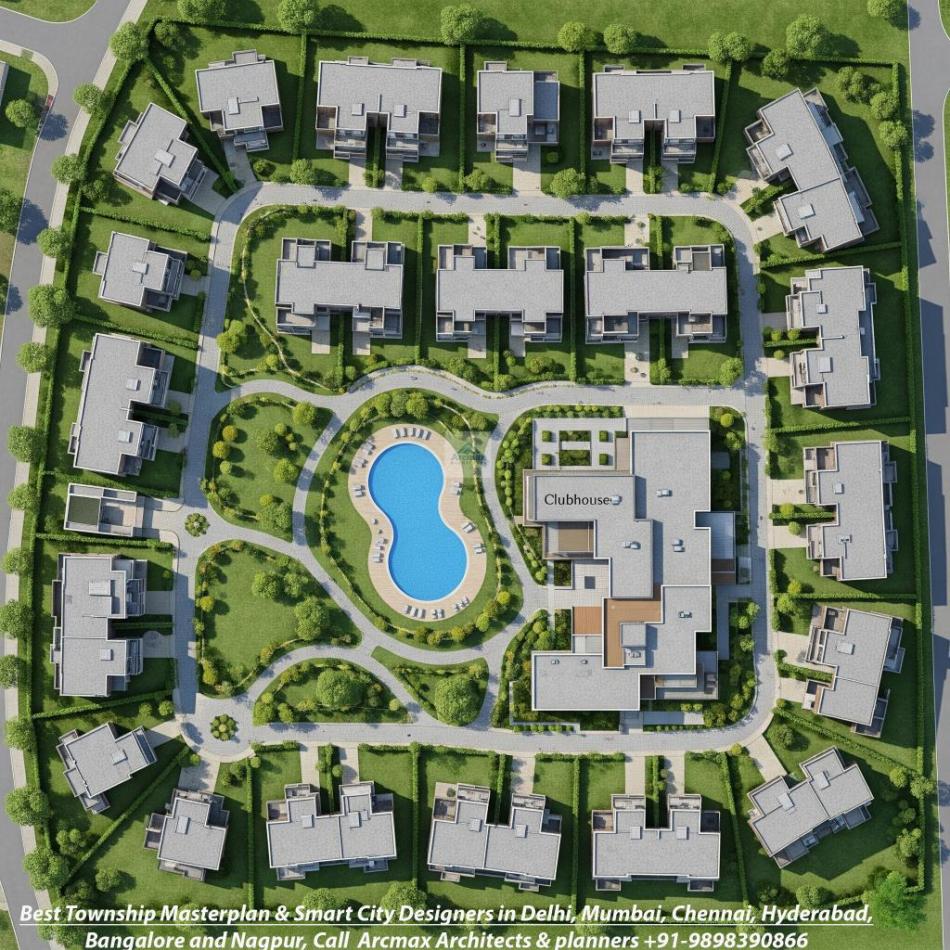
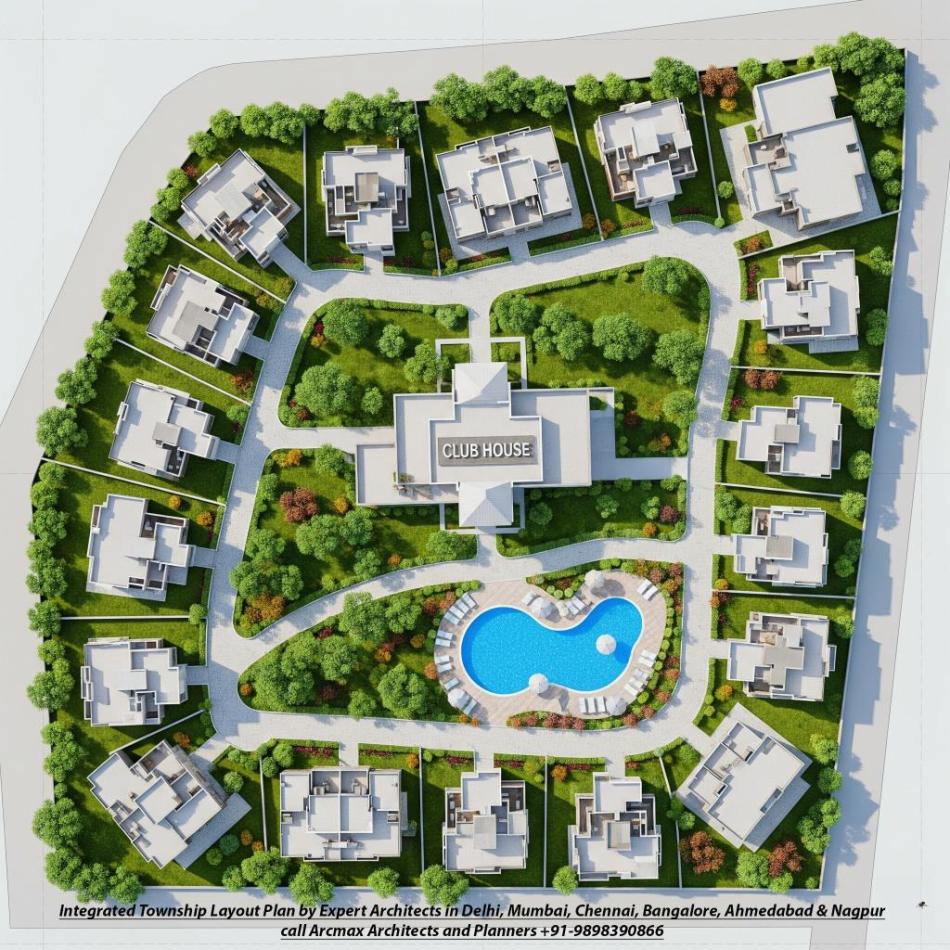
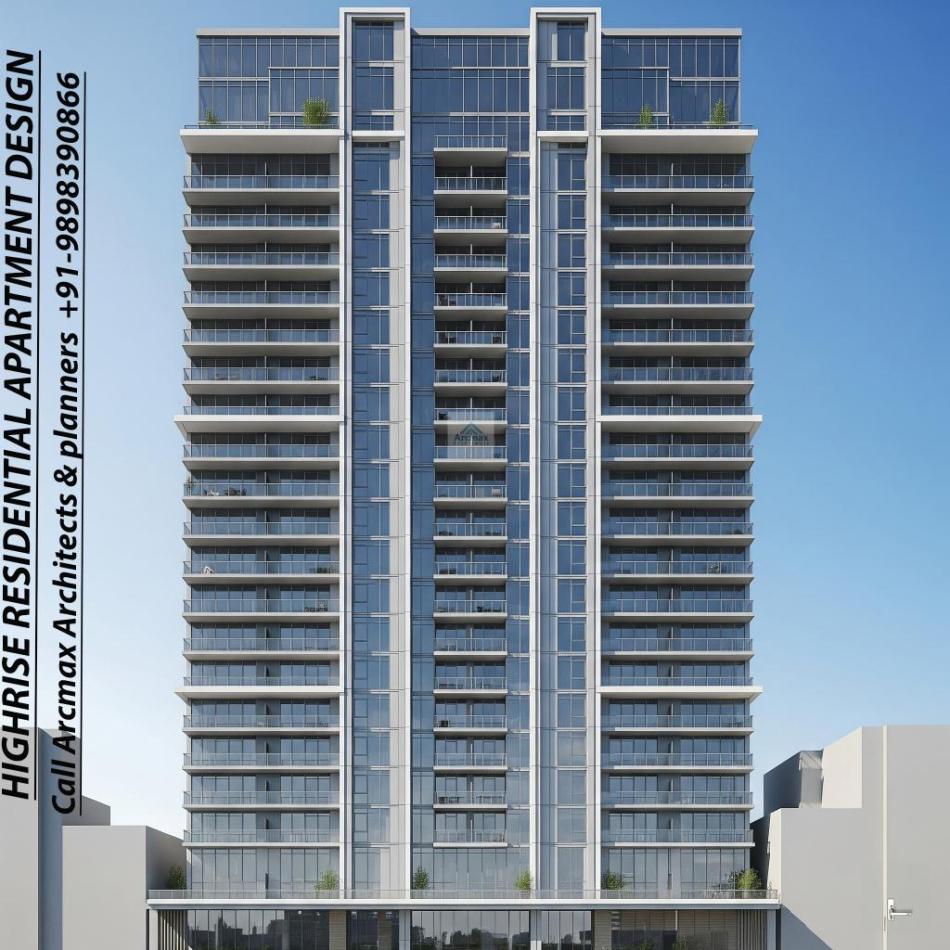
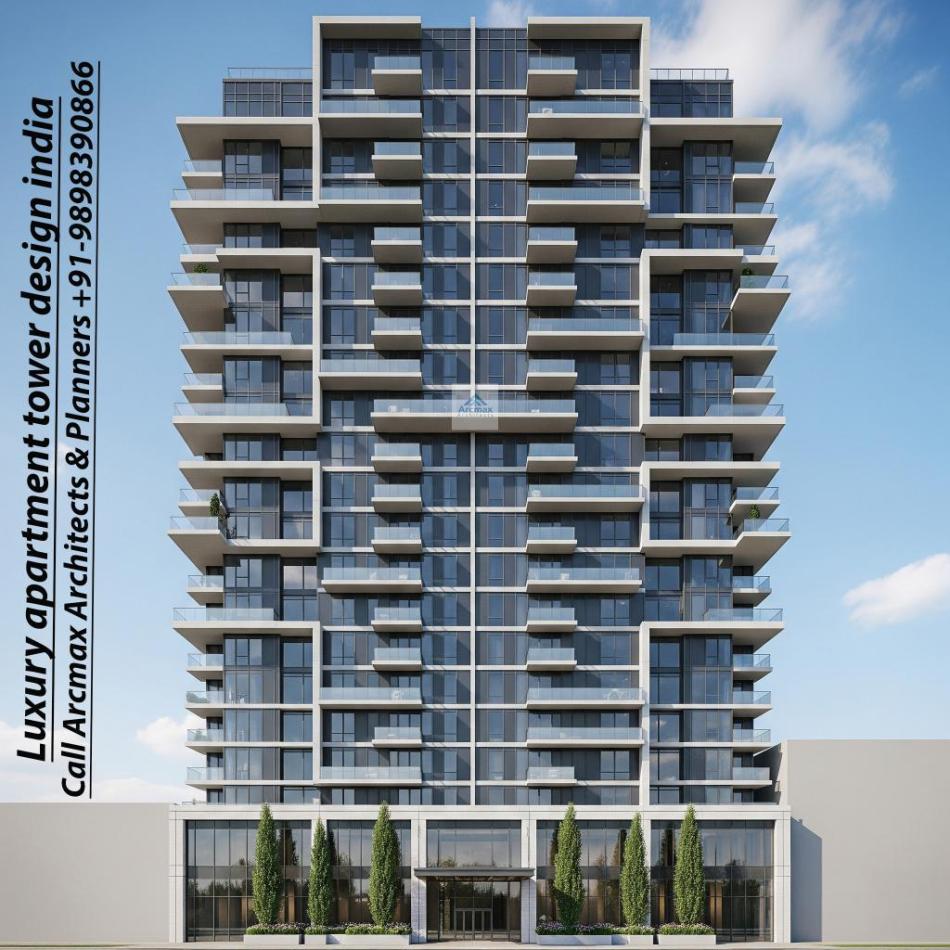
Modern Township Architecture Plan | Sustainable Township Design India
Are You Looking for Best Architects for Modern Township Architecture Plan and Design in india ? Hire Arcmax Architects and Planners or call +91-9898390866
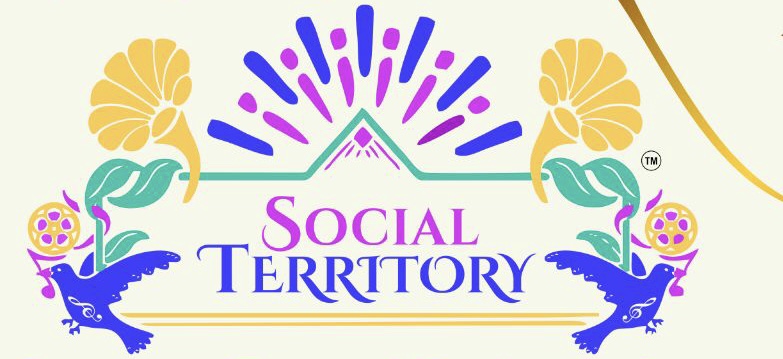
Modern Township Architecture Plan – Designing Sustainable Communities for the Future
India and the world are experiencing a major shift in urban development. Rapid urbanization, growing population, and the need for better infrastructure have created an urgent demand for modern township architecture plans. Unlike traditional housing projects, modern townships are self-sufficient ecosystems designed to deliver a holistic living experience. They integrate homes, offices, healthcare, education, entertainment, and green spaces within a thoughtfully planned environment.
Here, we will explore the principles, elements, benefits, and trends of modern township architecture plans and how they are shaping the cities of tomorrow.
1. What is a Modern Township Architecture Plan?
A modern township architecture plan is a comprehensive design blueprint that outlines the physical, social, and infrastructural framework of a township. It combines:
Residential architecture – apartments, villas, row houses, and affordable housing units.
Commercial spaces – offices, co-working hubs, retail malls, and shopping centers.
Recreational zones – sports complexes, gyms, playgrounds, and cultural centers.
Infrastructure facilities – roads, power supply, water systems, and sewage treatment.
Green and open spaces – landscaped parks, lakes, gardens, and biodiversity zones.
The goal is to create a mini-city within a city, where people can live, work, study, shop, and relax without long commutes.
2. Principles of Modern Township Architecture
Modern township planning is guided by certain core architectural and urban design principles:
a) Sustainability
Use of eco-friendly building materials.
Rainwater harvesting and groundwater recharge.
Solar panels, wind energy, and renewable power systems.
Efficient waste management and recycling.
b) Smart Infrastructure
IoT-enabled smart meters and lighting.
Digital surveillance and security systems.
EV charging stations and smart traffic management.
c) Human-Centric Design
Pedestrian-friendly pathways and cycle tracks.
Universal accessibility for elderly and differently-abled residents.
Recreational and cultural spaces to foster community living.
d) Mixed-Use Development
Residential, commercial, and institutional zones integrated seamlessly.
Walk-to-work and live-work-play concepts to minimize travel time.
e) Resilience and Safety
Earthquake-resistant structures.
Flood management systems with proper drainage.
Fire-safety planning with hydrants and evacuation routes.
3. Key Components of a Modern Township Architecture Plan
A well-designed township is not just about buildings—it is about a balanced ecosystem. Some major components include:
3.1 Master Planning and Zoning
Allocation of zones for housing, retail, offices, and public spaces.
Buffer zones to reduce pollution and noise.
Orientation of buildings for maximum sunlight and ventilation.
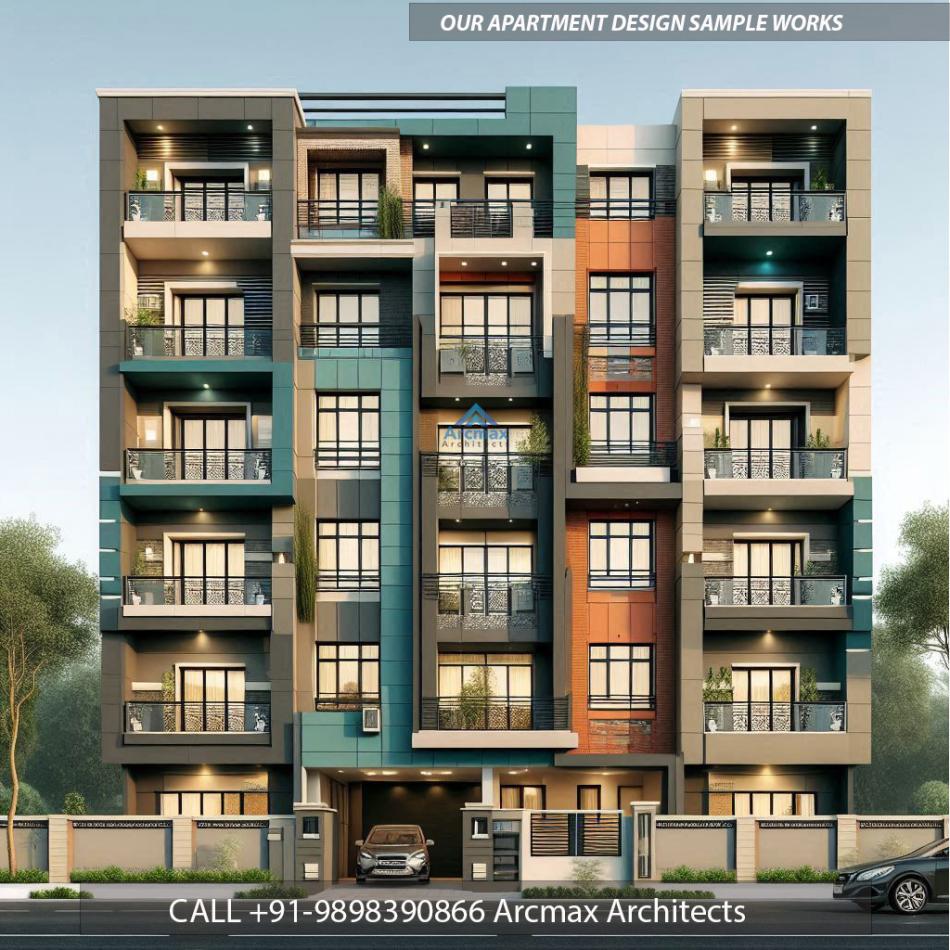
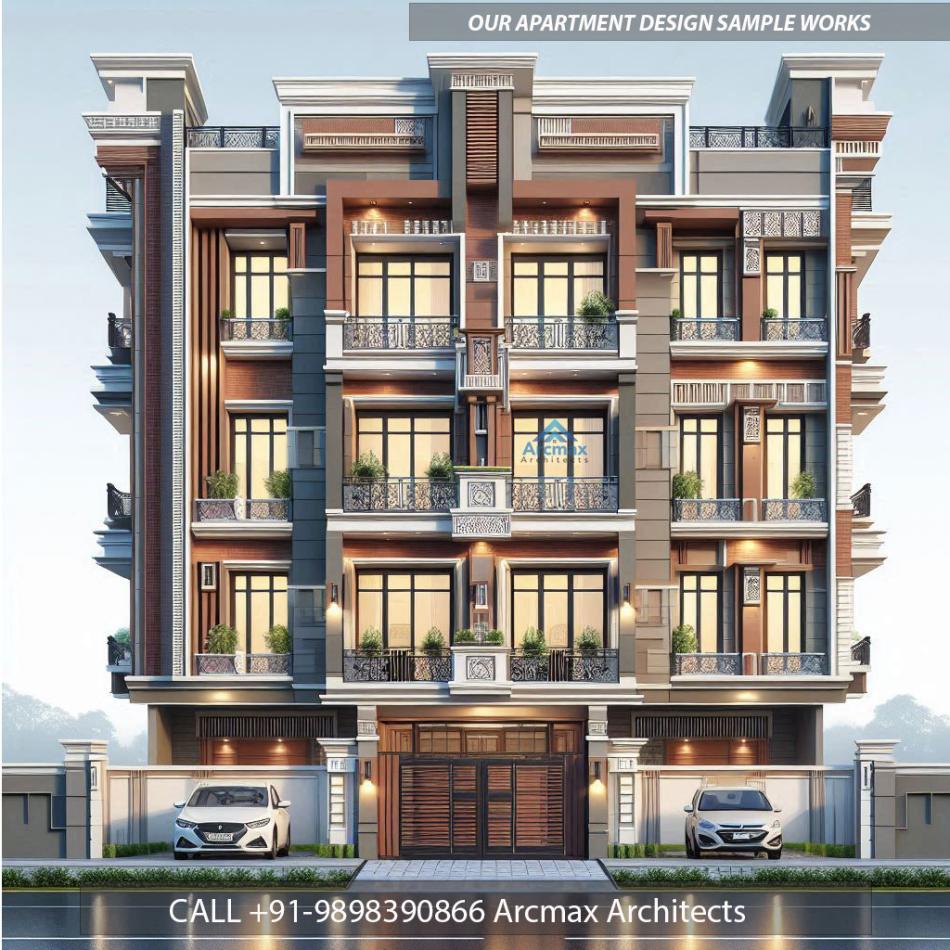
3.2 Residential Architecture
High-rise towers for dense urban areas.
Villas, duplexes, and row houses for premium living.
Affordable housing clusters for inclusive development.
3.3 Transportation and Circulation
Wide arterial roads, internal streets, and dedicated pedestrian lanes.
Integration with highways, metro stations, and airports.
Smart traffic signals and public transport hubs.
3.4 Green Infrastructure
Urban forests and landscaped parks.
Water bodies for aesthetics and micro-climate regulation.
Vertical gardens and green roofs for energy efficiency.
3.5 Utilities and Services
Underground power cabling for safety.
24/7 water supply and STPs (Sewage Treatment Plants).
Renewable energy integration into the grid.
3.6 Community Facilities
Schools, colleges, and training institutes.
Multi-specialty hospitals and clinics.
Shopping malls, multiplexes, and retail zones.
Sports facilities, gyms, and cultural auditoriums.
4. Process of Developing a Modern Township Architecture Plan
Designing a township is a multi-disciplinary process involving architects, urban planners, engineers, and government authorities.
Site Analysis
Soil condition, topography, and water table analysis.
Environmental impact assessment.
Conceptual Planning
Broad land use zoning diagrams.
Initial layouts for residential and commercial areas.
Detailed Master Plan
Finalized road networks, utility grids, and landscaping.
Compliance with development authority and RERA guidelines.
Design Development
Architectural drawings of housing units and amenities.
Integration of MEP (Mechanical, Electrical, Plumbing) systems.
Approvals and Clearances
Environmental approvals, fire safety clearance, building plan sanction.
Construction and Phasing
Execution in phases for better cost management.
Infrastructure development followed by residential blocks.
Handover and Maintenance
Resident Welfare Association (RWA) formation.
Facility management for long-term upkeep.
5. Trends in Modern Township Architecture
Modern township designs are influenced by global urbanism trends and local lifestyle needs. Some notable trends include:
Vertical Living: High-rise apartments with sky gardens and rooftop amenities.
Transit-Oriented Townships: Located near metro corridors and highways.
Eco-Townships: Incorporating lakes, forests, and carbon-neutral buildings.
Luxury Gated Communities: Villas, clubhouses, golf courses, and branded residences.
Affordable Townships: Government-subsidized housing clusters.
Digital Townships: High-speed internet zones, smart apps for community management.
6. Benefits of Modern Township Architecture Plans
Townships deliver far-reaching benefits to residents, developers, and cities:
For Residents: Safe, secure, and convenient lifestyle with all amenities nearby.
For Developers: Increased property value and faster sales due to integrated facilities.
For Cities: Reduced pressure on external infrastructure, balanced urban growth.
For Environment: Sustainable design reduces carbon footprint and energy consumption.
7. Challenges in Modern Township Planning
Despite its advantages, township planning faces some challenges:
Land Acquisition Issues – Difficulty in procuring large land parcels.
Regulatory Bottlenecks – Lengthy approval processes.
Cost Overruns – Escalation in construction and material costs.
Infrastructure Gaps – External connectivity to highways and metros.
Environmental Concerns – Balancing development with ecology.
8. Role of Architects in Modern Township Design
Township architects are at the heart of successful planning. Their role includes:
Preparing master plans and zoning diagrams.
Designing sustainable and eco-friendly layouts.
Coordinating with engineers for MEP and structural integration.
Ensuring compliance with national building codes.
Innovating with global architectural trends to meet local needs.
9. Future of Township Development in India and Beyond
The future of township architecture will be smart, green, and inclusive. Some upcoming directions are:
Smart Cities: Integration of AI and IoT in township management.
Green Certifications: IGBC and LEED certifications becoming standard.
EV-Ready Communities: Charging points across residential and commercial areas.
Micro-Townships in Tier-2 Cities: Affordable yet modern developments for smaller towns.
Mixed-Use Mega Townships: 200–500 acre projects with homes, offices, malls, and hospitals.
10. Conclusion
A modern township architecture plan is much more than a housing layout—it is the blueprint for sustainable urban living. By integrating residential spaces, commercial hubs, green zones, and digital infrastructure, townships redefine how people live, work, and interact.
For developers, investing in modern township planning means higher property appreciation and long-term growth. For residents, it ensures a secure, convenient, and community-focused lifestyle. And for cities, it is a step towards balanced and environmentally responsible urbanization.
As India moves toward becoming a global urban leader, modern township architecture will be the foundation of its future-ready cities. The right balance of design innovation, sustainability, and smart planning will ensure that tomorrow’s townships are not just places to live—but thriving communities built for generations to come.
Click To see images in full width




Want a Quotation please fill the form
 Subscribe Our whatsapp Channel to View Our Latest Design Projects