Bakeri City, Pincode: 380015 Ahmedabad, Gujarat, India,
244 Madison Avenue, New York, United States


Our Client


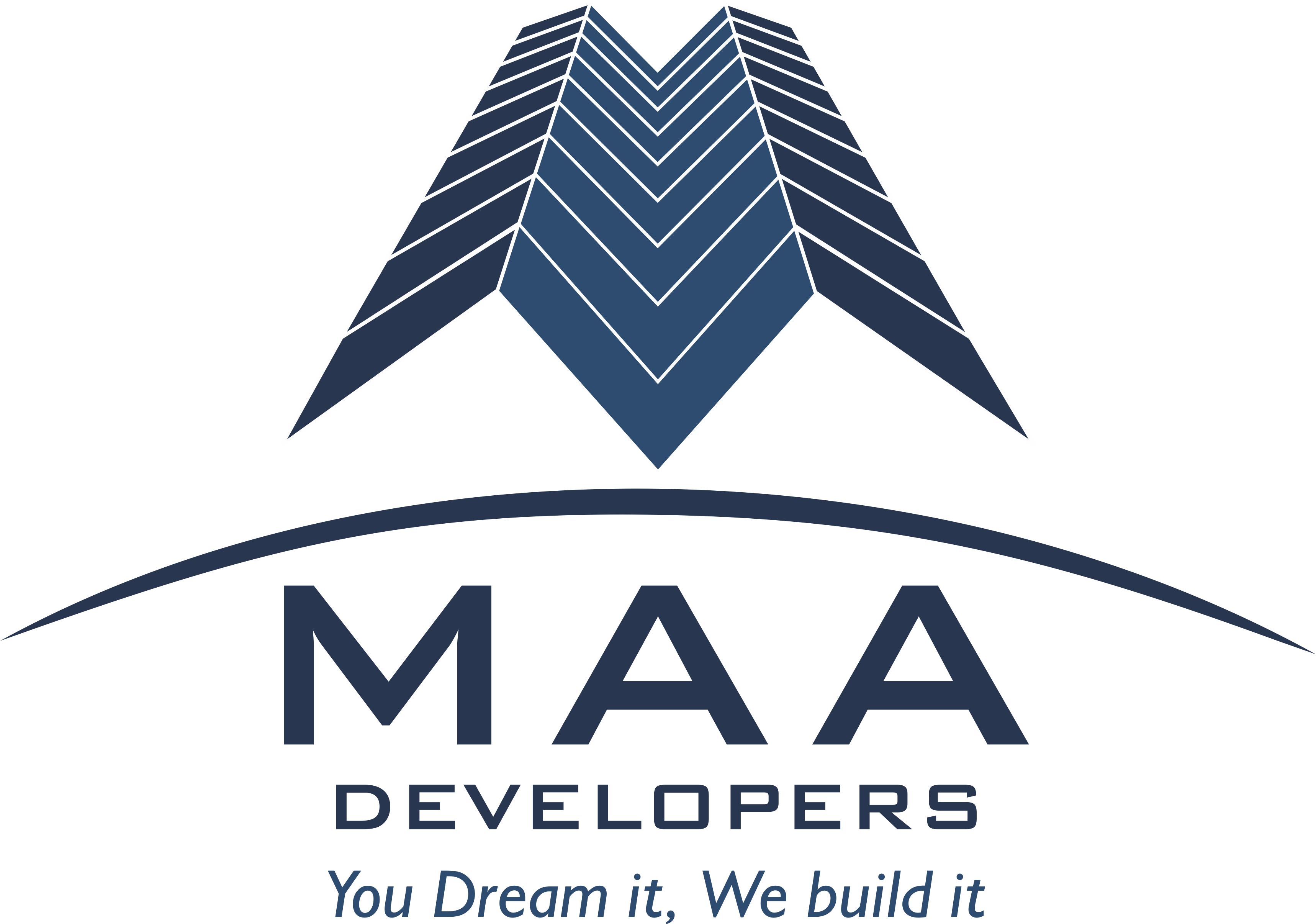



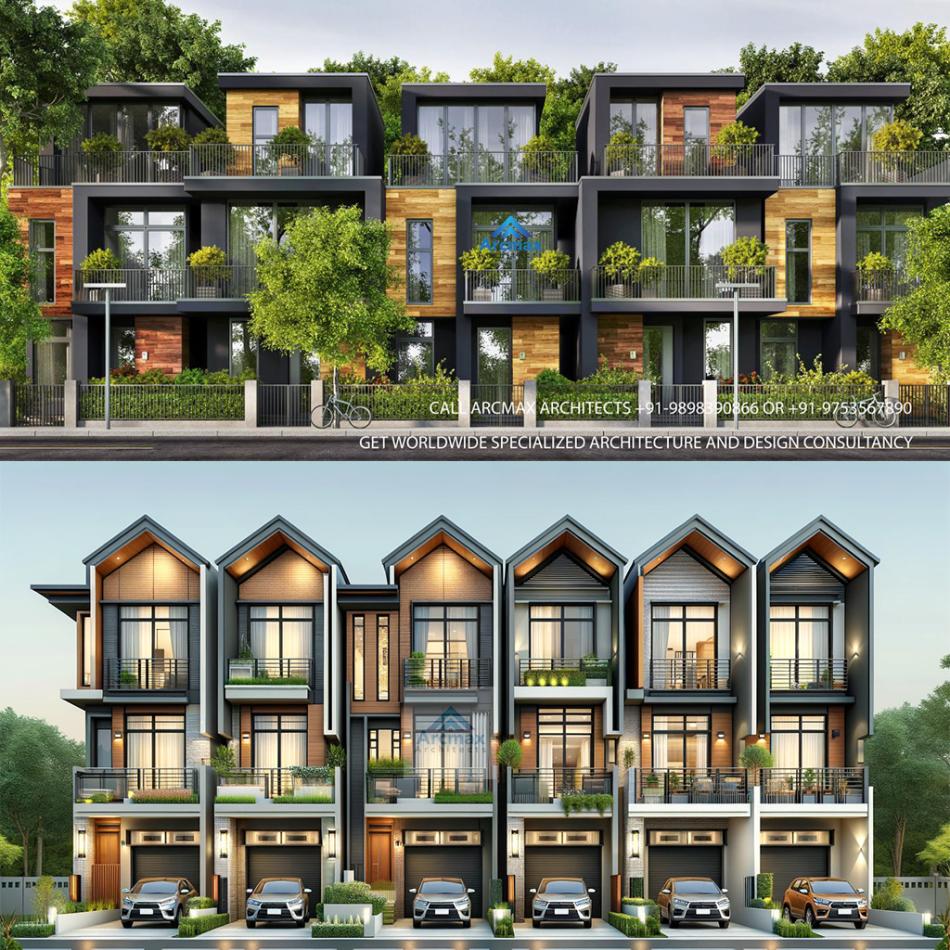
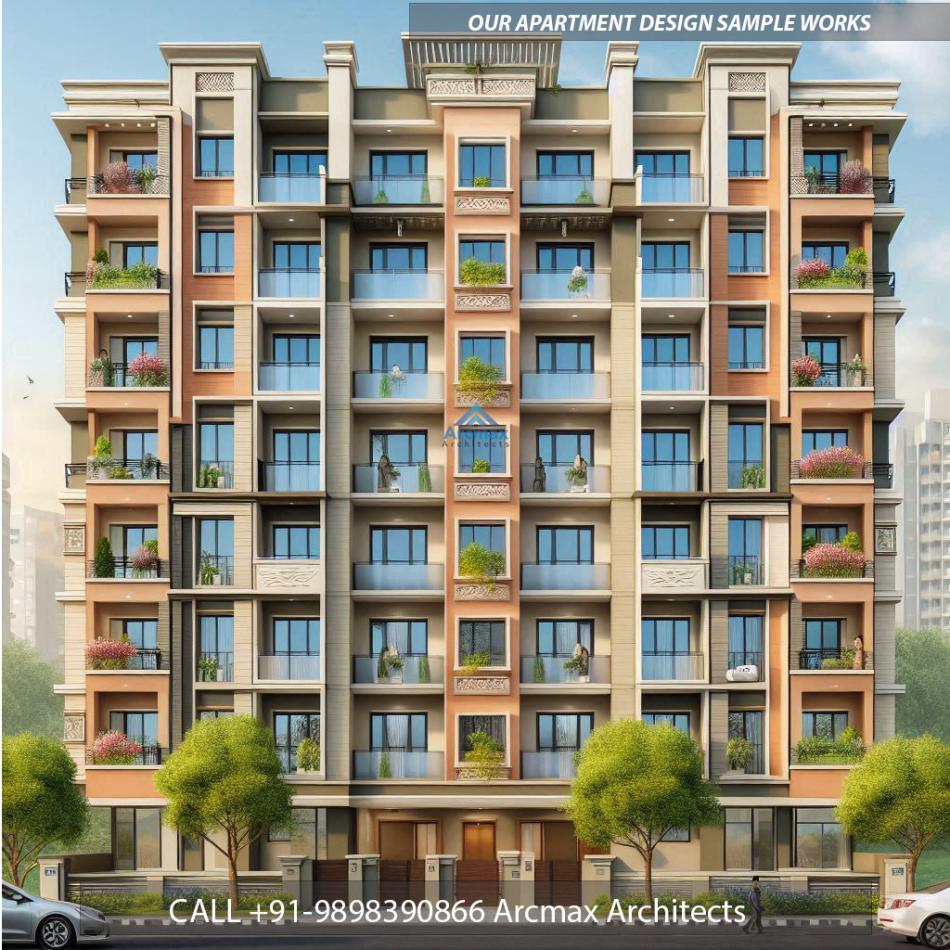
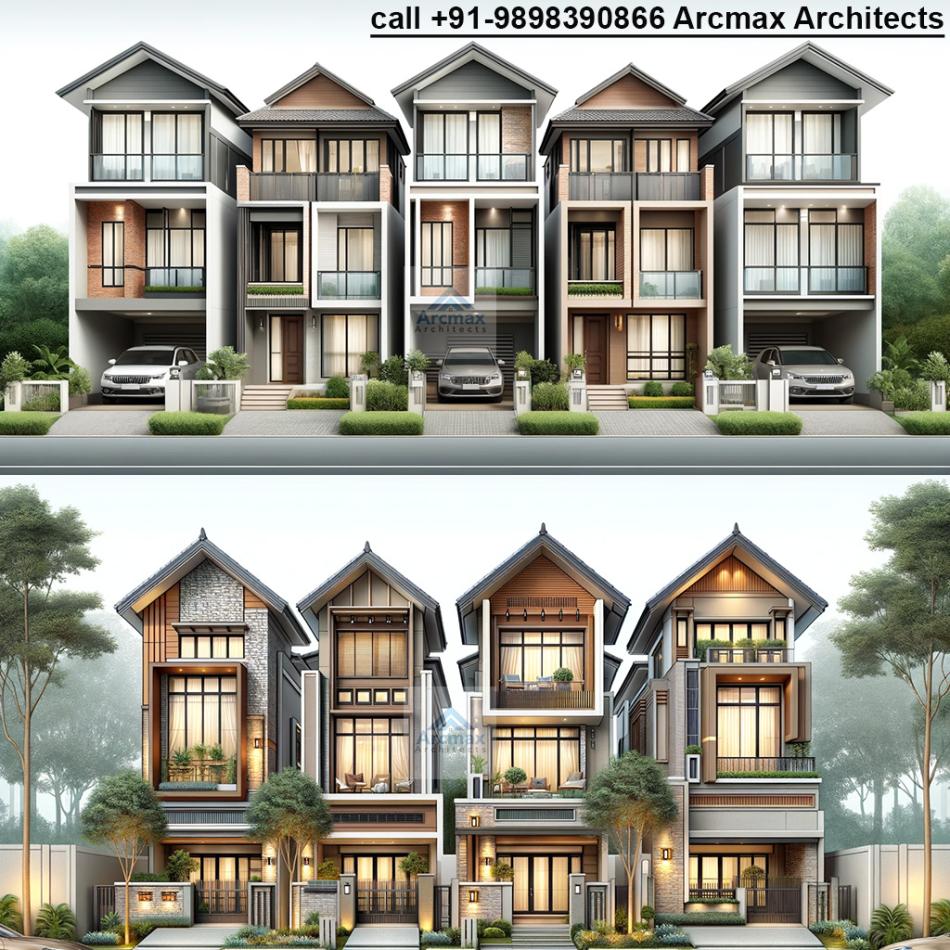
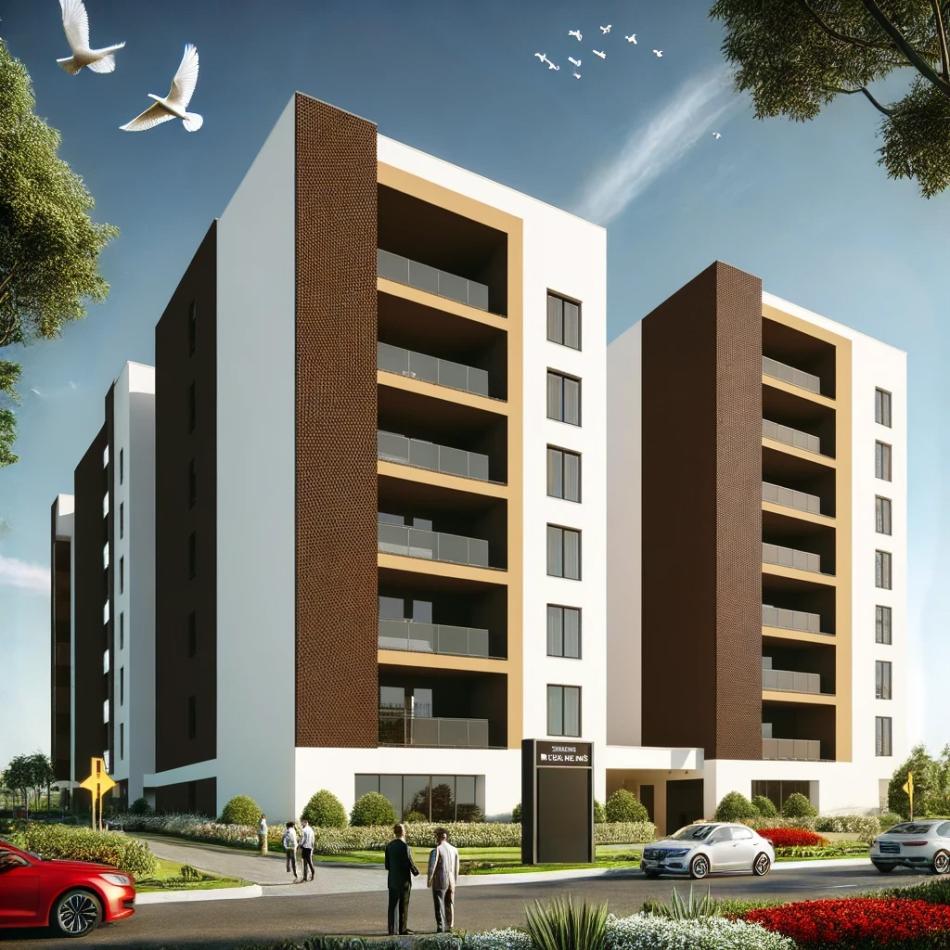
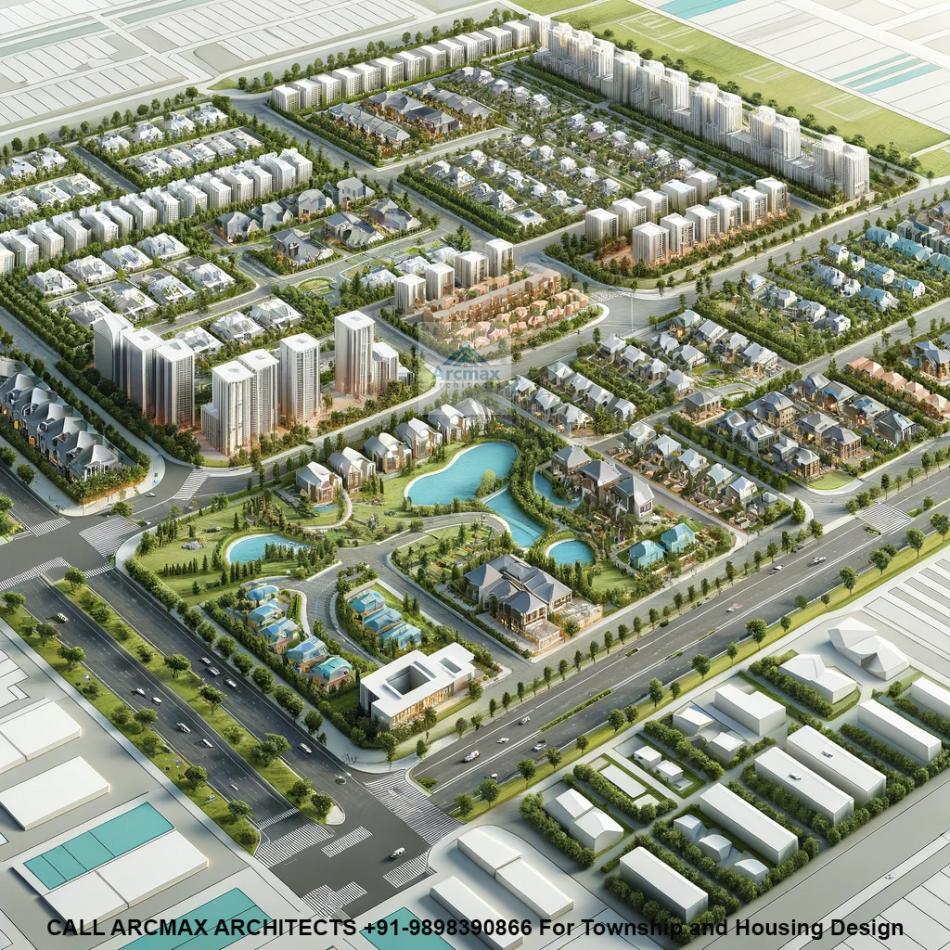
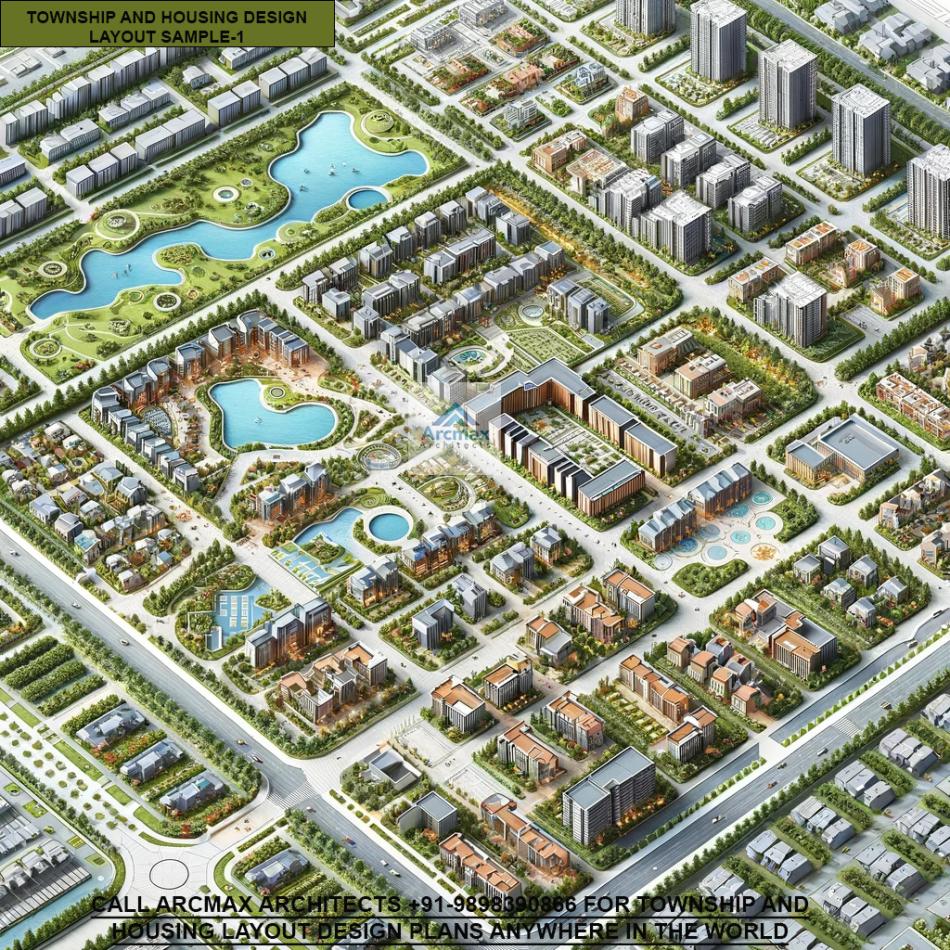
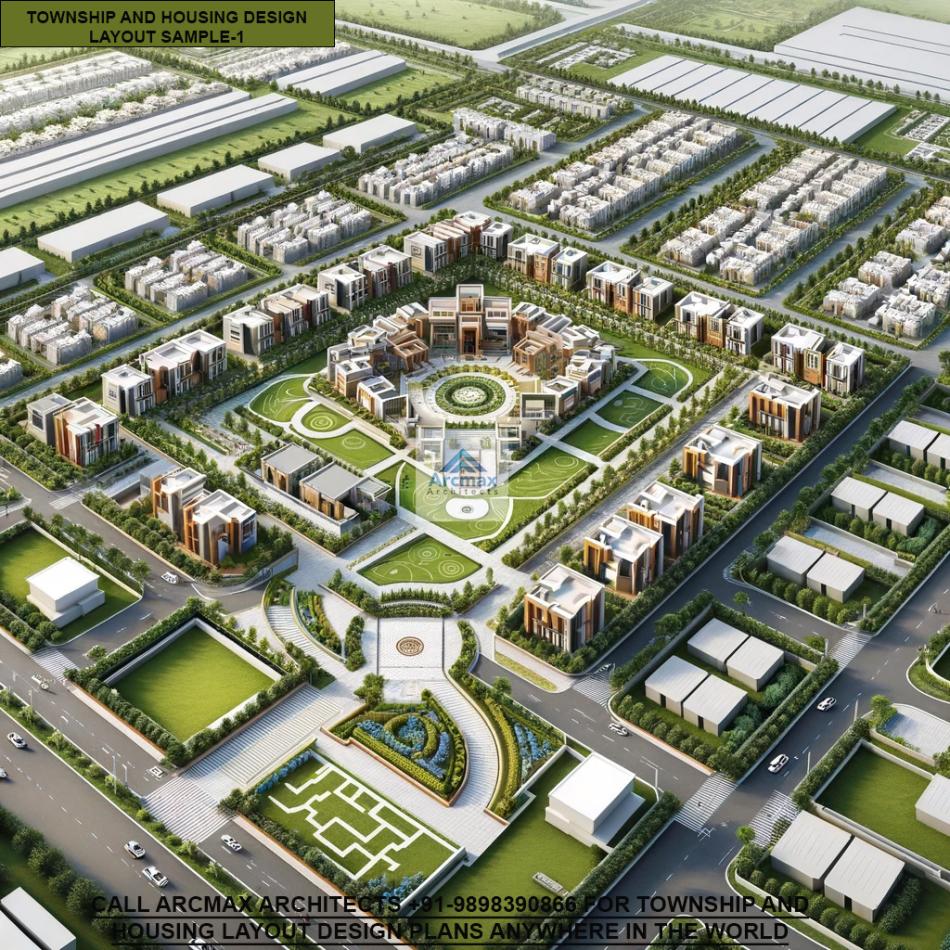

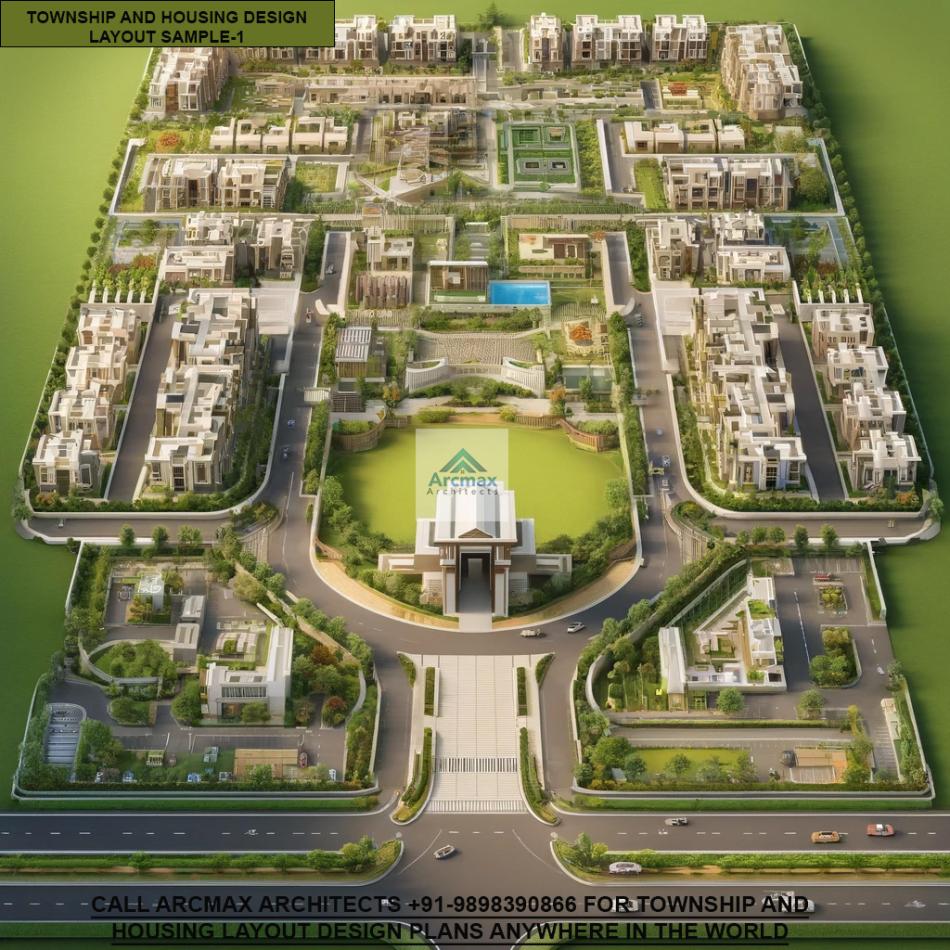
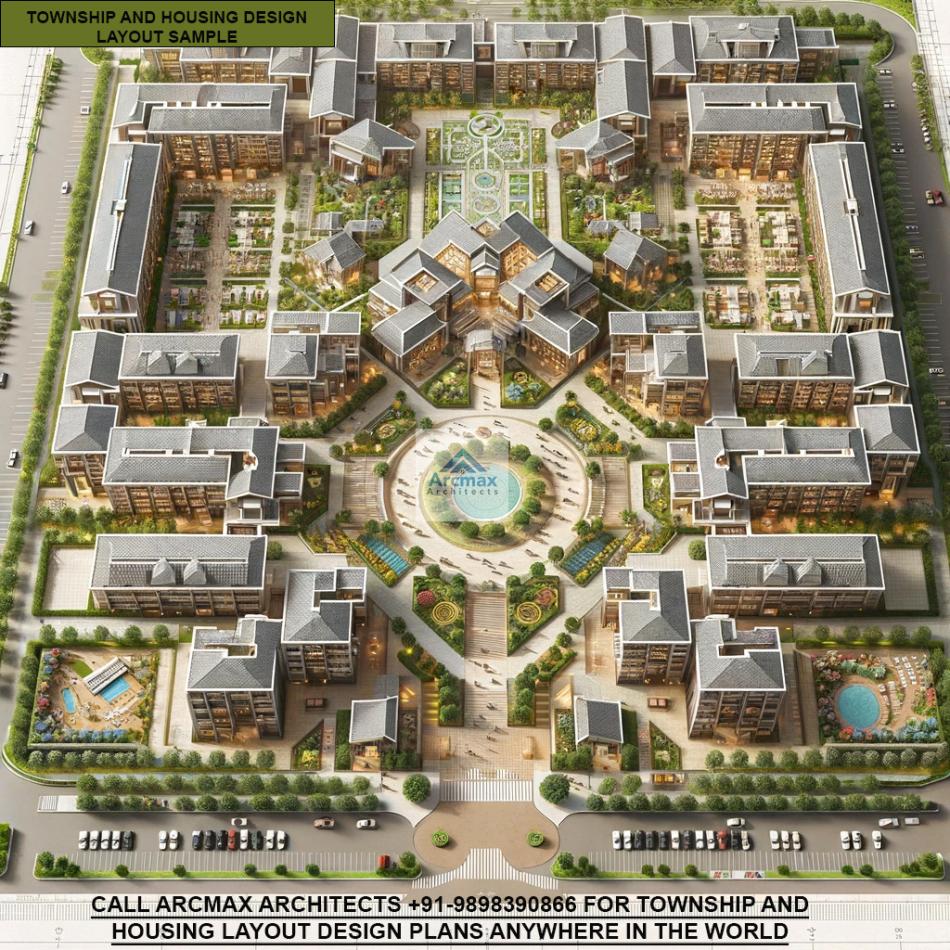
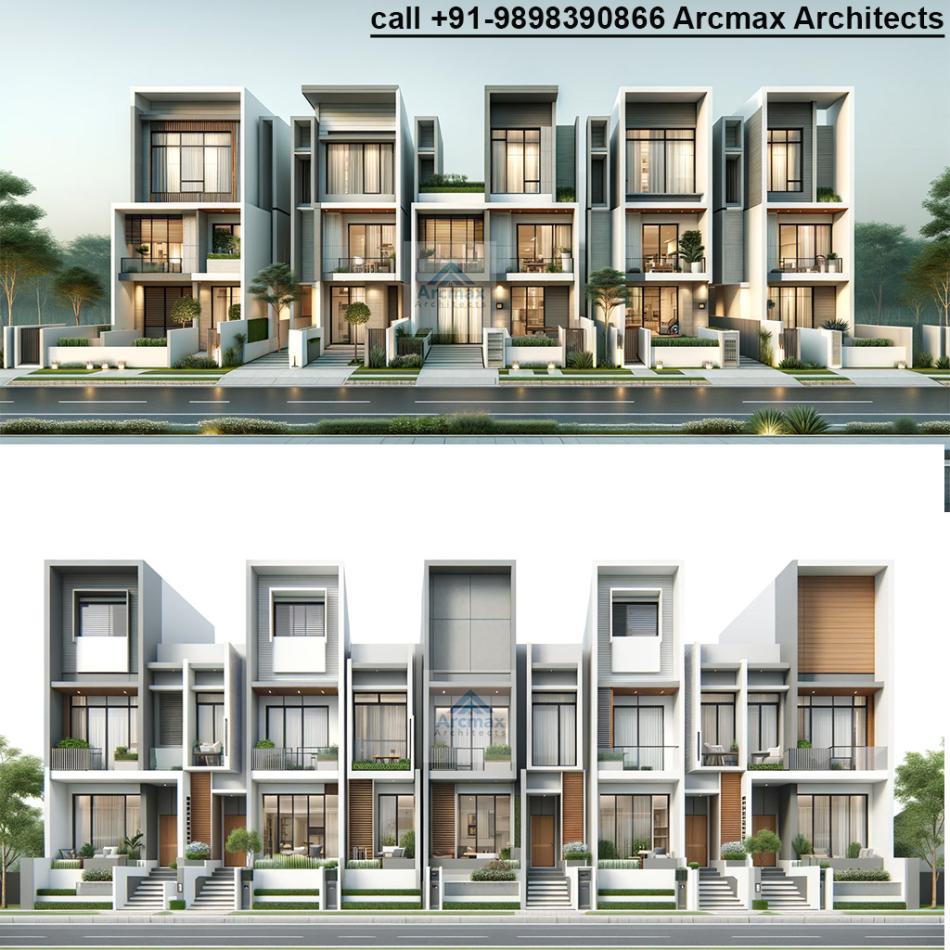
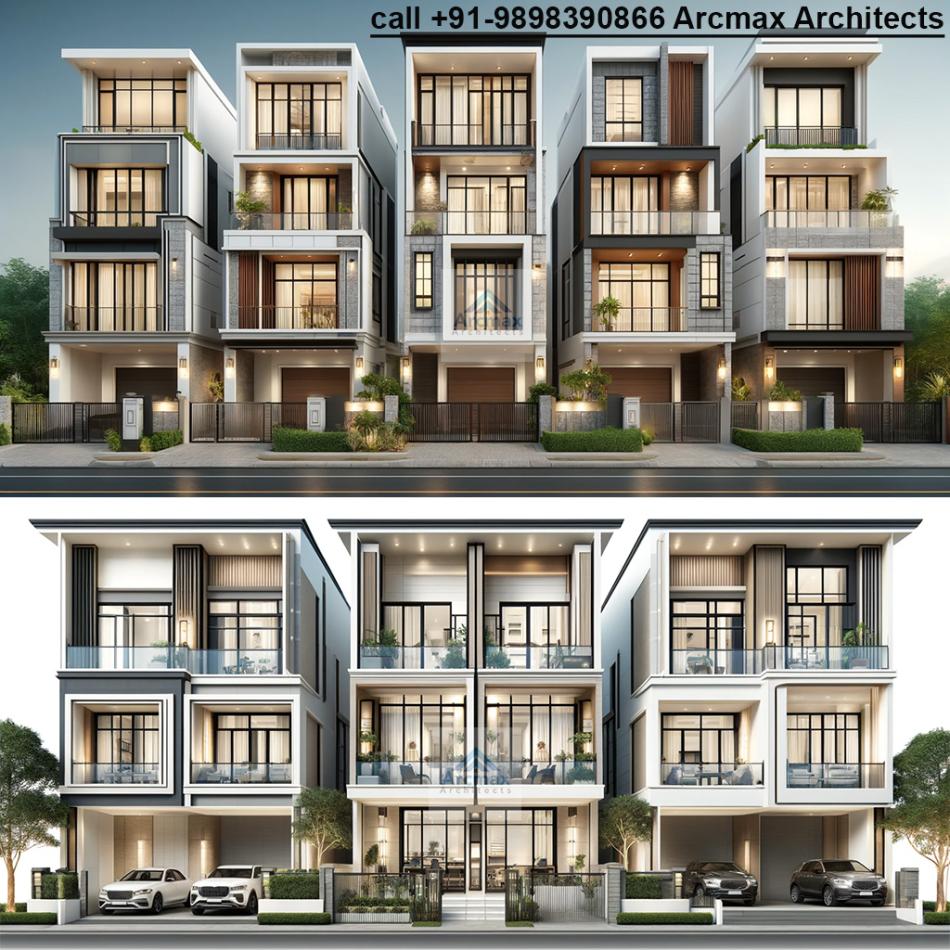
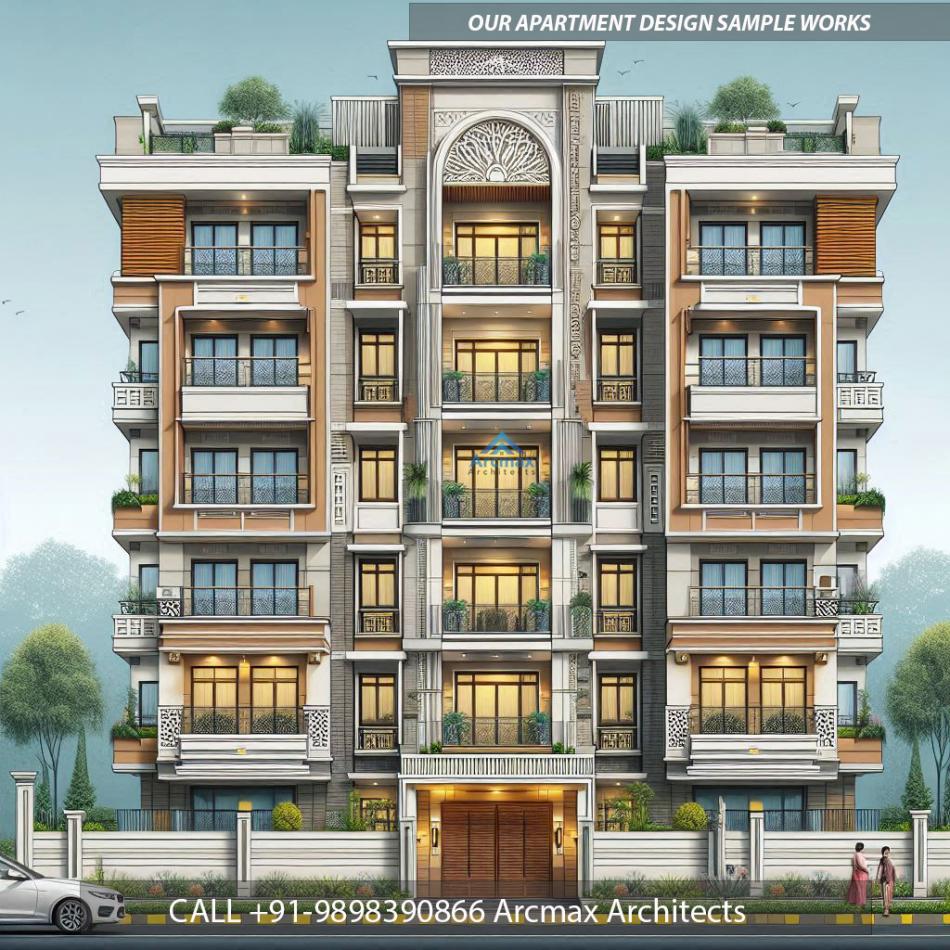
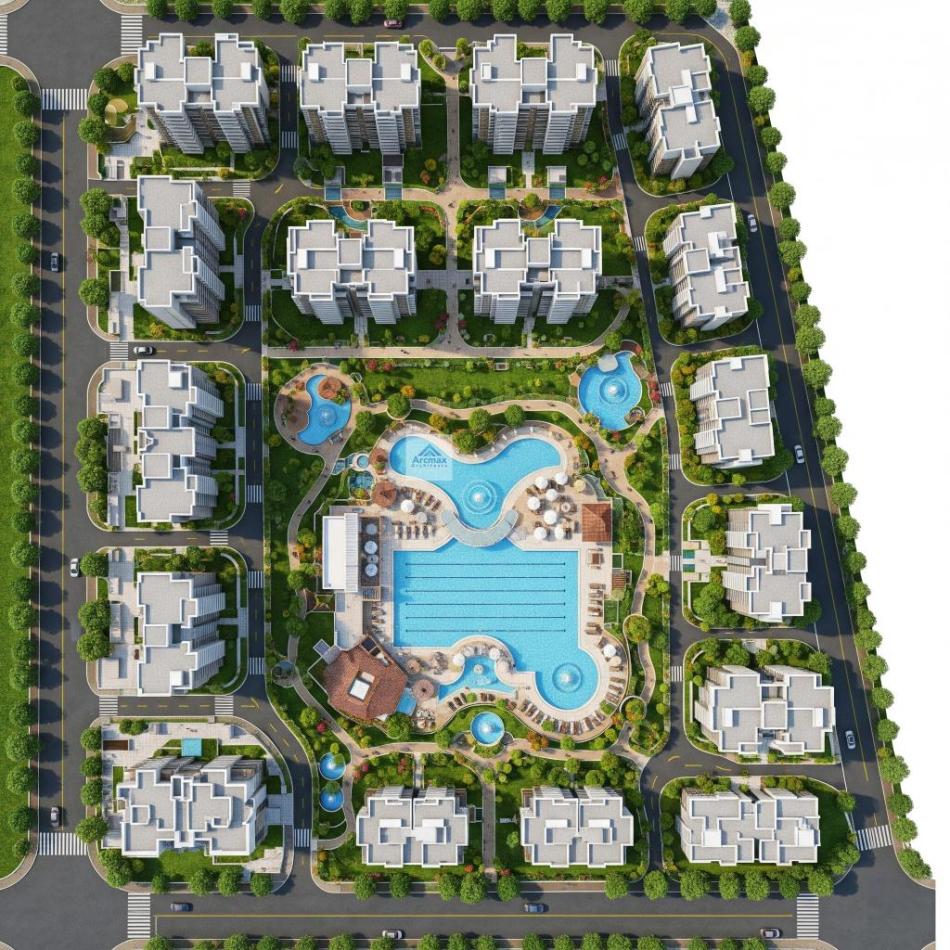
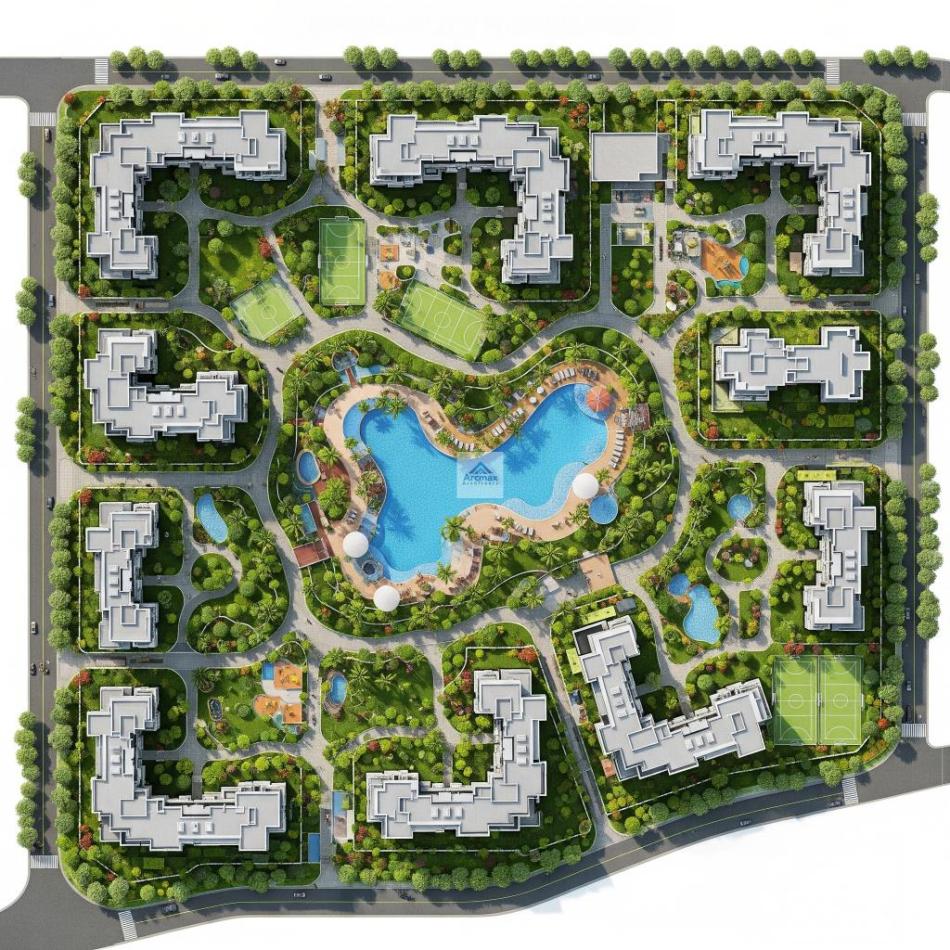
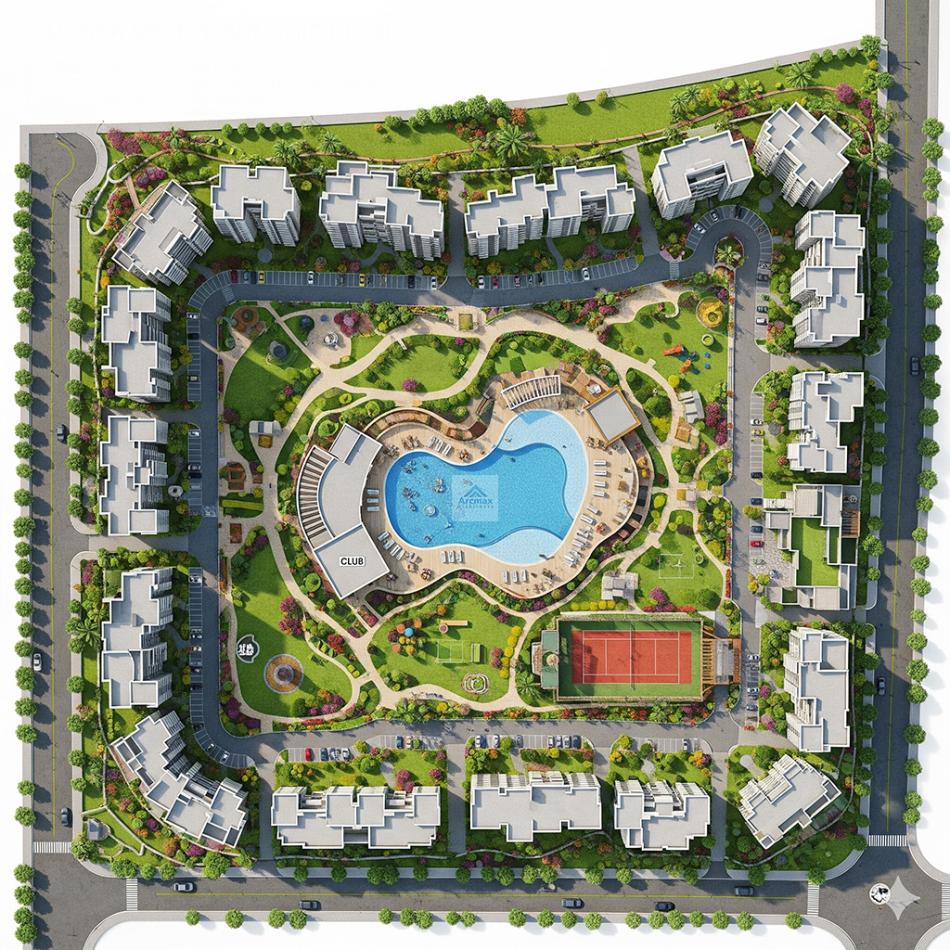
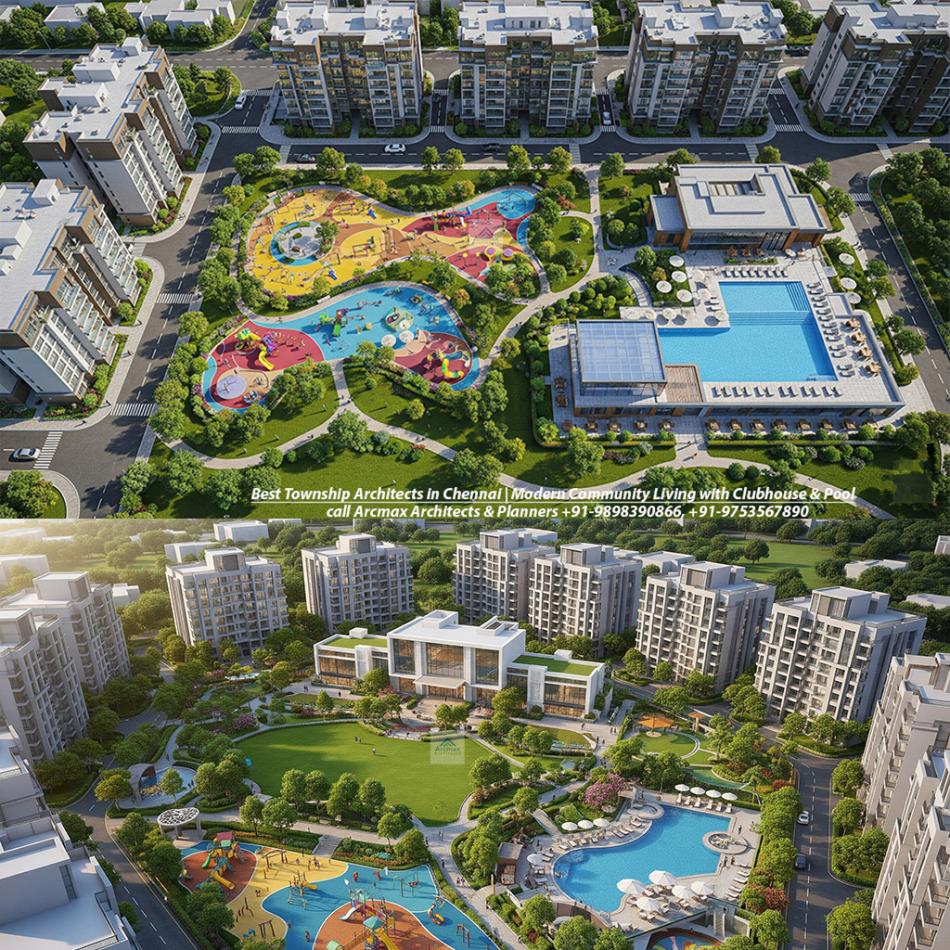
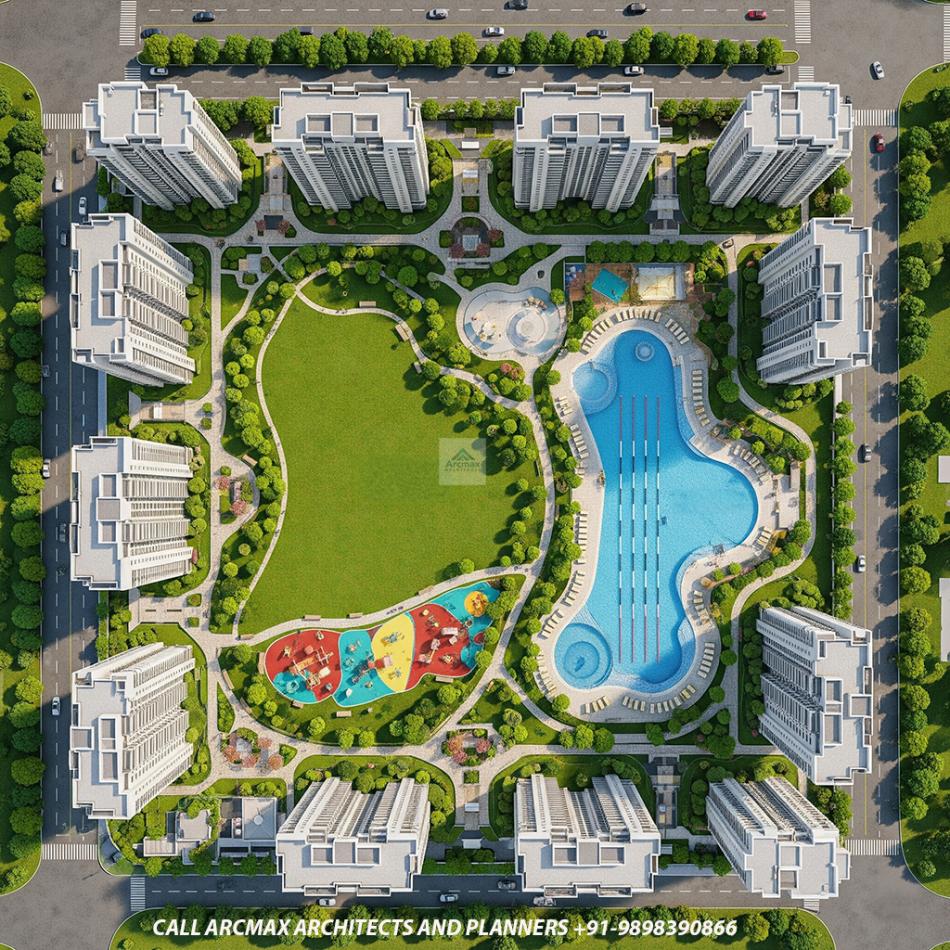
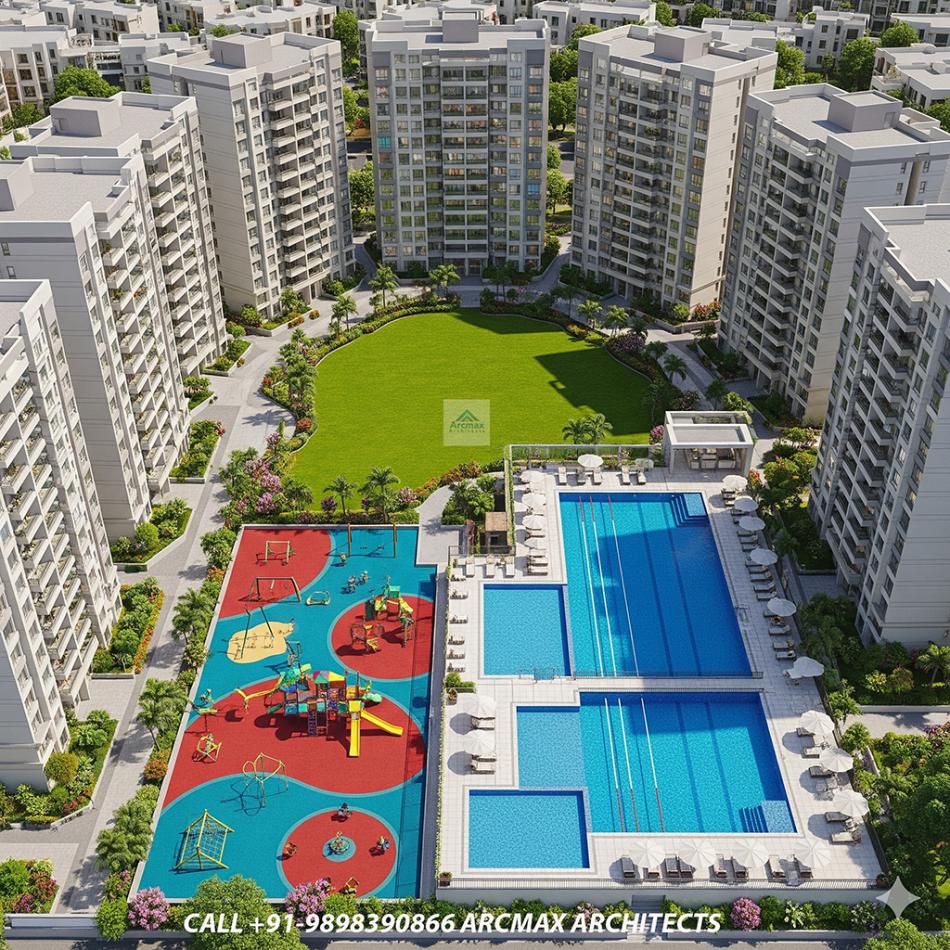
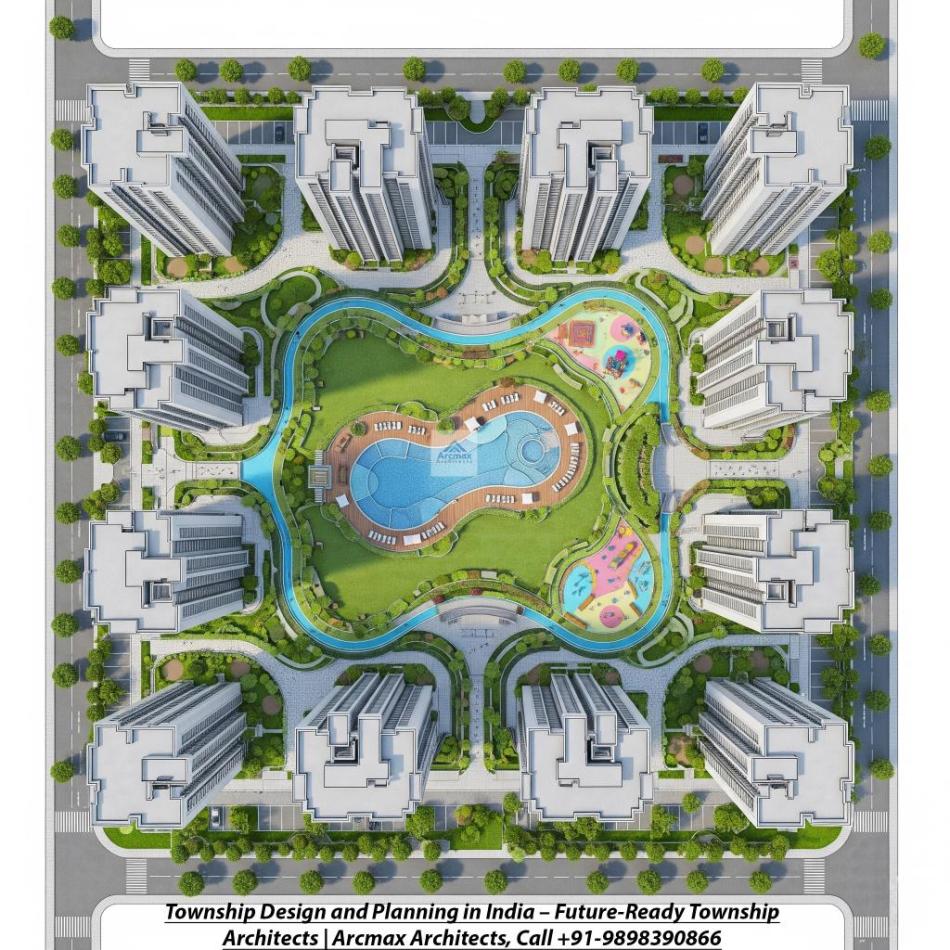
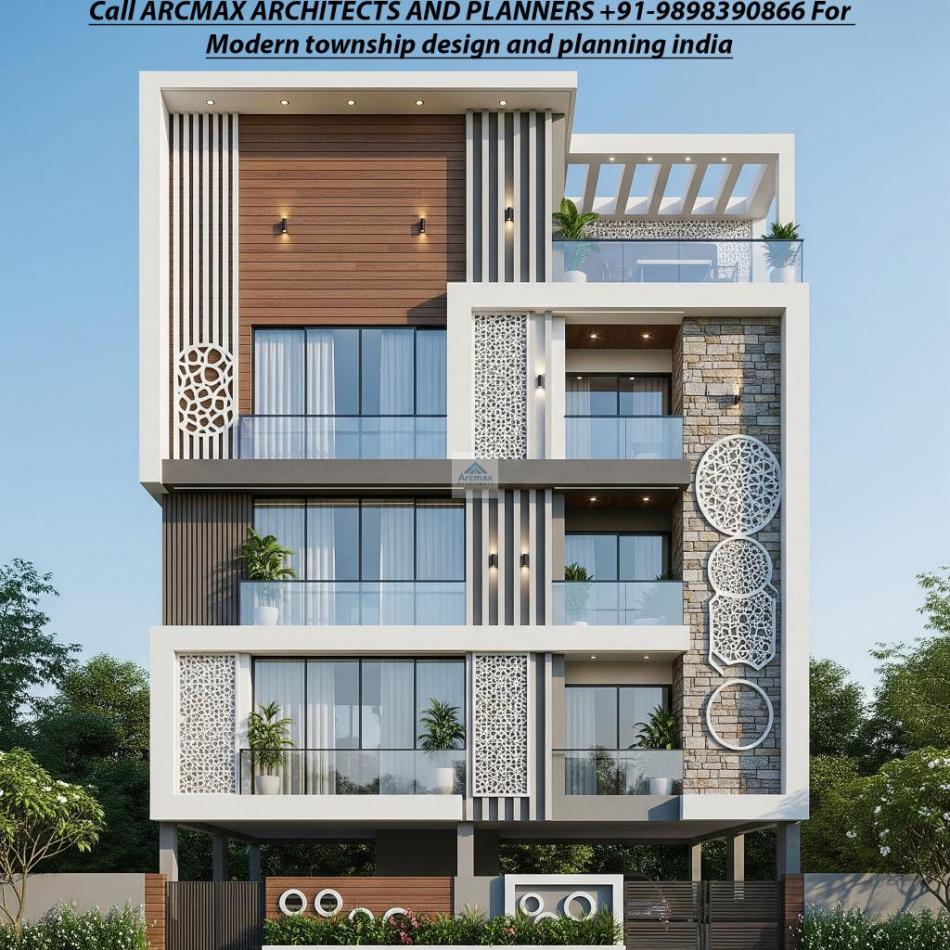
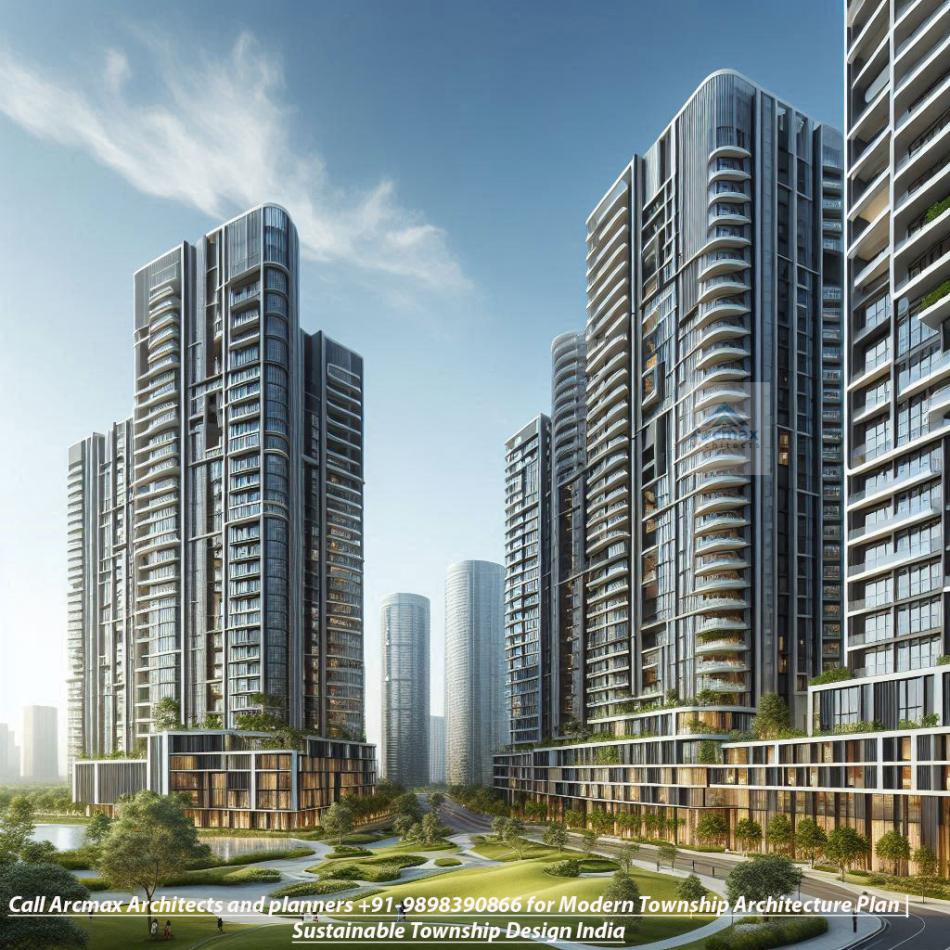
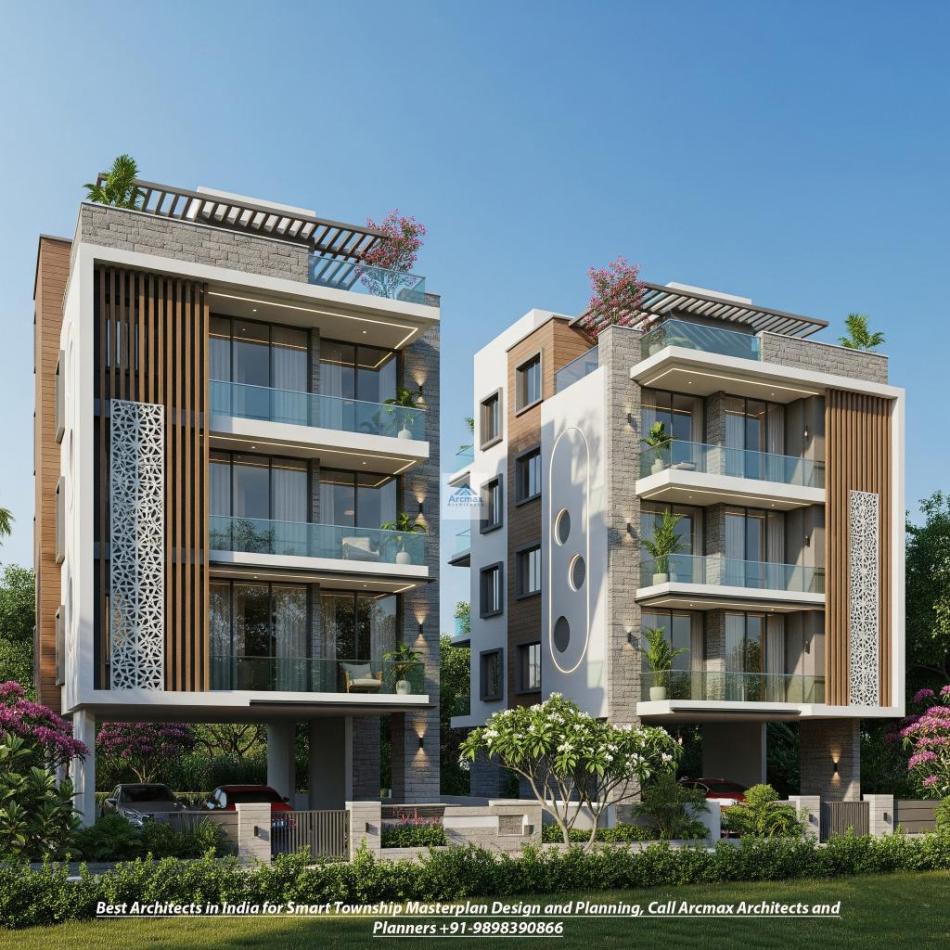
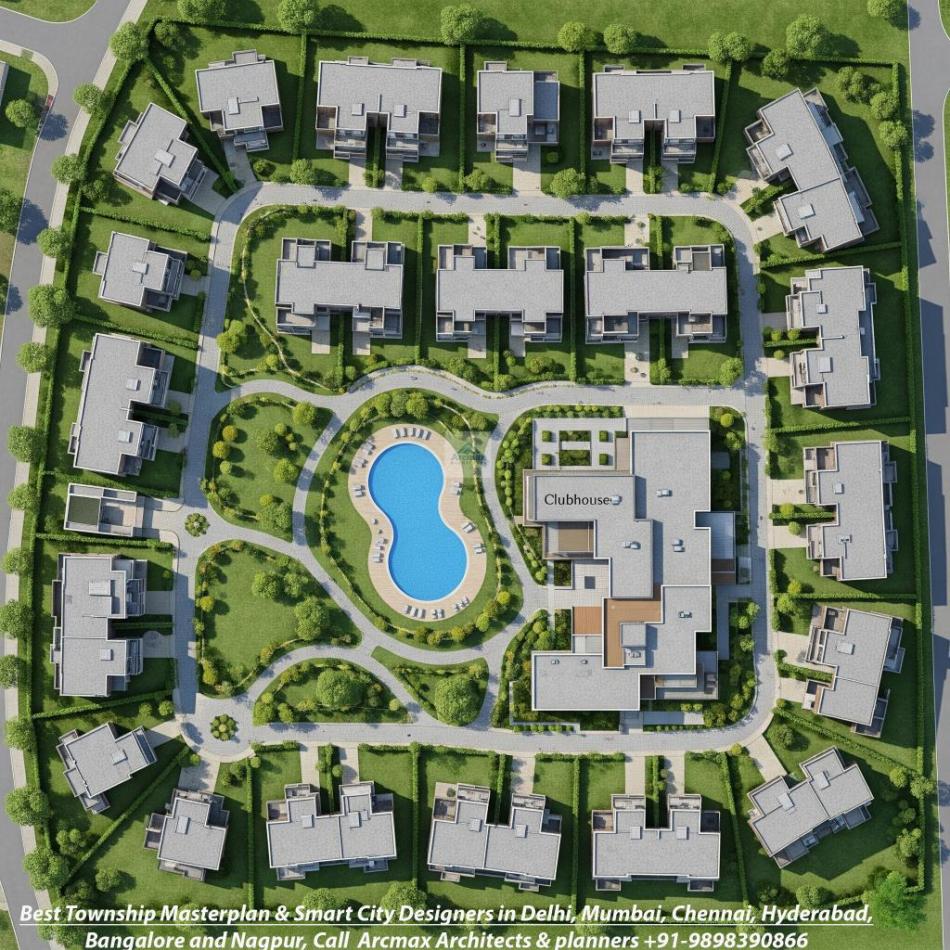
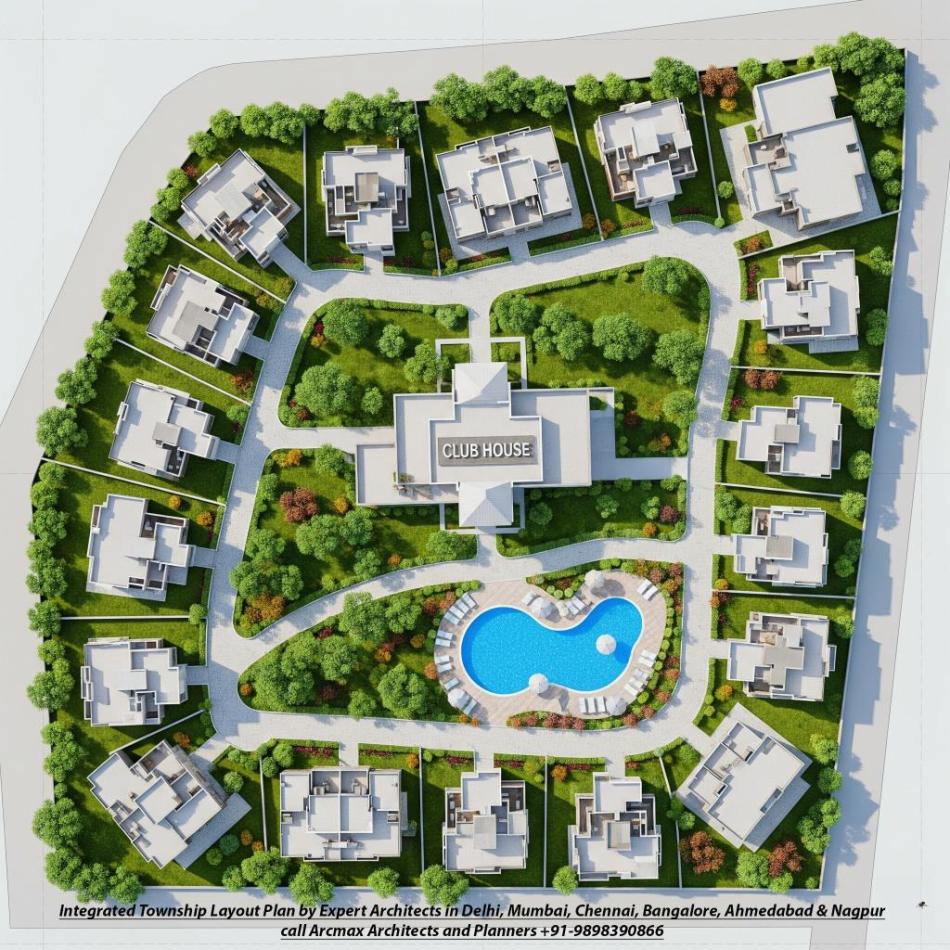
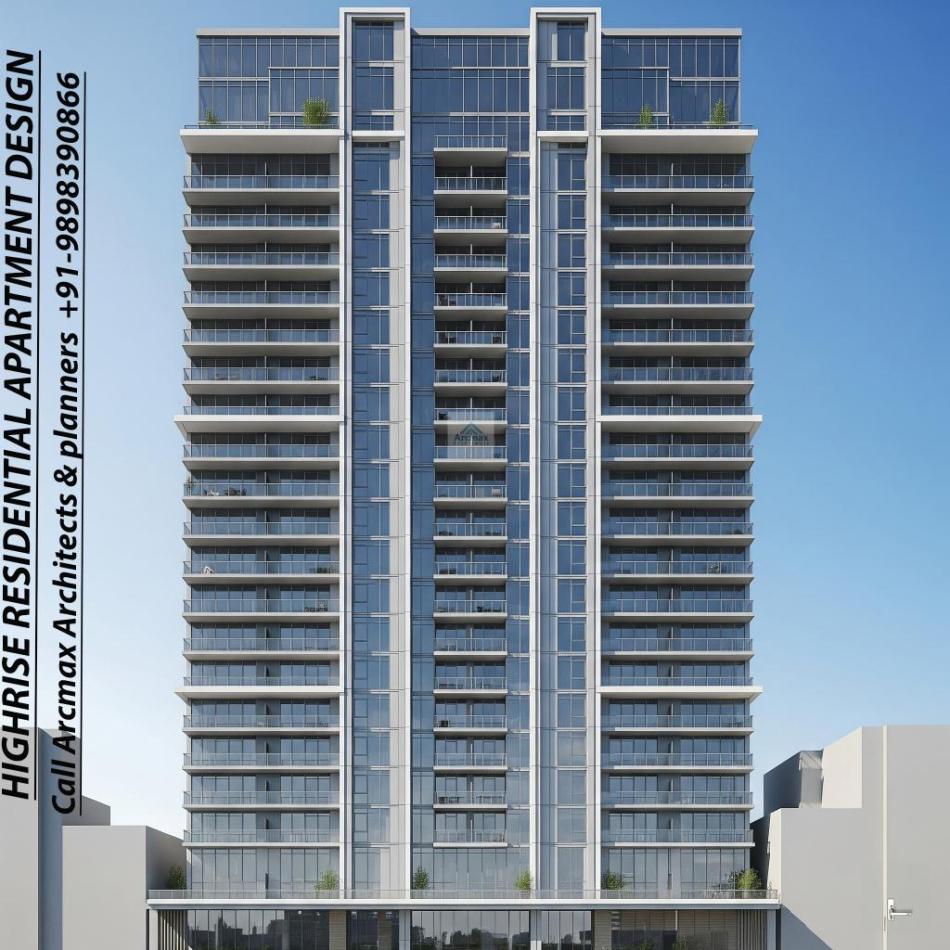
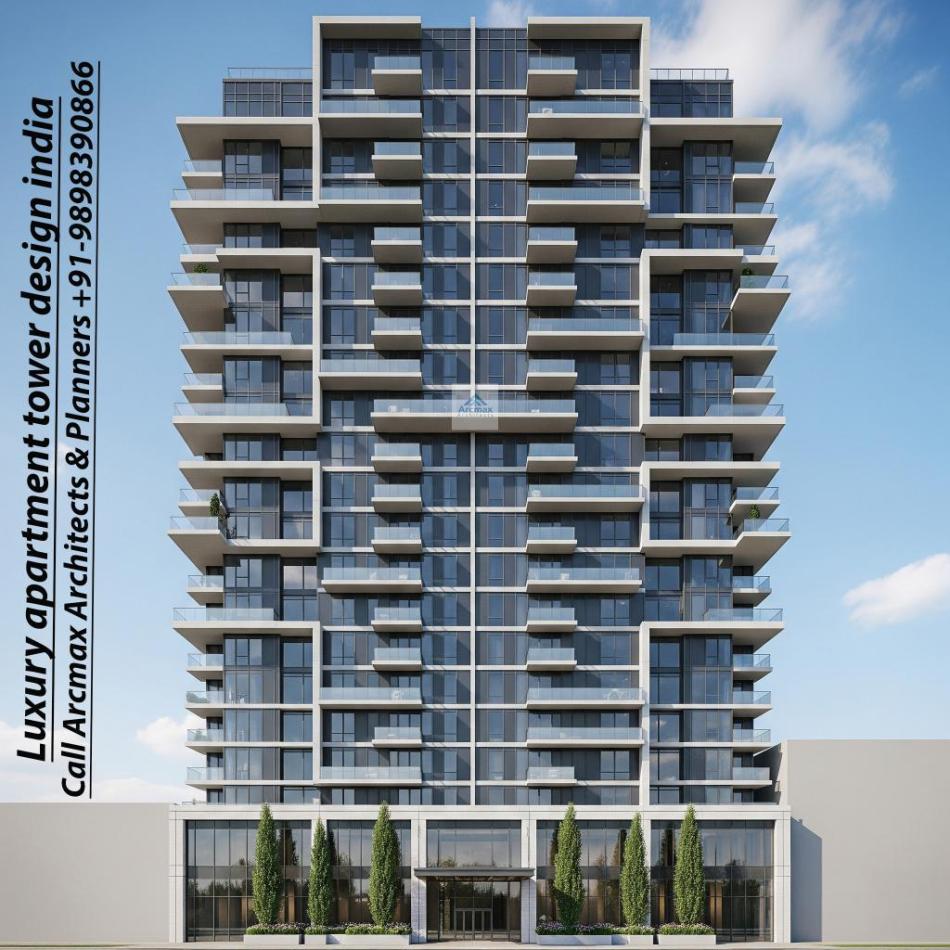
Integrated Township Layout Plan by Expert Architects in Delhi, Mumbai, Chennai, Bangalore, Ahmedabad & Nagpur
Integrated Township Layout Plan by Expert Architects in Delhi, Mumbai, Chennai, Bangalore, Ahmedabad & Nagpur, Call Arcmax Architects +91-9898390866
Arcmax Architects & Planners are among the leading township architects in India, delivering integrated layout plans that blend sustainability, comfort, and smart urban living. From Delhi to Nagpur, Mumbai to Chennai, Arcmax Architects create future-ready townships with world-class master planning expertise. Trusted by developers across India and abroad, Arcmax Architects & Planners specialize in residential, commercial, and mixed-use township design. Whether you need a modern township layout in Ahmedabad or a smart city plan in Bangalore, Arcmax offers innovative, eco-friendly, and functional solutions. With expertise in urban design, zoning, and sustainable infrastructure, Arcmax Architects & Planners bring your integrated township vision to life.
The concept of integrated townships has rapidly gained popularity in India as cities expand and people look for self-sufficient communities that provide convenience, safety, and modern lifestyles. Unlike standalone housing societies, an integrated township layout plan is designed to bring together residential, commercial, educational, healthcare, recreational, and infrastructural facilities in one master-planned ecosystem. Expert architects in Delhi, Mumbai, Chennai, Bangalore, Ahmedabad, and Nagpur are driving this transformation by blending urban planning principles with sustainable design practices.
This article explores the fundamentals of integrated township planning, the role of architects, regional approaches in major Indian cities, and the key elements that define a successful township master plan.
What is an Integrated Township Layout Plan?
An integrated township layout plan is a large-scale, master-planned development that includes all essential components of urban living. The idea is to create a “city within a city,” reducing the need for residents to travel long distances for daily needs.
A typical integrated township may include:
Residential apartments, villas, and plots
Commercial complexes and office spaces
Schools, colleges, and training institutes
Hospitals and healthcare centers
Shopping malls, retail outlets, and markets
Parks, green belts, and open recreational spaces
Clubhouses, sports arenas, and fitness centers
Roads, internal transport, and parking facilities
Sustainable infrastructure (rainwater harvesting, solar energy, waste management)
The goal is to ensure that residents enjoy a holistic lifestyle where work, education, healthcare, shopping, and entertainment are easily accessible within the township.
The Role of Expert Architects in Township Planning
Township design is not just about constructing buildings—it is about planning communities. Architects play a pivotal role in balancing functionality, aesthetics, sustainability, and comfort. Their responsibilities include:
Master Planning & Zoning
Architects create zoning layouts to separate residential, commercial, institutional, and recreational areas while ensuring smooth connectivity.Traffic & Circulation Design
Wide internal roads, pedestrian pathways, cycle tracks, and efficient parking layouts are integrated to avoid congestion.Sustainability Focus
Townships are designed with eco-friendly systems like solar panels, rainwater harvesting, green roofs, and sewage treatment plants.Community-Centric Approach
Spaces such as clubhouses, parks, and cultural centers encourage social interaction, making the township a vibrant living space.Scalability & Future Expansion
Architects ensure that the township can expand over time without disturbing the existing ecosystem.
Integrated Township Planning in Major Indian Cities
1. Delhi
Delhi’s rapid urbanization and population density make township planning a necessity. Architects here focus on efficient land utilization, vertical housing solutions, and green buffers to counter pollution. Integrated townships in Delhi often emphasize connectivity with the Metro, eco-parks, and mixed-use developments.
2. Mumbai
With limited land availability and high real estate demand, Mumbai’s townships are planned as vertical communities with high-rise apartments, rooftop gardens, and compact but functional layouts. Proximity to business hubs and seamless connectivity via highways, suburban rail, and Metro lines are key design considerations.
3. Chennai
Township architects in Chennai prioritize climate-responsive designs, incorporating shaded walkways, natural ventilation, and water-sensitive planning. With the city facing water scarcity, sustainable solutions like rainwater harvesting lakes, desalination integration, and water recycling plants are common.
4. Bangalore
Known as India’s IT hub, Bangalore requires technology-enabled smart townships. Architects here focus on incorporating IoT-based security systems, automated waste management, and green mobility options such as EV charging stations and dedicated cycling tracks.
5. Ahmedabad
Ahmedabad has a strong tradition of combining modern design with cultural elements. Township architects here focus on affordable housing with community amenities, wide roads, and sustainable solutions suited to hot and dry climates. Use of courtyards, shaded verandas, and energy-efficient materials is common.
6. Nagpur
As a growing smart city, Nagpur offers vast land opportunities for large integrated townships. Architects design eco-friendly layouts with wide green belts, lakeside developments, and township-scale solar power plants. With MIHAN (Multi-modal International Cargo Hub and Airport at Nagpur) driving growth, integrated township projects are seeing rapid demand.
Key Elements of a Successful Integrated Township Layout Plan
Strategic Location – Proximity to highways, airports, railways, and major employment hubs.
Balanced Zoning – Clearly defined residential, commercial, healthcare, and recreational zones.
Green Infrastructure – Parks, landscaped gardens, jogging tracks, and eco-friendly systems.
Safety & Security – Gated communities, CCTV surveillance, and digital security features.
Transport Network – Internal shuttle buses, EV-friendly infrastructure, and walkable layouts.
Future-Ready Design – Scalability for future population and infrastructure growth.
Affordable & Luxury Mix – Offering both budget-friendly housing and premium villas/apartments to cater to diverse income groups.
Benefits of Integrated Township Living
Convenience: Everything is available within walking distance.
Community Living: Residents enjoy a strong sense of belonging and social interaction.
Time Savings: Reduced commuting means more personal and family time.
Sustainability: Energy-efficient systems reduce environmental impact.
Higher ROI: Townships often see better appreciation in property value compared to standalone projects.
Why Choose Expert Architects in Delhi, Mumbai, Chennai, Bangalore, Ahmedabad & Nagpur?
Each of these cities presents unique geographical, cultural, and infrastructural challenges. Expert architects with experience in township planning bring the ability to blend global design standards with local requirements. Whether it’s high-rise apartments in Mumbai, IT-driven layouts in Bangalore, or climate-sensitive planning in Chennai, their expertise ensures that every township is future-ready, sustainable, and community-focused.
For developers and investors, partnering with an experienced township architect ensures:
Better design efficiency
Regulatory compliance
Higher marketability of projects
Long-term sustainability
Enhanced lifestyle for residents
An Integrated Township Layout Plan is not just a blueprint—it is a vision of future living. With India’s growing urban population and rising demand for self-sufficient communities, architects in Delhi, Mumbai, Chennai, Bangalore, Ahmedabad, and Nagpur are at the forefront of designing innovative, sustainable, and human-centric townships.
These projects are shaping the future of Indian cities by creating smarter, greener, and more connected communities where people can live, work, learn, and thrive. For developers and homebuyers alike, integrated township living represents the perfect balance of modernity and tradition, convenience and sustainability.
Click To see images in full width




Want a Quotation please fill the form
 Subscribe Our whatsapp Channel to View Our Latest Design Projects