Bakeri City, Pincode: 380015 Ahmedabad, Gujarat, India,
244 Madison Avenue, New York, United States


Our Client






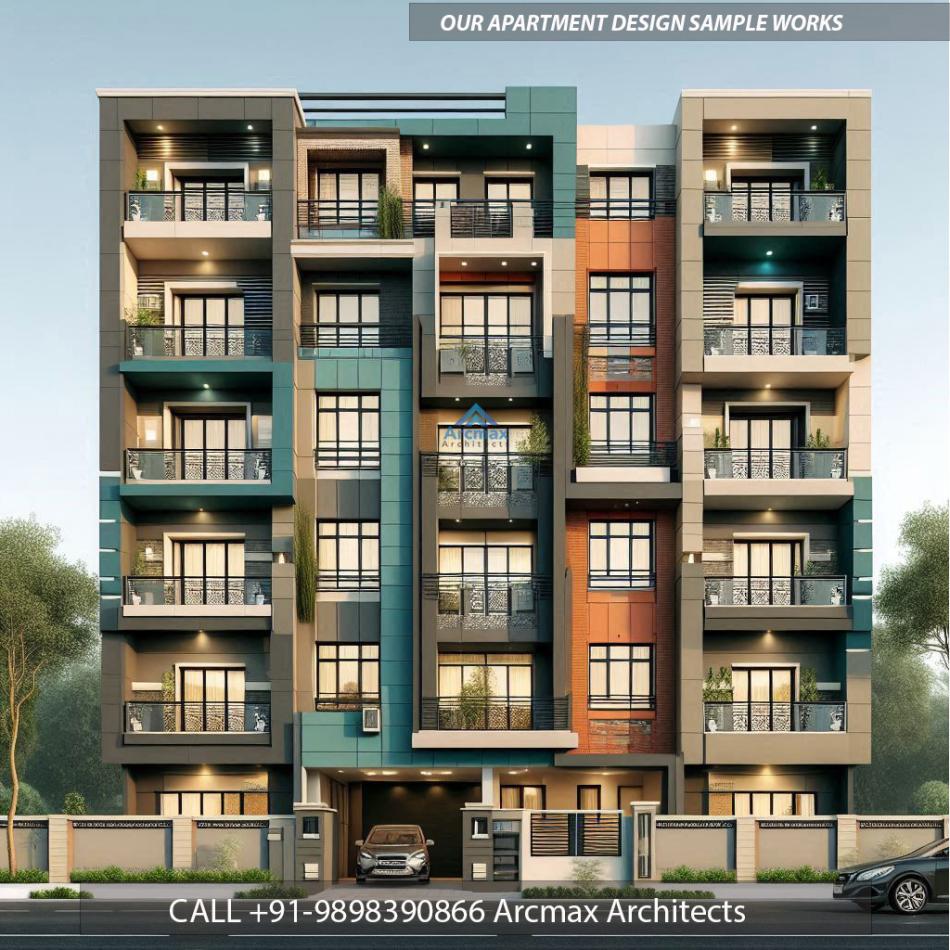
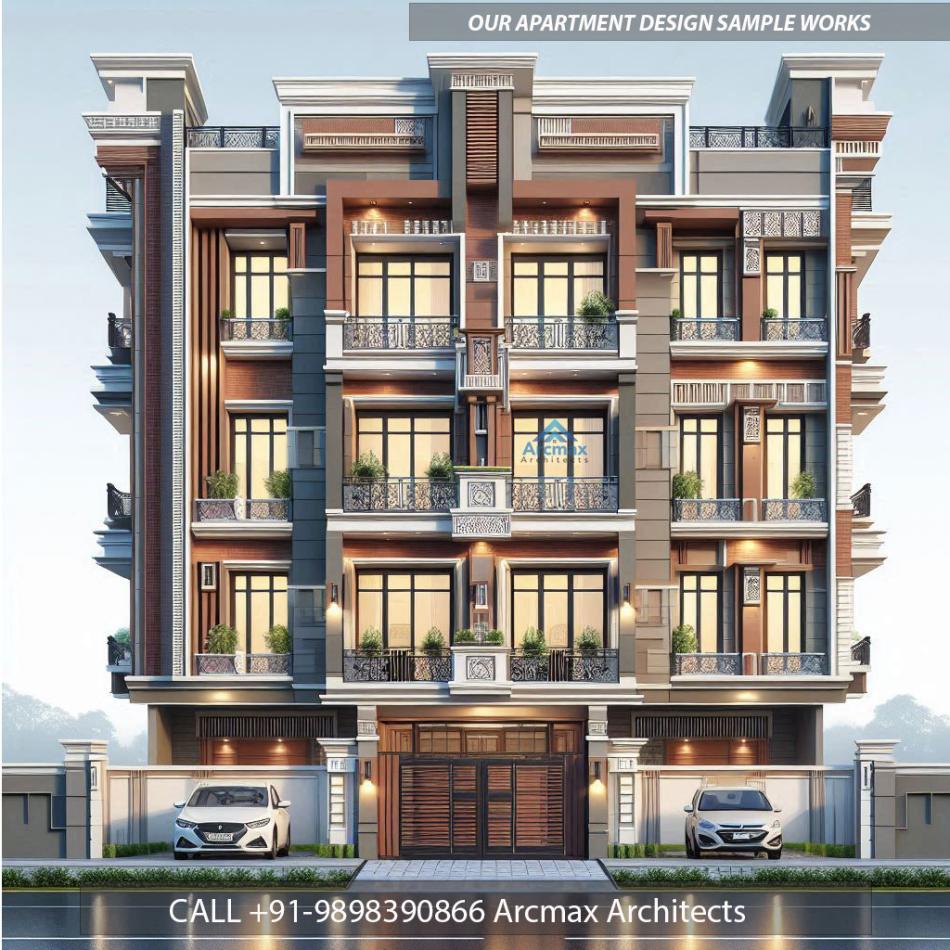
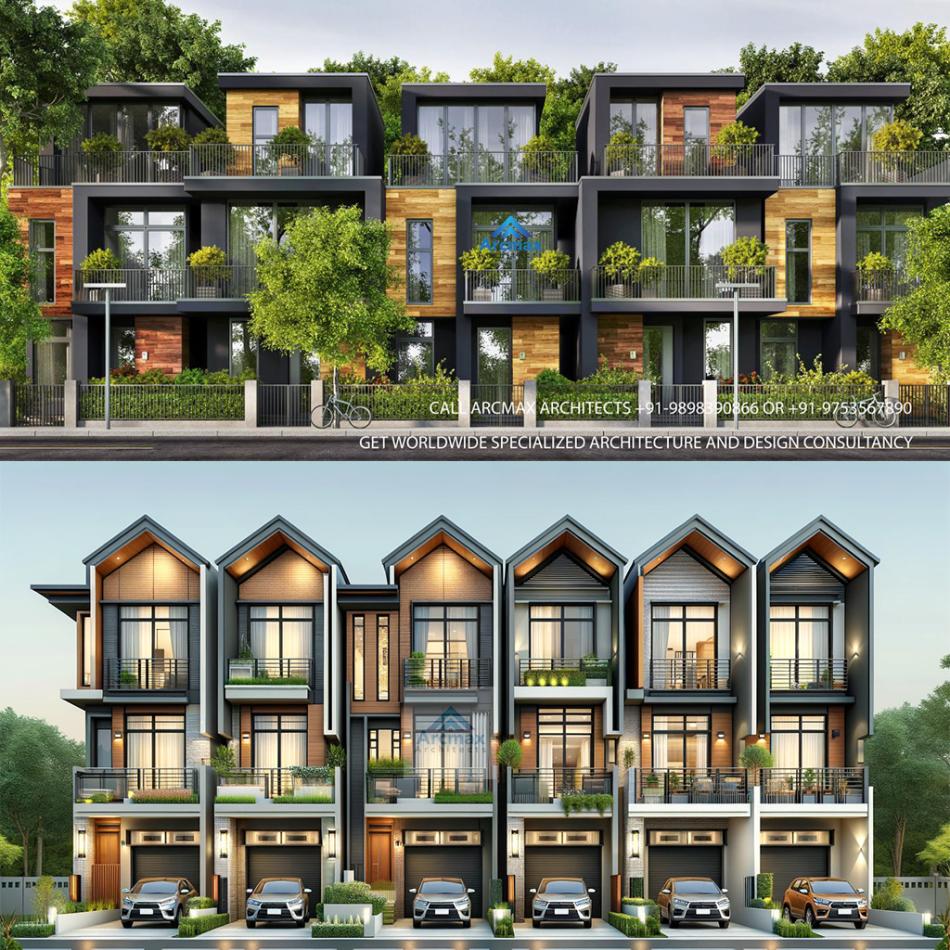
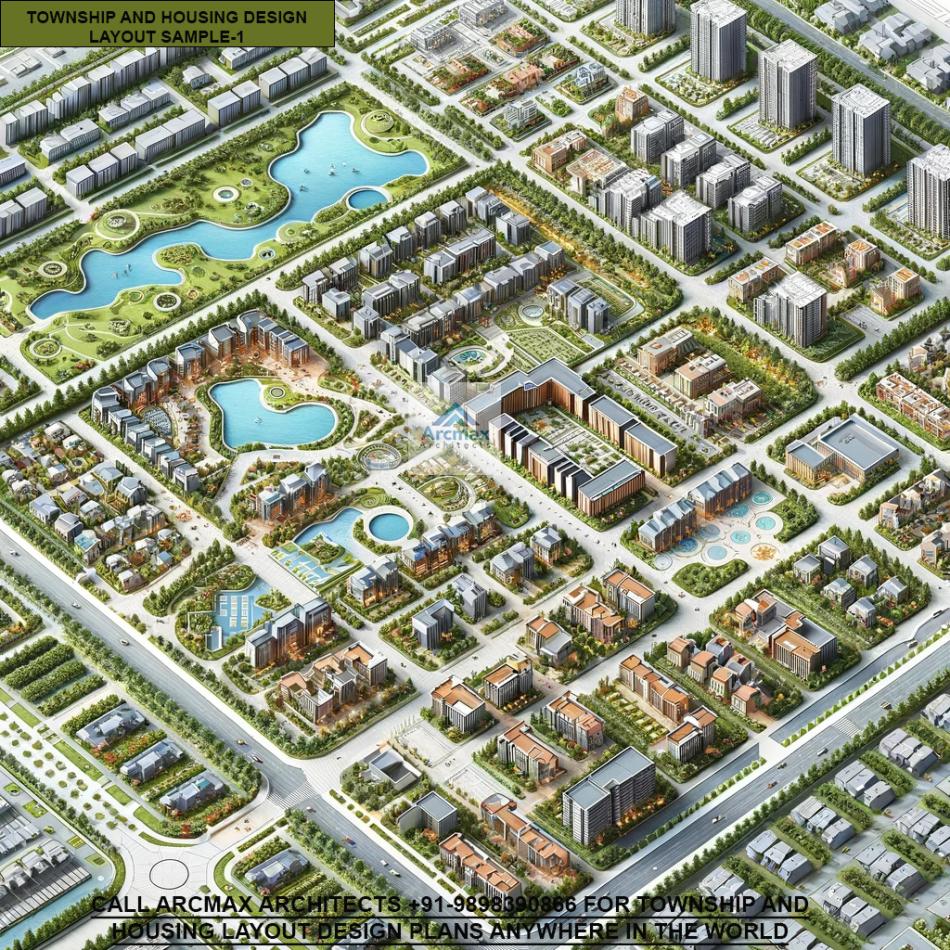
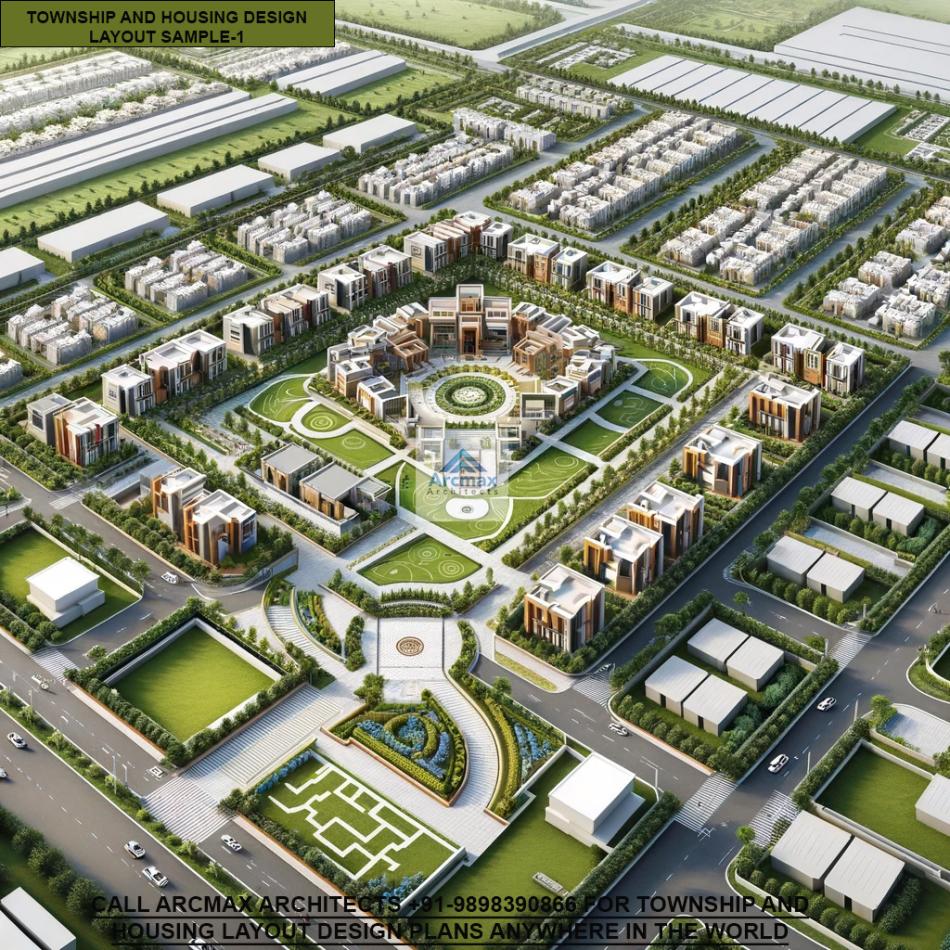

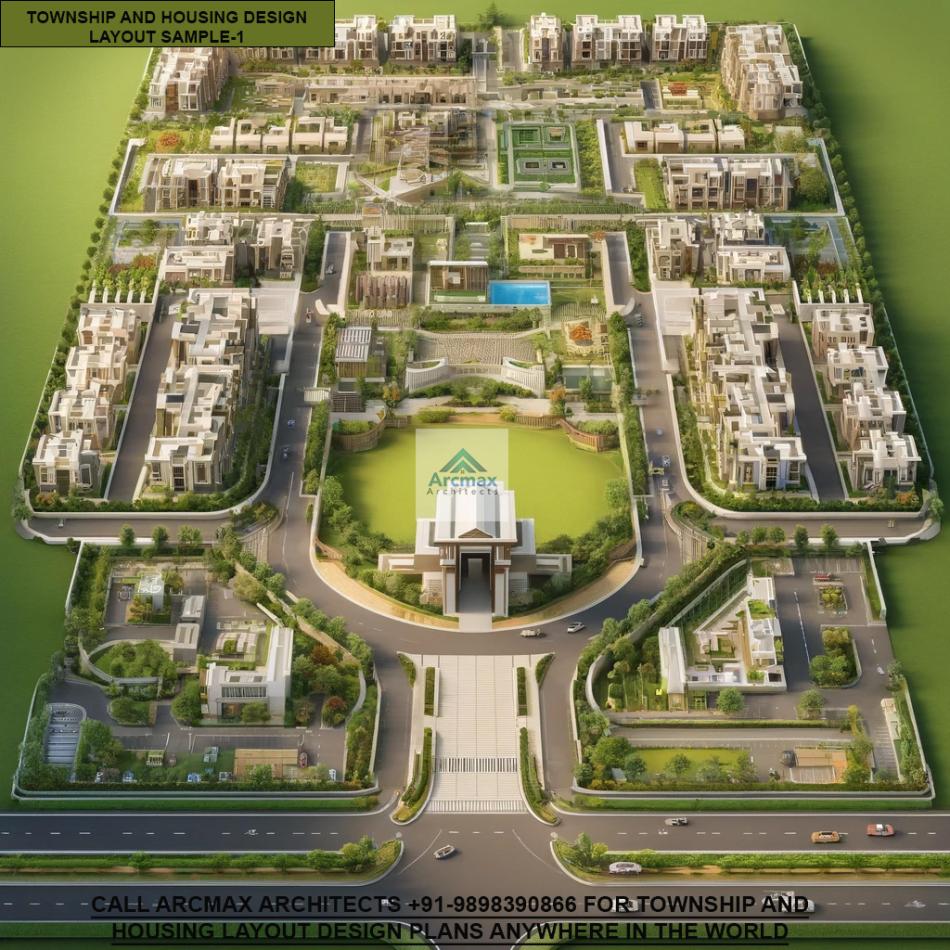
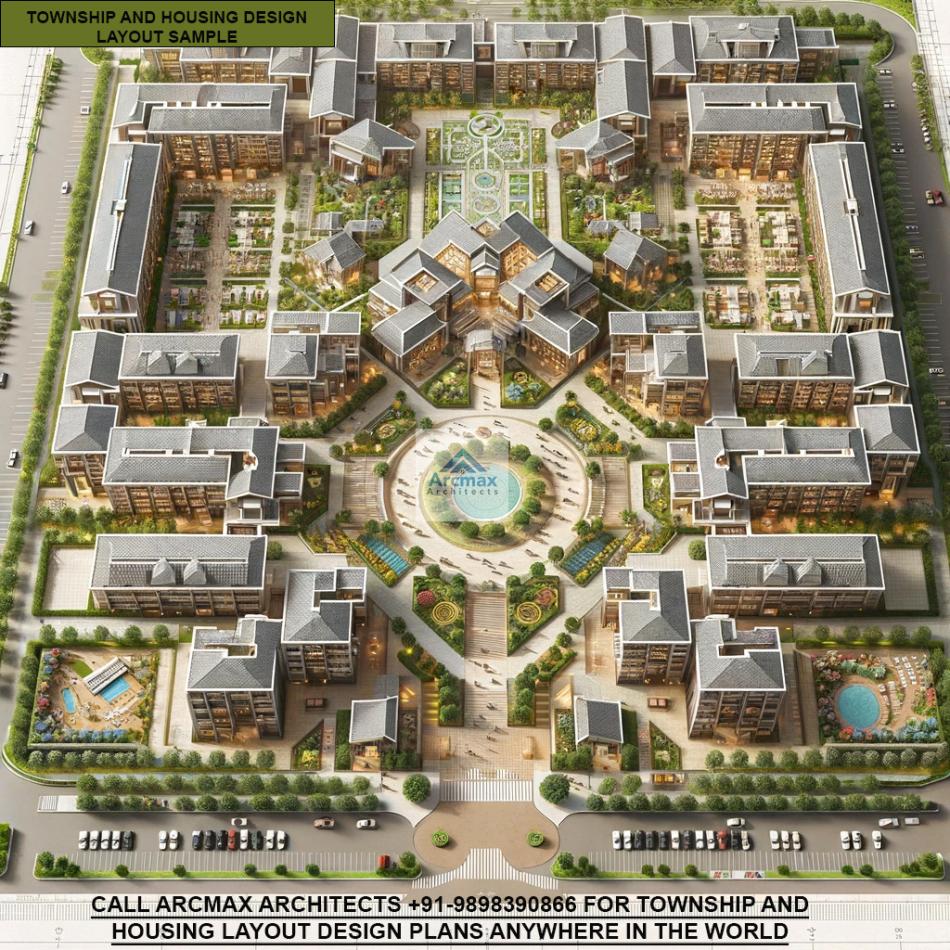
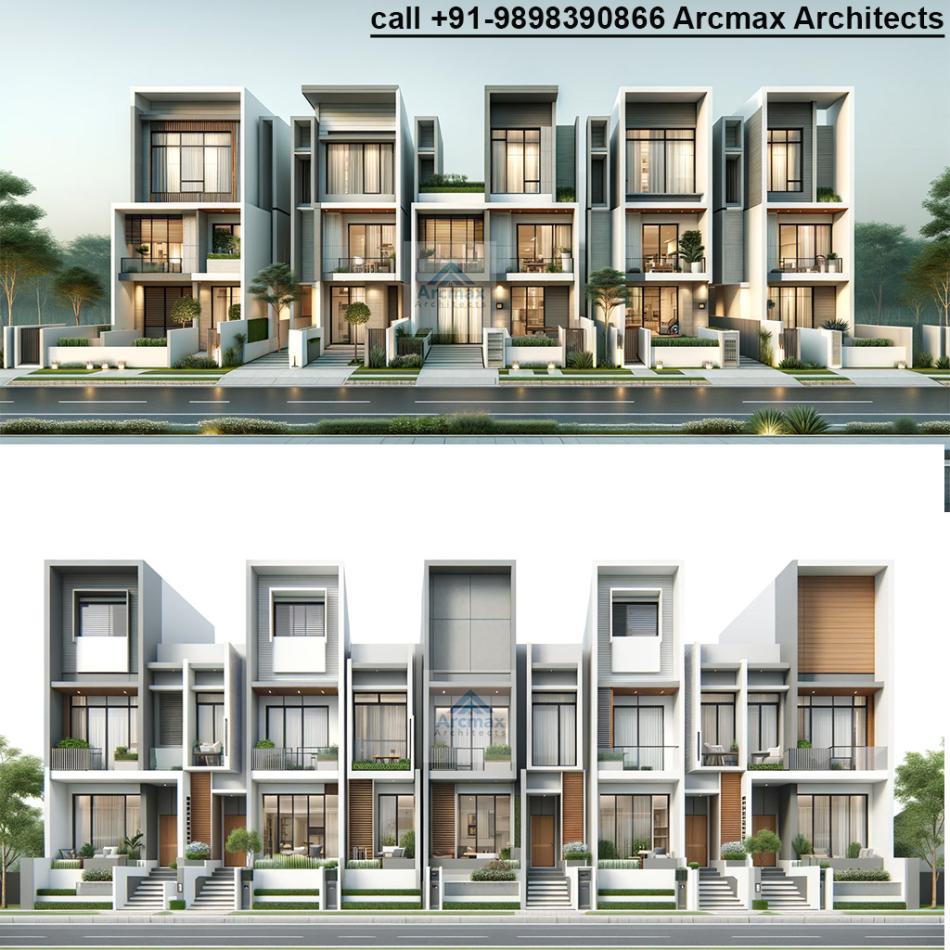
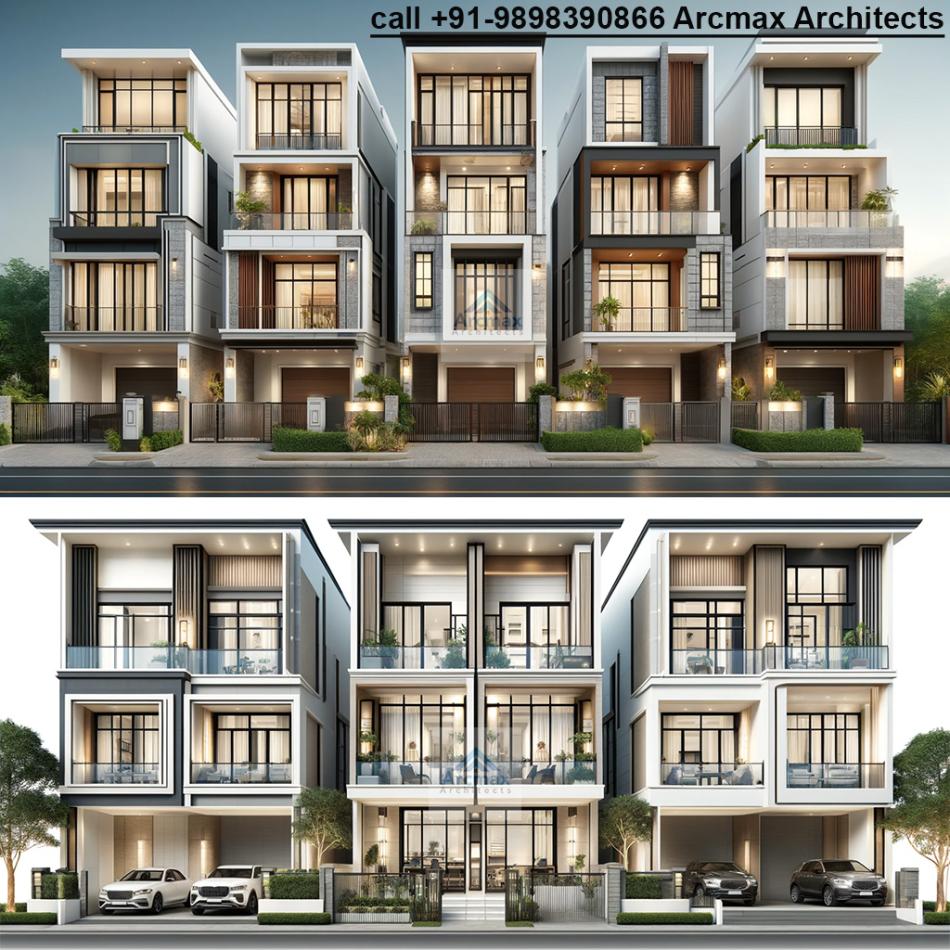
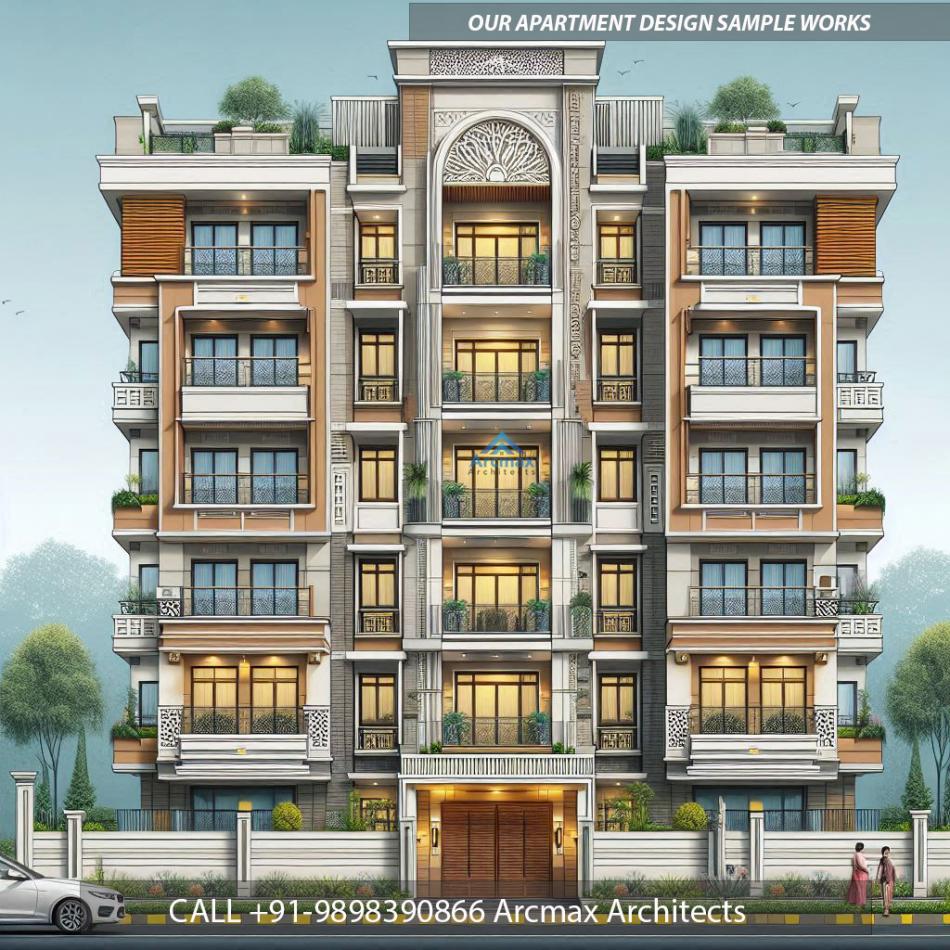
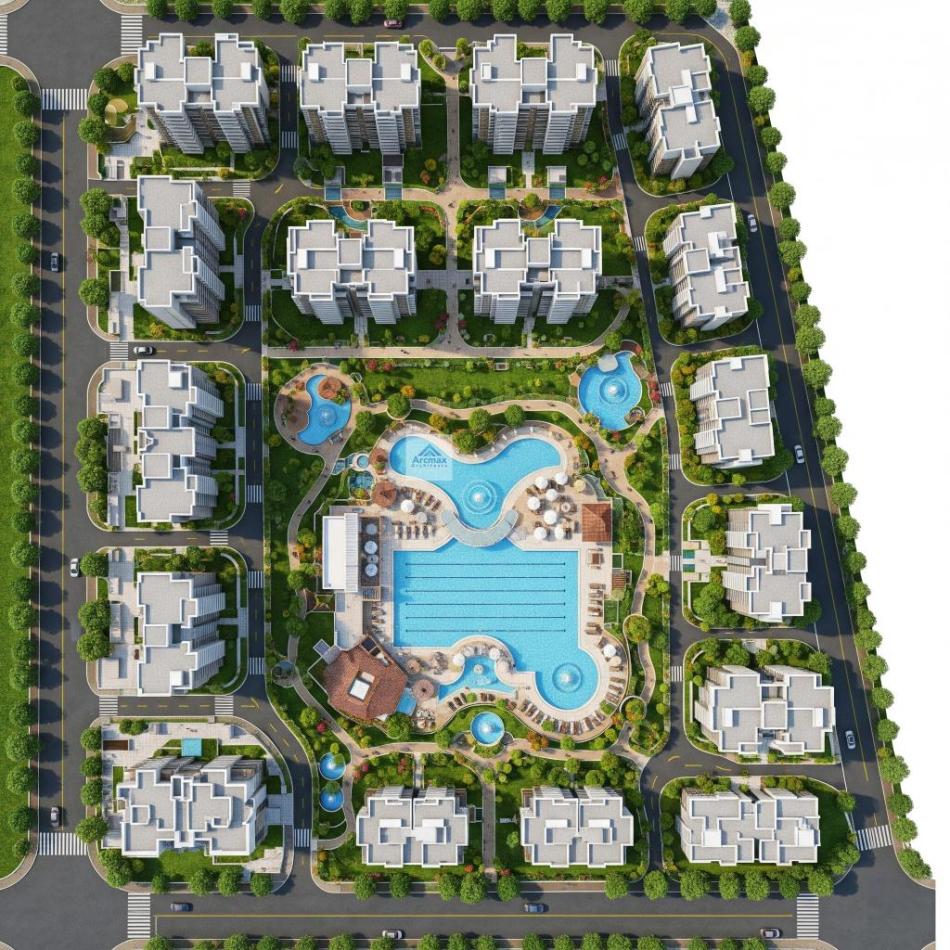
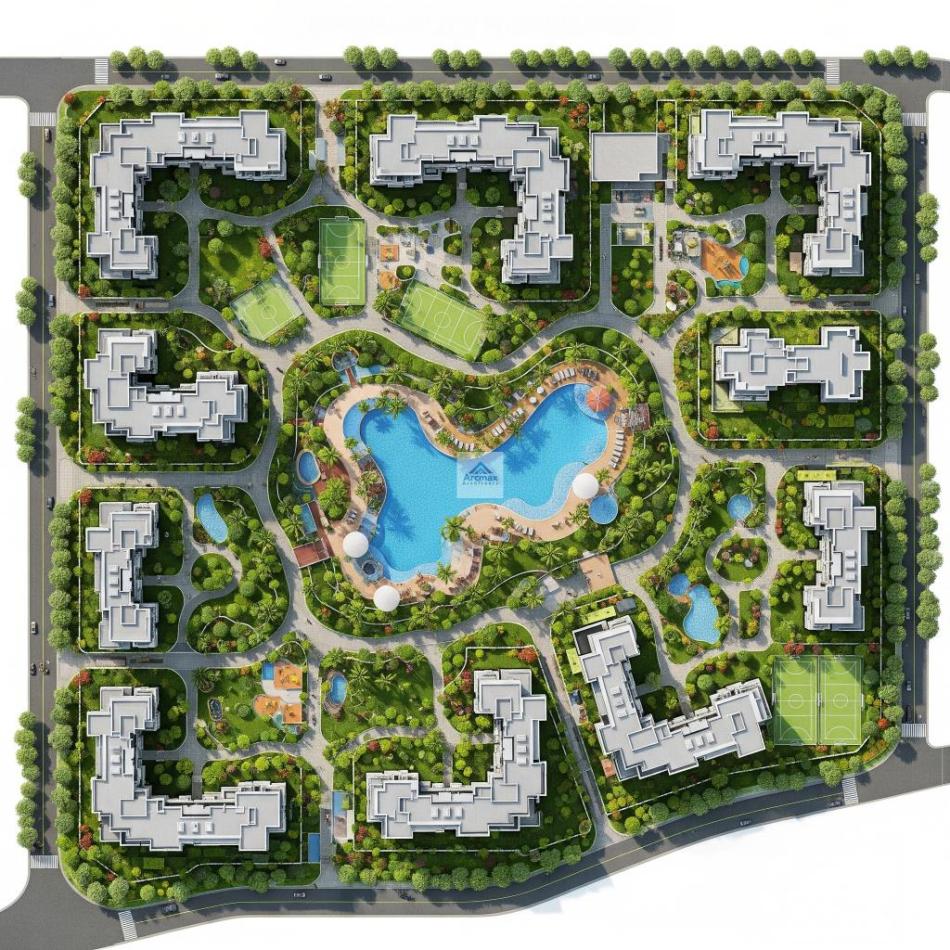
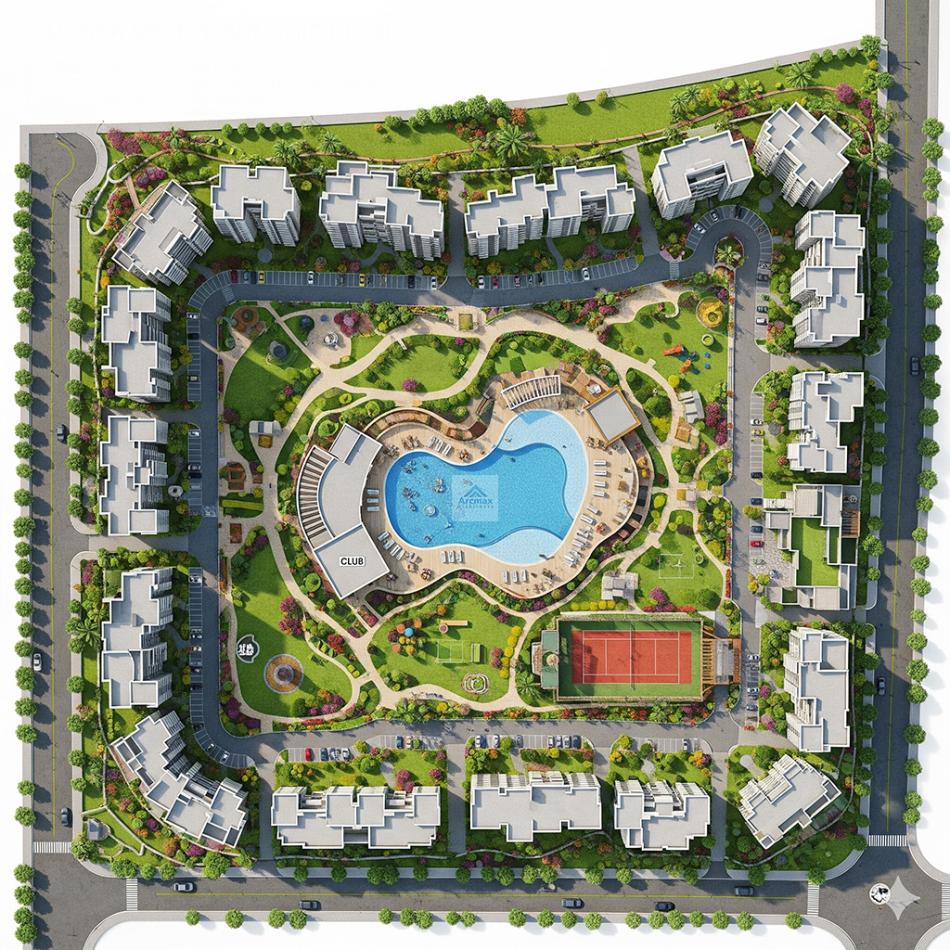
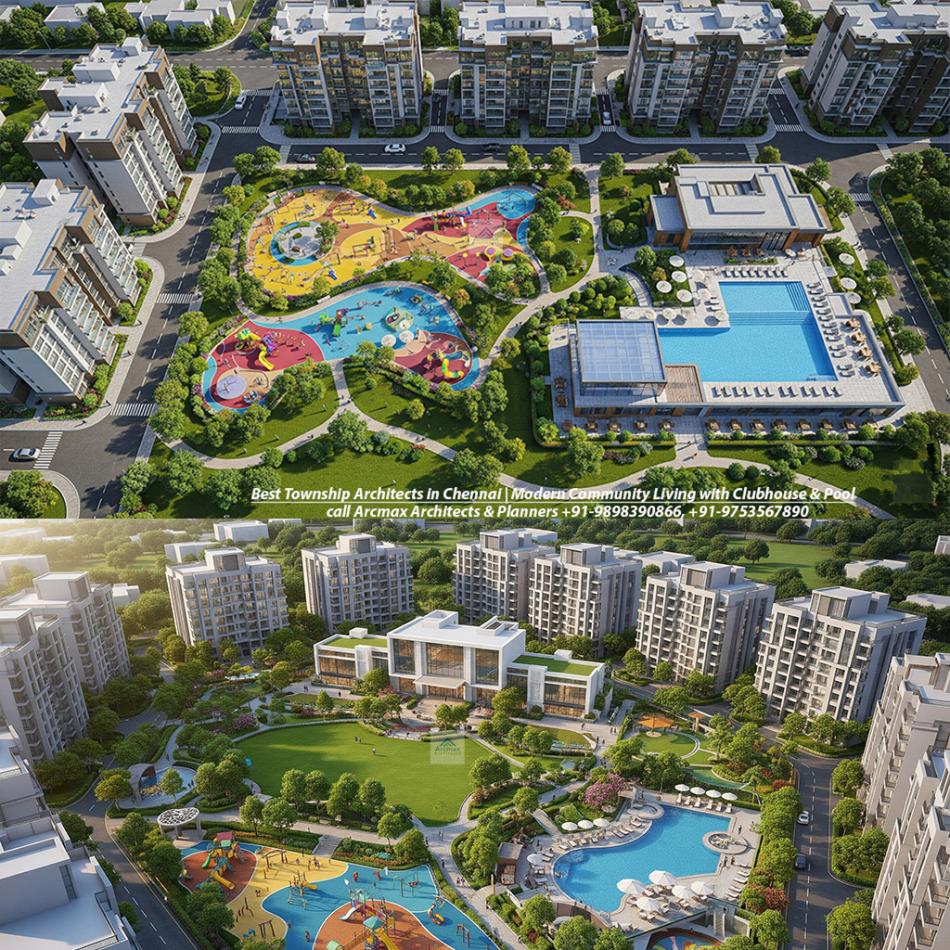
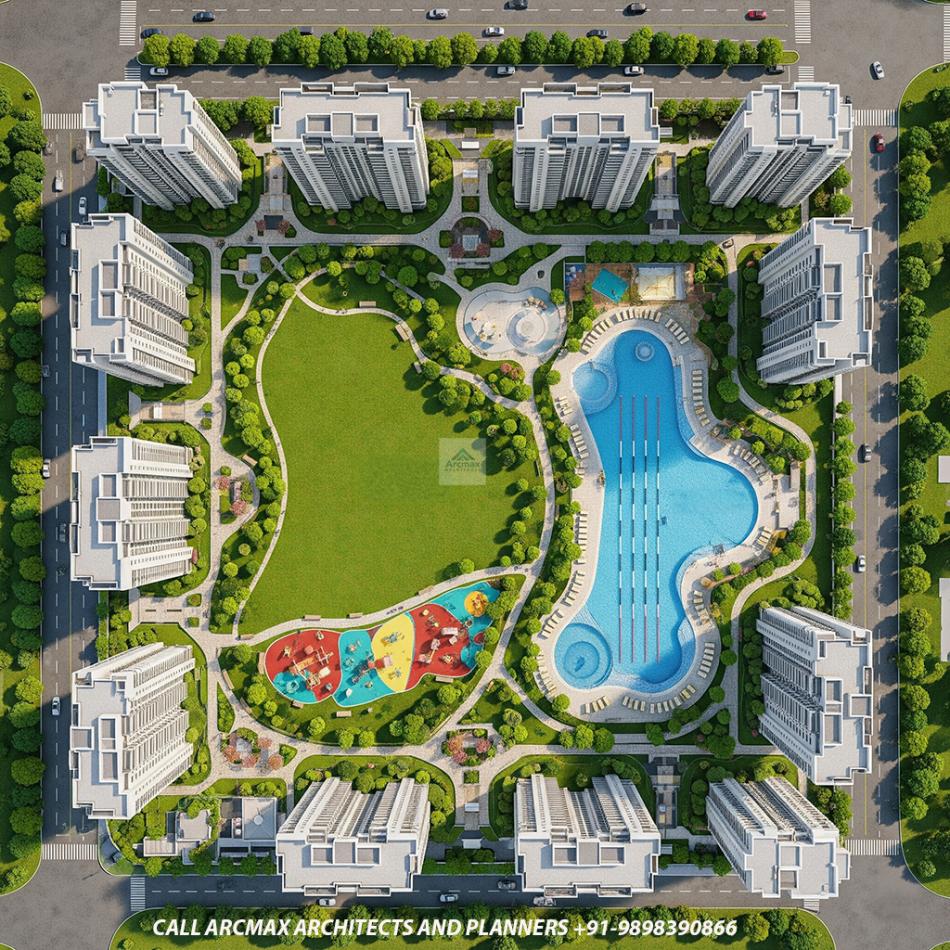
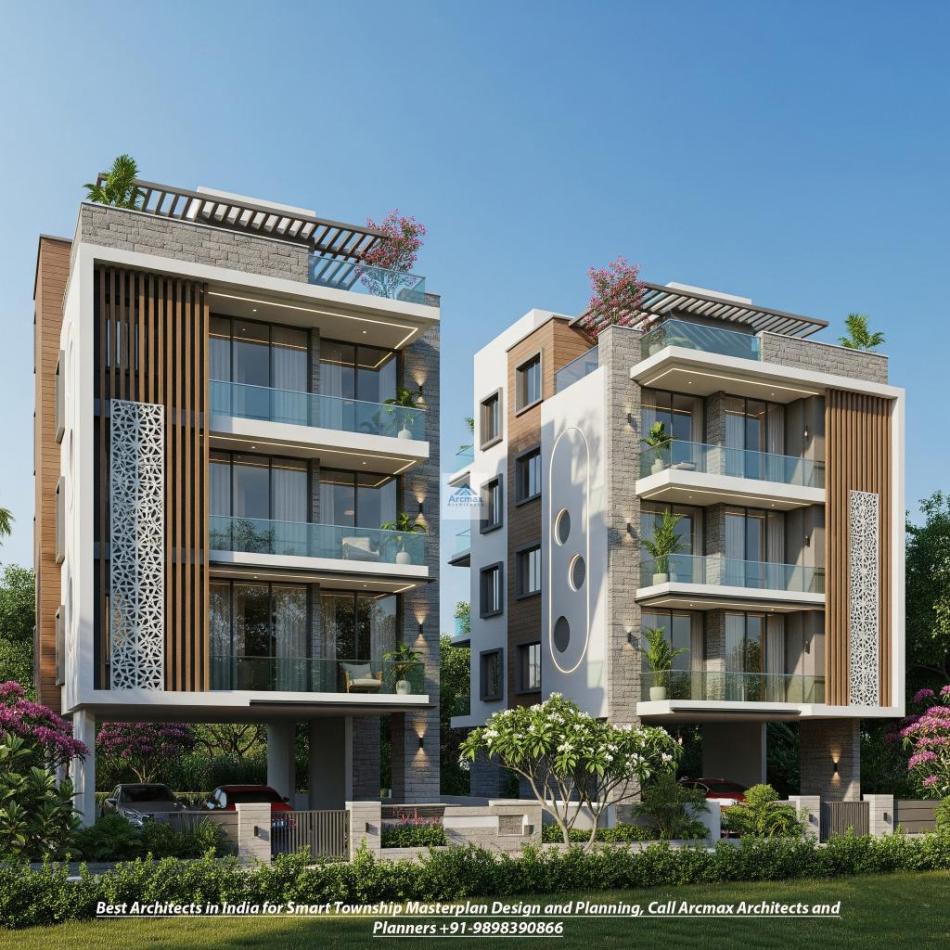
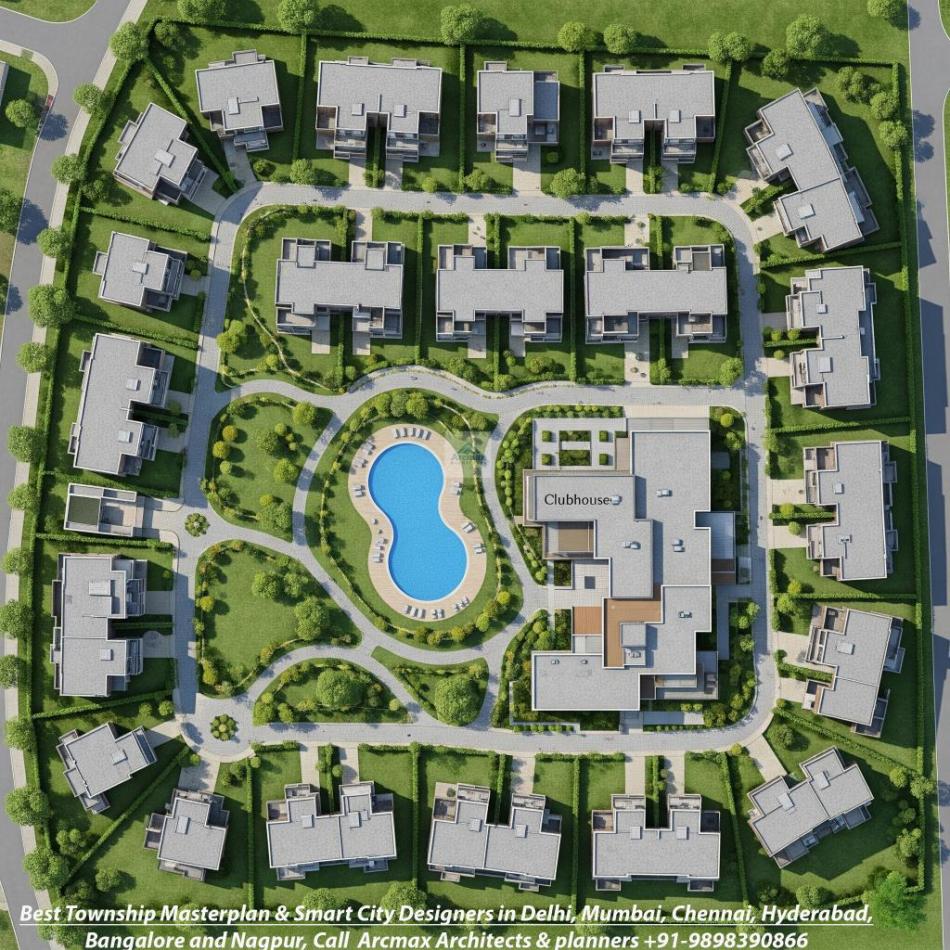
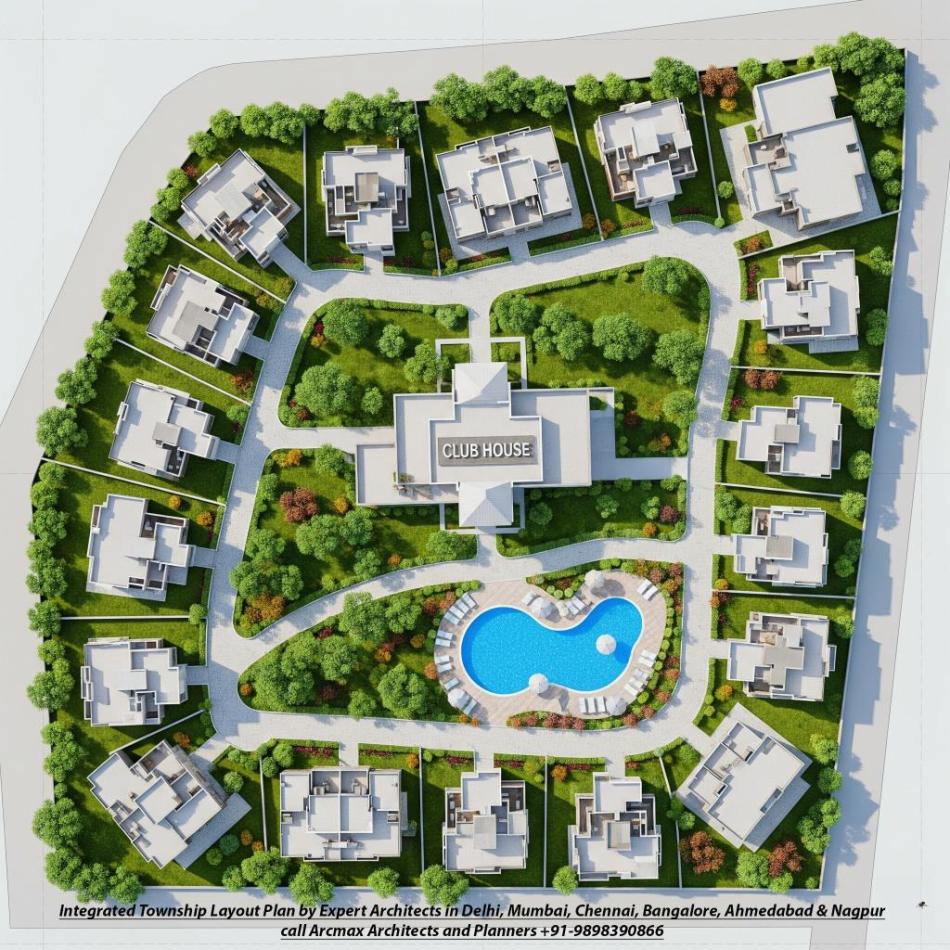
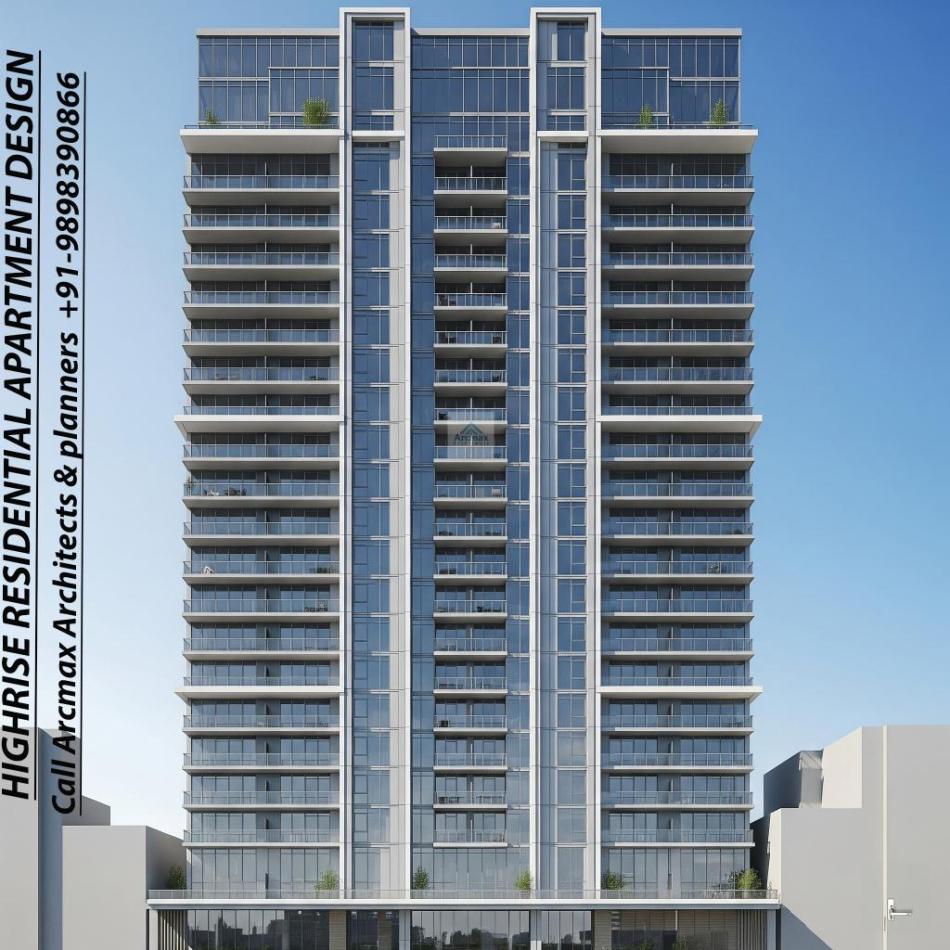
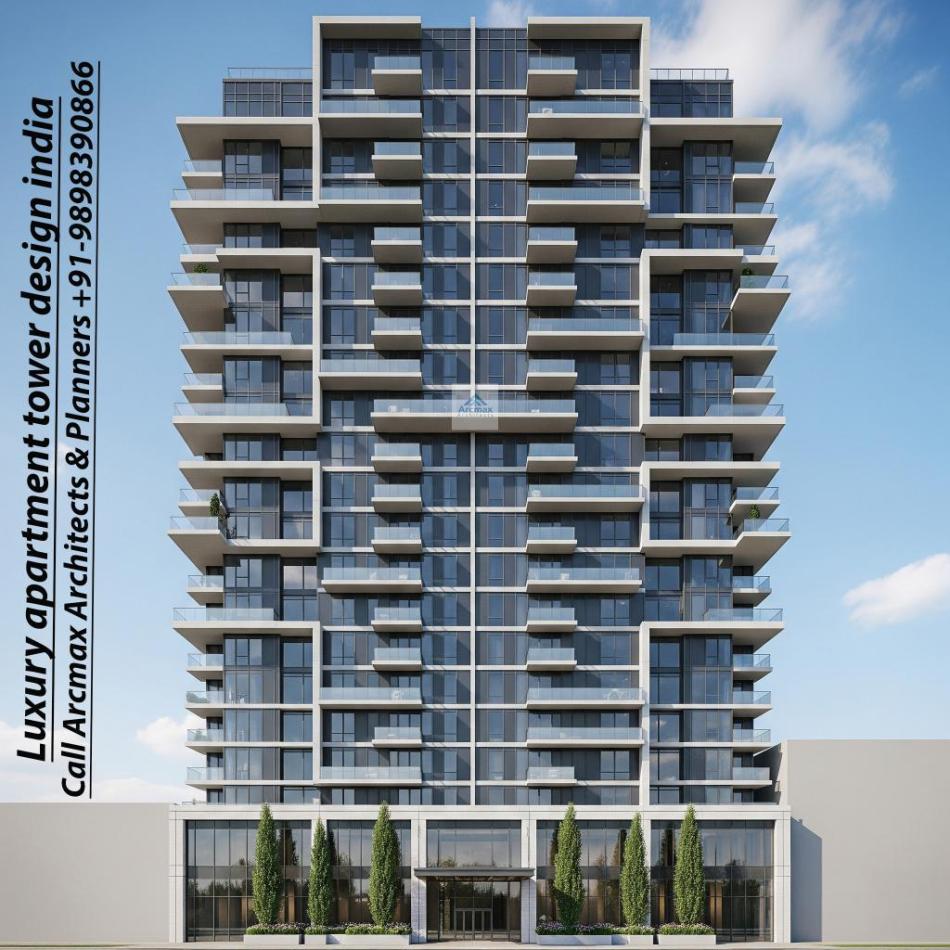
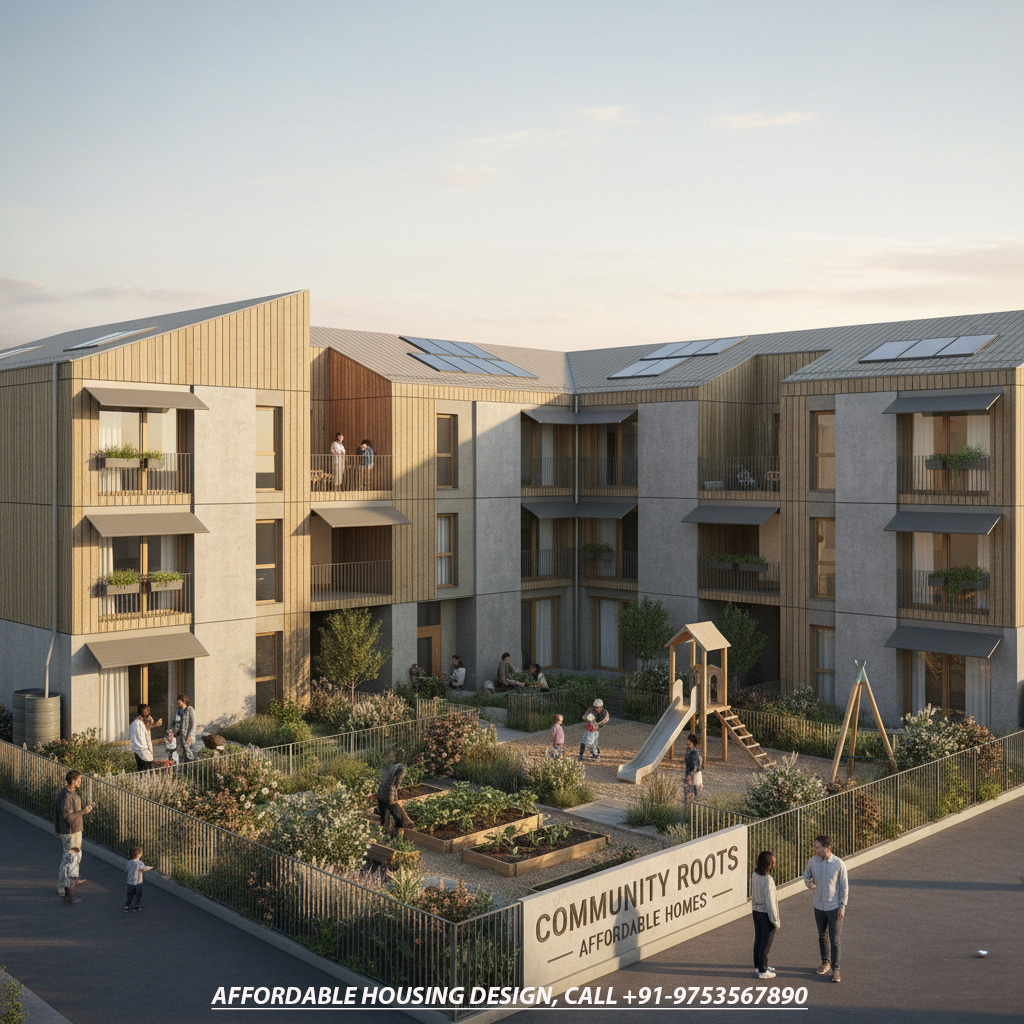
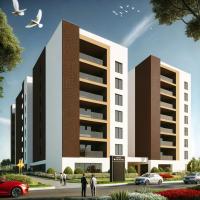
Affordable house design
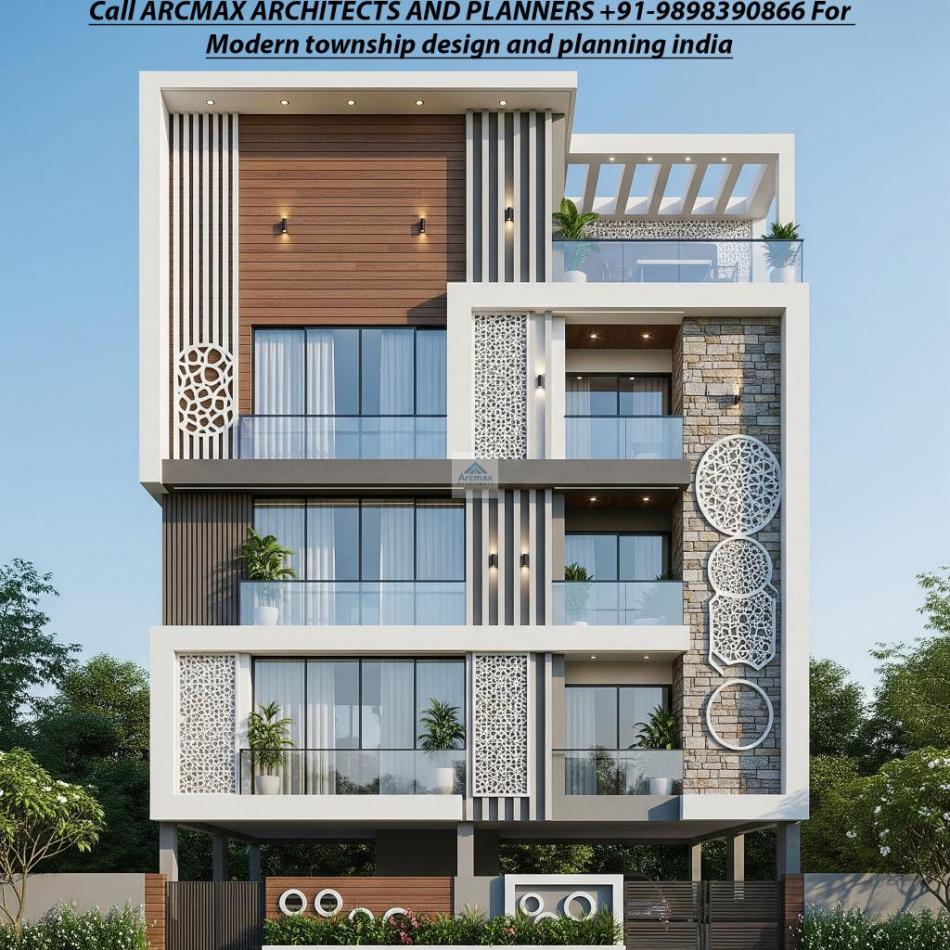
Affordable house design: By Arcmax Architects and Planners, Call +91-9898390866
Looking for Best architects for Affordable house design and planning in India ? Hire Arcmax Architects and Planners and Get specialized architecture and design services for Affordable house design in Ahmedabad, delhi, Mumbai, chennai, bangalore, pune, nagpur, indore, bhopal, raipur and anywhere in India
Affordable House Design: Smart, Stylish, and Budget-Friendly Homes
Designing and building a home is one of life’s most important investments. Yet for many families, the rising cost of construction, land, and interiors often makes it seem out of reach. This is where affordable house design plays a crucial role. With the right architectural planning, material choices, and energy-efficient features, homeowners can achieve a dream home that is stylish, functional, and within budget.
In this detailed guide, we’ll explore the principles, strategies, and examples of low-cost house design, ensuring that affordability does not mean compromising on comfort, aesthetics, or sustainability.
What is Affordable House Design?
Affordable house design refers to residential architecture that balances cost-effectiveness with functionality, durability, and aesthetics. It emphasizes smart planning, sustainable building practices, and the use of locally available materials. The goal is to create a budget-friendly house that serves the needs of a family while minimizing construction and maintenance costs.
Key aspects of affordable design include:
Optimized floor layouts that reduce wasted space.
Economical building materials like fly ash bricks, hollow blocks, or stabilized mud blocks.
Energy-efficient solutions such as natural lighting, ventilation, and solar integration.
Scalable and modular house plans that can expand as the family grows.
Why Affordable Homes Are in High Demand
Rising Construction Costs – Global inflation in cement, steel, and labor drives homeowners to look for cost-effective alternatives.
Urbanization and Limited Land – In cities, compact and small house designs are essential to make the most of limited plots.
Sustainability Awareness – Many families prefer eco-friendly low budget homes that reduce electricity bills and carbon footprint.
First-Time Buyers – Young professionals and small families are increasingly searching for budget house plans as an entry point into property ownership.
Principles of Affordable House Design
1. Smart Floor Planning
A compact, efficient floor plan is the foundation of cost savings. Architects focus on eliminating unused corridors, designing multi-purpose rooms, and maximizing usable square footage. For example, combining living and dining areas or designing open kitchens reduces construction costs without reducing functionality.
2. Local and Economical Materials
Affordable homes benefit from materials that are both cost-effective and durable. Options include:
Fly Ash Bricks – Cheaper than clay bricks and more eco-friendly.
Hollow Concrete Blocks – Provide insulation and reduce structural costs.
Stabilized Mud Blocks – Locally available and sustainable.
Bamboo and Timber – Popular in rural and tropical regions for low-cost house designs.
3. Simple Structural Design
Avoiding unnecessary complexity in elevations, facades, or roofing can cut costs dramatically. Flat roofs, rectangular layouts, and simple forms reduce the use of steel and concrete.
4. Energy Efficiency
Designing for natural lighting, ventilation, and shading reduces electricity bills long-term. Installing solar panels and rainwater harvesting systems make affordable house design sustainable.
5. Modular and Expandable Design
Affordable homes can be built in phases. For instance, start with a 2 BHK budget house plan, and expand into a 3 BHK or 4 BHK design as finances grow.
Affordable House Design Styles
1. Modern Minimalist Homes
Focus on clean lines, simple forms, and open layouts.
Cost savings from reduced ornamentation.
Emphasis on glass, steel, and concrete.
2. Traditional Low-Cost Houses
Use of regional materials and vernacular styles.
Thick walls for insulation, sloping roofs for monsoon climates.
Affordable to construct and maintain.
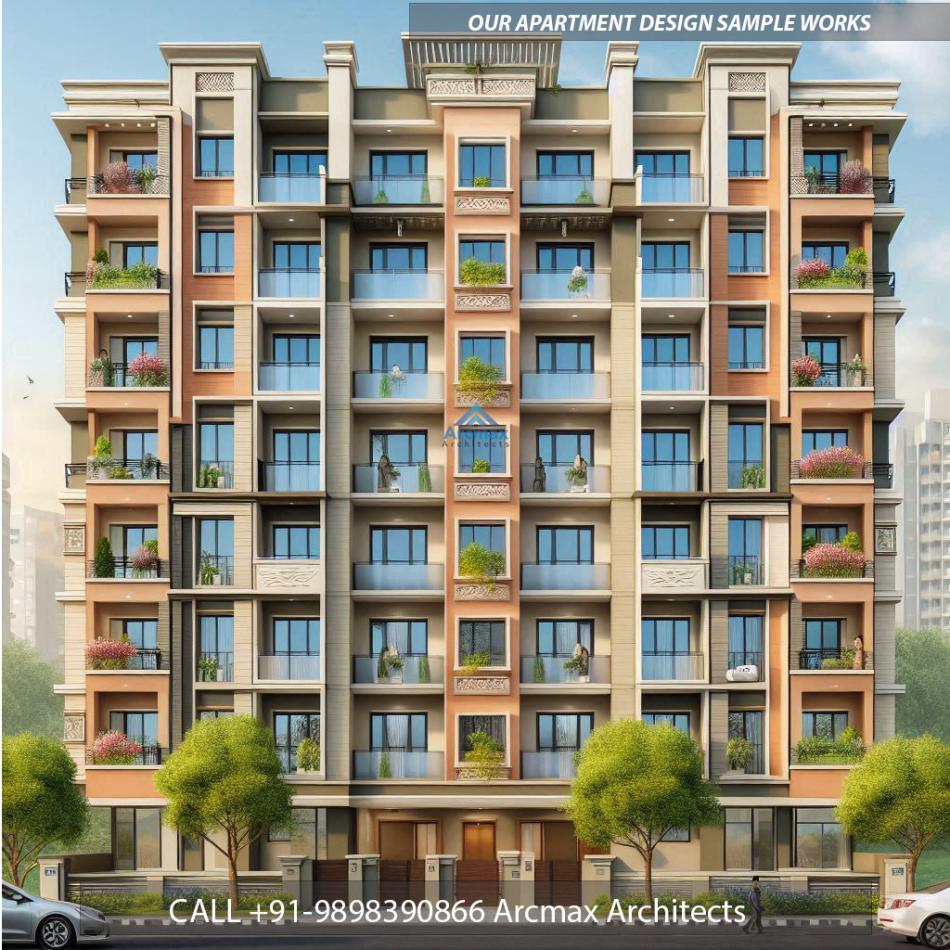
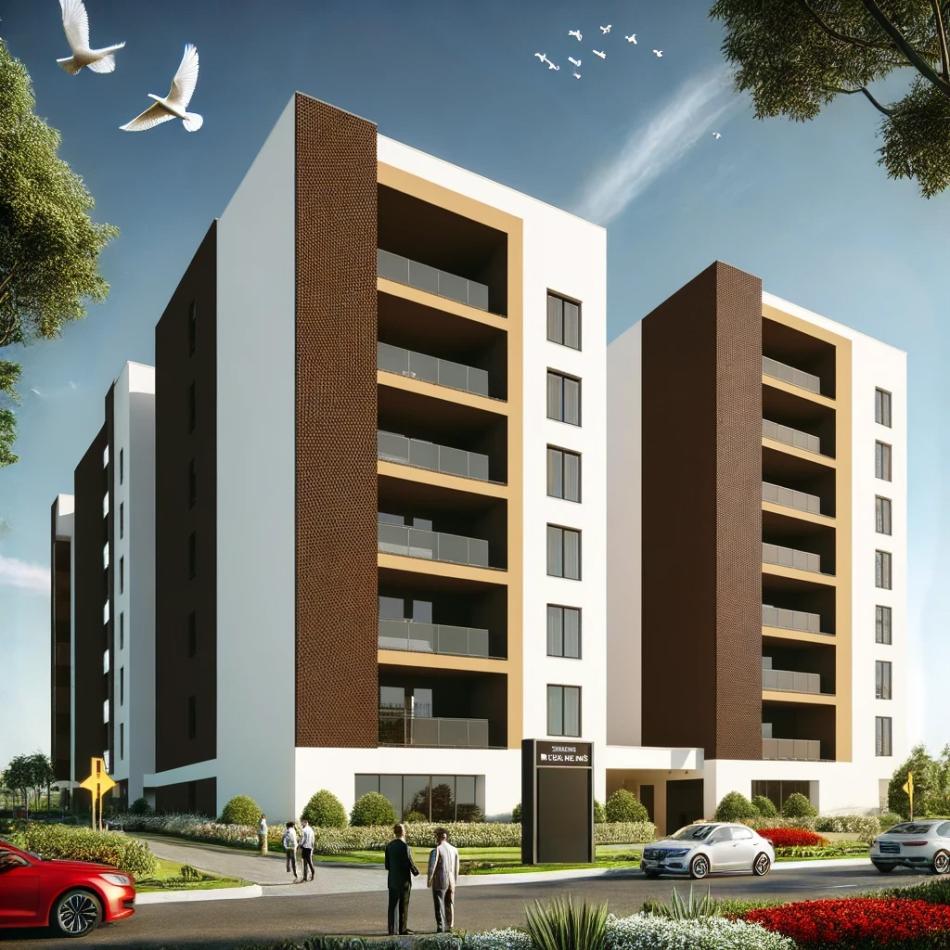
3. Compact Urban Apartments
Designed for small plots in metro cities.
Space-saving interiors, vertical expansion, and shared amenities.
4. Rural Eco-Friendly Homes
Use mud, bamboo, and stone.
Ideal for low-cost housing in villages.
Blend with natural surroundings while being sustainable.
Affordable House Design Ideas and Features
Open Floor Plans – Eliminates unnecessary walls, making small homes appear larger.
Multipurpose Furniture – Sofa-cum-beds, folding dining tables, and modular wardrobes save money and space.
Natural Light & Ventilation – Large windows, skylights, and ventilation blocks reduce reliance on artificial lighting.
Cost-Efficient Roofing – Sheet roofing, precast slabs, or bamboo roofs lower costs compared to RCC slabs.
Compact Kitchen Design – L-shaped or parallel kitchens save space and reduce cabinetry costs.
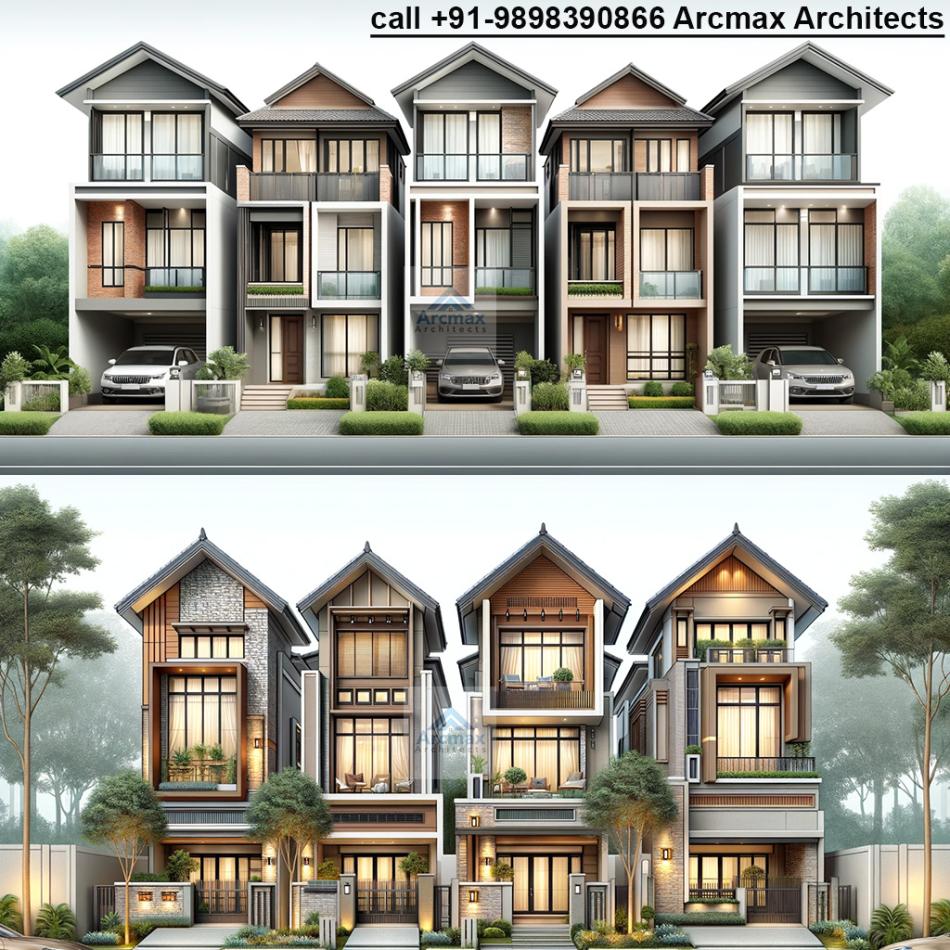
Shared Walls in Duplex Designs – Reduce construction material in semi-detached housing.
Affordable House Design by Size
Small House Plans (400 – 800 sq ft)
Ideal for nuclear families or first-time buyers.
Typically 1 or 2 bedrooms, compact kitchen, and living space.
Popular in urban India, USA, and UK for budget-friendly living.
Medium House Plans (800 – 1500 sq ft)
Balanced layout with 2 or 3 bedrooms.
Modern affordable homes with open-plan kitchens and attached bathrooms.
Suitable for growing families seeking low-cost home design ideas.
Large Affordable Houses (1500+ sq ft)
Focus on maximizing value through modular construction.
Duplex layouts, terrace gardens, and multipurpose halls at controlled budgets.
Affordable House Design in India, USA, and UK
India
High demand for low budget house plans in India due to middle-class growth.
Materials like fly ash bricks, Kota stone flooring, and bamboo reduce costs.
Designs focus on climate responsiveness—sloping roofs for heavy rain, thick walls for heat.
USA
Prefabricated homes and modular houses are popular as affordable options.
Open layouts, energy-efficient HVAC systems, and compact suburban homes dominate.
UK
Affordable housing emphasizes compact terraced houses and townhouses.
Brick and block construction with shared walls reduces costs.
Sustainability and green building codes guide design choices.
Cost-Saving Tips for Affordable House Design
Build in Phases – Construct the essential portion first, then expand.
Choose Plot Wisely – A rectangular, flat plot reduces foundation and design complexity.
Limit Ornamentation – Simple facades save plaster, paint, and finishing costs.
Standard Sizes – Use standard doors, windows, and tiles to reduce customization costs.
DIY Landscaping – Simple gardens, potted plants, and lawns can be added gradually.
Use Local Labor & Materials – Cuts transportation and procurement costs.
Role of Architects in Affordable House Design
Working with experienced house architects ensures that cost reduction does not compromise safety or aesthetics. Architects help in:
Optimizing layouts for maximum utility.
Suggesting low cost construction materials.
Designing for future expansion.
Ensuring compliance with building codes.
Incorporating green building concepts.
Future of Affordable Housing
The demand for affordable house design is expected to rise globally due to urbanization, population growth, and sustainability concerns. Trends shaping the future include:
Prefabricated and modular construction – Faster, cheaper, and customizable.
Smart Homes – Even low-cost homes integrating IoT for energy saving.
Sustainable Materials – Recycled steel, fly ash concrete, and bamboo.
Government Affordable Housing Schemes – Supporting first-time homebuyers.
Affordable house design is not just about cutting costs—it is about creating value. With the right planning, economical materials, and smart layouts, homeowners can achieve modern, stylish, and comfortable homes without financial stress. Whether it’s a low budget house plan in India, a compact modular home in the USA, or a townhouse in the UK, the principles remain the same: smart design, cost control, and sustainability.
Investing in an affordable house design ensures that every square foot is optimized, every rupee or dollar is well spent, and every homebuyer gets to enjoy the dream of owning a beautiful, functional, and future-ready home.
Click To see images in full width




Want a Quotation please fill the form
 Subscribe Our whatsapp Channel to View Our Latest Design Projects