Bakeri City, Pincode: 380015 Ahmedabad, Gujarat, India,
244 Madison Avenue, New York, United States


Our Client






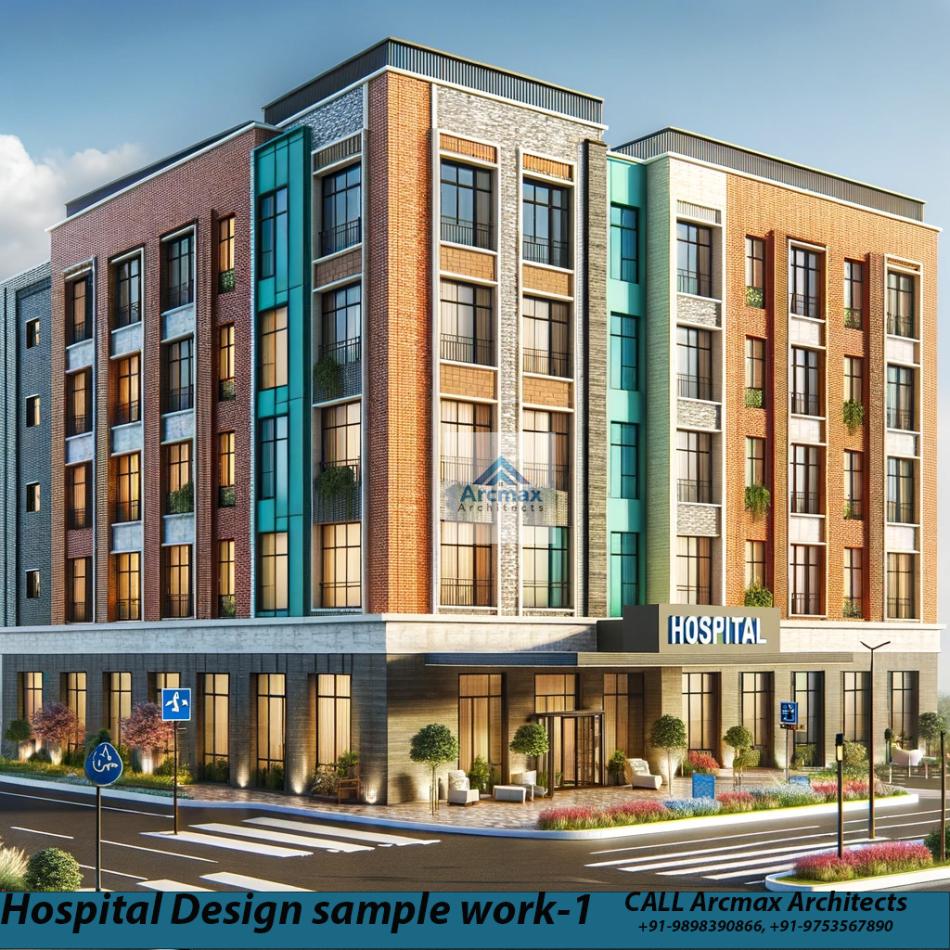
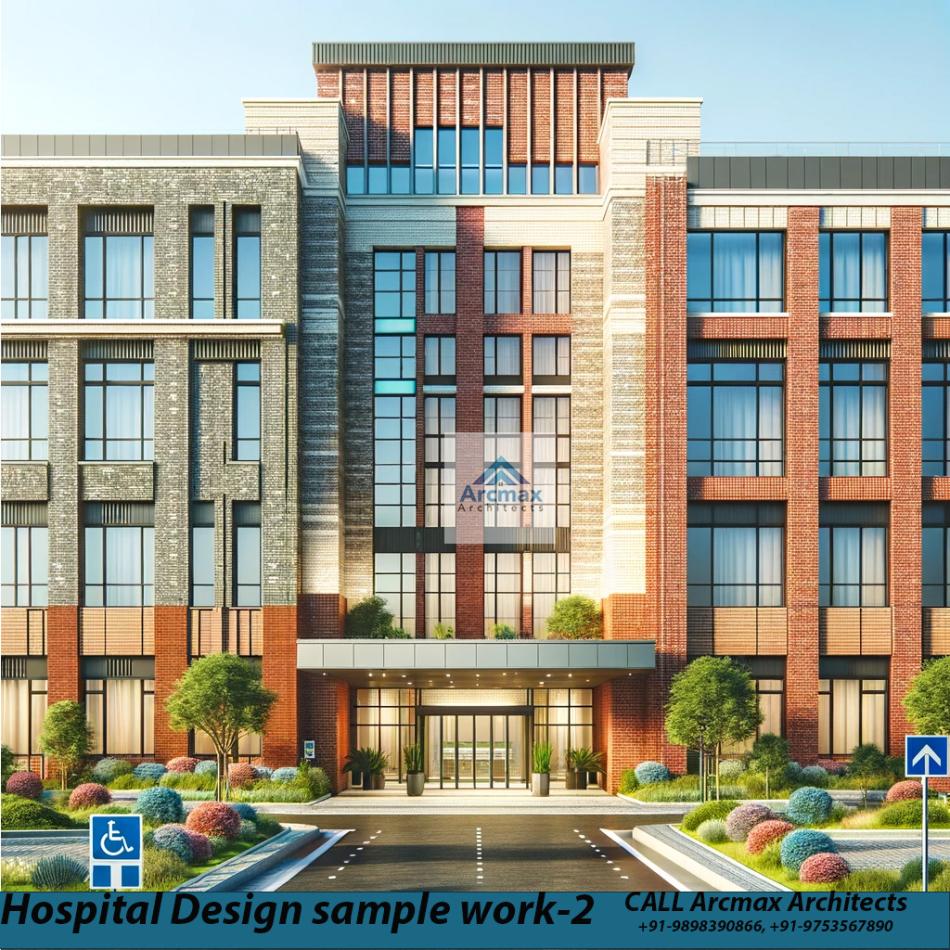
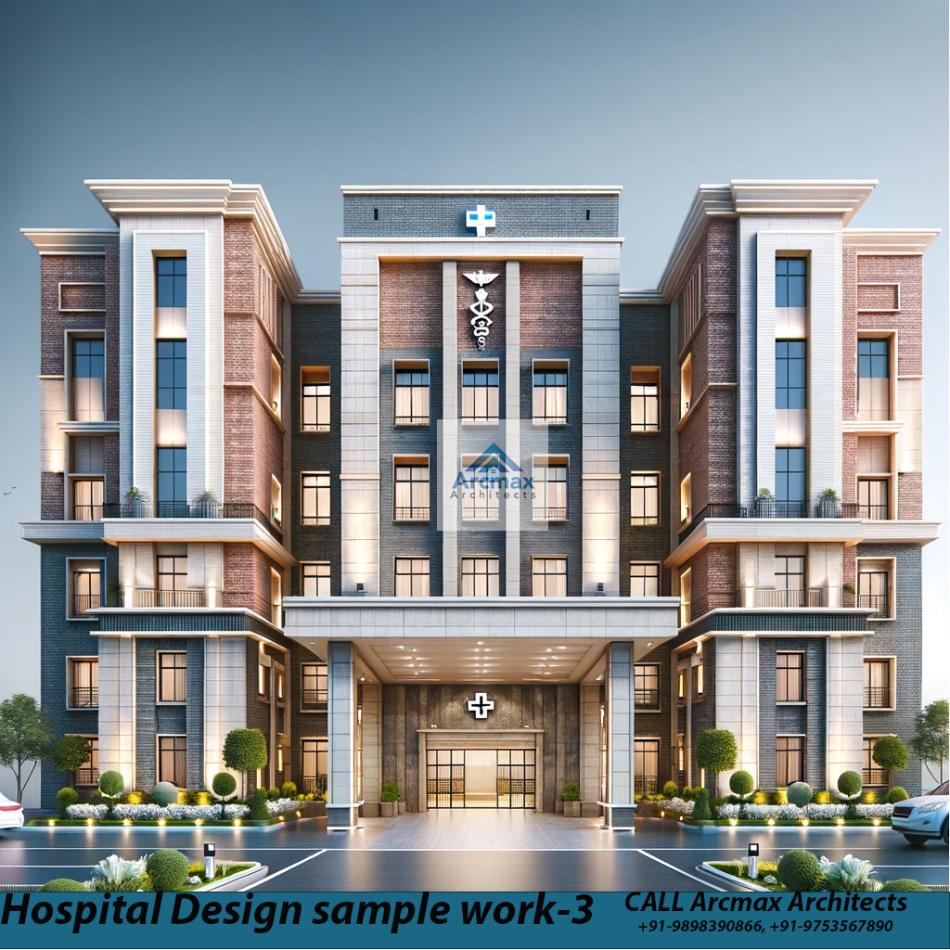
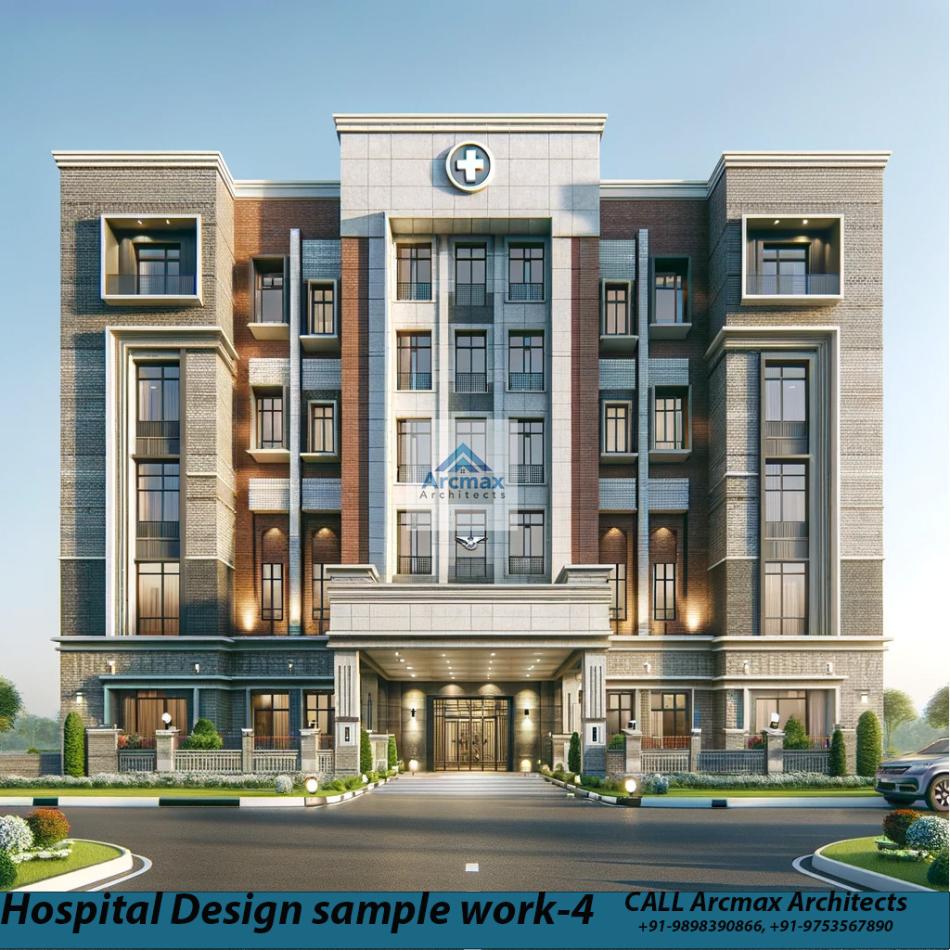



Top 10 Essential Principles of Hospital Space Planning for Safety and Efficiency
Blueprints for Better Care: Top 10 Essential Principles of Hospital Space Planning for Safety and Efficiency
In healthcare architecture, every inch matters. The way a hospital is planned can determine how fast care is delivered, how effectively staff perform, and ultimately, how safely patients recover. A hospital’s layout isn’t just an architectural blueprint — it’s the backbone of the entire care system.
Effective hospital space planning is both an art and a science. It balances clinical functionality, staff efficiency, infection control, and patient comfort. In modern healthcare, design is not decorative — it’s strategic. The hospital itself becomes an active instrument for healing, safety, and efficiency.
Below are ten essential principles that define successful hospital space planning in today’s world.
1. Infection Control and Prevention — The Foundation of Safety
The first and most critical goal in hospital design is infection control.
Layout, materials, and airflow all play vital roles in preventing Hospital-Acquired Infections (HAIs).
Private Patient Rooms: Single-bed rooms are now standard for reducing cross-contamination and enhancing privacy.
Cleanable Materials: Use seamless, non-porous finishes and rounded corners to minimize dust and germs.
Hand Hygiene Access: Place sanitizer dispensers and sinks at every key transition — entryways, corridors, and bedside points.
Controlled Airflow: Critical spaces like operating theatres and isolation wards need precise HVAC pressure balancing to manage airborne particles.
A hospital designed for hygiene builds safety into its walls.
2. Standardization — The Key to Reliability
Predictability saves lives.
When environments are consistent, healthcare teams can focus on patients instead of searching for tools or supplies.
Same-Handed Rooms: Each room mirrors the next — with identical placement of beds, gas outlets, and supplies.
Uniform Procedure Areas: Standardizing procedure rooms across departments ensures flexibility and minimizes confusion.
This approach reduces cognitive load, streamlines workflows, and prevents errors in high-pressure situations.
3. Operational Efficiency — Designing for Speed and Clarity
Every second counts in a hospital. Smart layouts can save minutes that matter.
Logical Adjacencies: Critical areas like the Emergency Department, Imaging, and Operating Rooms should be close together.
Efficient Nursing Units: Clustered or pod-shaped layouts shorten walking distances for staff.
Decentralized Workstations: Small charting areas near patient rooms cut down time wasted in back-and-forth movement.
In short, when design shortens travel, it lengthens care.
4. Wayfinding and Navigation — Design That Guides Naturally
A hospital should guide people, not confuse them.
Good wayfinding design uses space, light, and visual cues — not just signs.
Landmarks and Art Features: Distinct atriums, greenery, or murals help orientation.
Color & Texture Coding: Assign subtle themes to departments — for example, blue for cardiology or green for pediatrics.
Open Sightlines: Allow visitors to see major destinations like lifts or waiting zones from key points.
A well-organized space lowers stress for patients, visitors, and staff alike.
5. Safety and Security — A Culture of Protection
Hospitals serve vulnerable people — safety must be built into every corridor and doorway.
Controlled Circulation: Separate movement paths for patients, visitors, staff, and services to reduce congestion and risk.
Visibility & Oversight: Position nurse stations where they can oversee wards and waiting areas.
Fall Prevention: Design clear pathways to bathrooms and position grab bars strategically for stability.
Safety in design is invisible — but its impact is felt every moment.
6. Patient-Centered & Healing Environments — The Bridge to Calm
Healing is not only clinical; it’s emotional.
Modern design recognizes that a peaceful, humanized environment accelerates recovery.
Access to Light and Nature: Large windows, gardens, and green terraces regulate mood and circadian rhythm.
Acoustic Comfort: Use sound-absorbing materials and quiet alert systems to promote rest.
Family Spaces: Integrate seating or sleep areas for family members to stay close to patients.
A serene atmosphere reduces stress, improves satisfaction, and supports faster recovery.
7. Adaptability & Future-Proofing — Designing for Tomorrow
Healthcare evolves fast. Hospitals must adapt without major disruption.
Modular Rooms: Universal layouts allow reconfiguration for different levels of care.
Built-In Expansion: Structural designs that allow vertical or lateral growth save future costs.
MEP Capacity: Oversized infrastructure ensures readiness for upcoming technology and power needs.
Adaptable design keeps hospitals relevant, resilient, and cost-effective for decades.
8. MEP Integration — The Hidden Lifeline of a Hospital
Behind every modern hospital lies a network of systems that keep it running safely — Mechanical, Electrical, and Plumbing (MEP).
Redundant Systems: Backup power generators and UPS ensure life-saving equipment never fails.
Maintenance Access: Service corridors and shafts allow engineers to perform repairs without disturbing patients.
These systems are invisible to the eye but vital to every heartbeat inside the facility.
9. Sustainability — Efficiency That Lasts
Sustainable hospitals aren’t just good for the planet; they’re smarter for operations too.
Energy Efficiency: LED lighting, smart sensors, and efficient HVAC systems reduce long-term costs.
Water Conservation: Low-flow fixtures and recycling systems minimize waste.
Durable Finishes: Long-lasting, easy-to-maintain materials lower repair expenses.
Green design is no longer a luxury — it’s an operational strategy.
10. Technology & Data-Driven Design — The Digital Blueprint
Technology now shapes how hospitals are designed and managed.
Building Information Modeling (BIM): Virtual 3D planning helps identify spatial and workflow conflicts before construction.
Real-Time Location Systems (RTLS): Enable tracking of patients, staff, and equipment for better efficiency and safety.
When data meets design, hospitals evolve from static buildings into intelligent ecosystems.
Conclusion: Where Architecture and Healing Unite
Hospital space planning is much more than drawing walls and corridors — it’s about creating a system that saves lives through design.
By applying these ten principles — from infection control and workflow optimization to adaptability and technology integration — architects transform hospitals into living, healing environments.
Every carefully planned layout, corridor, and patient room becomes part of a larger mission:
to deliver safer, faster, and more compassionate care.
At Arcmax Architects & Planners, we specialize in designing world-class healthcare facilities that combine innovation, empathy, and engineering precision. Our goal is simple — to design hospitals that not only treat illness but actively promote healing.
Partner with India’s Leading Hospital Design Experts
Visit https://arcmaxarchitect.com
or call +91-9898390866 for hospital design and master planning services across India and abroad.
Click To see images in full width


Want a Quotation please fill the form
 Subscribe Our whatsapp Channel to View Our Latest Design Projects