Bakeri City, Pincode: 380015 Ahmedabad, Gujarat, India,
244 Madison Avenue, New York, United States


Our Client






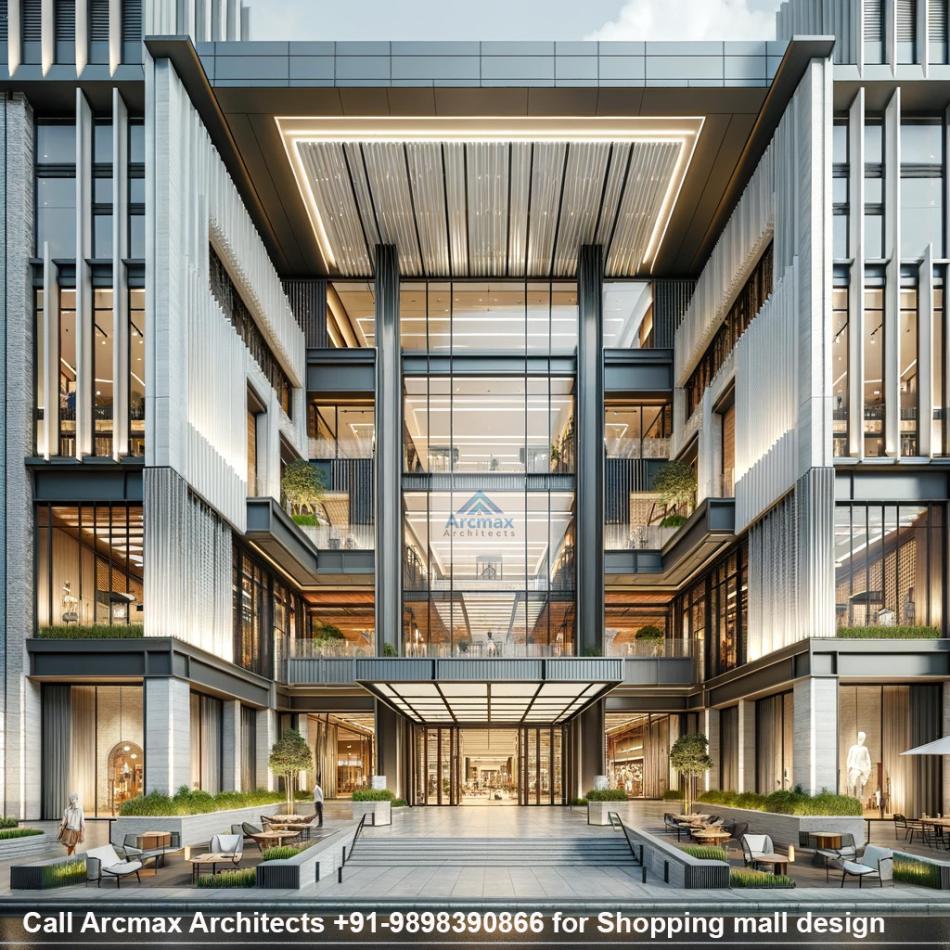
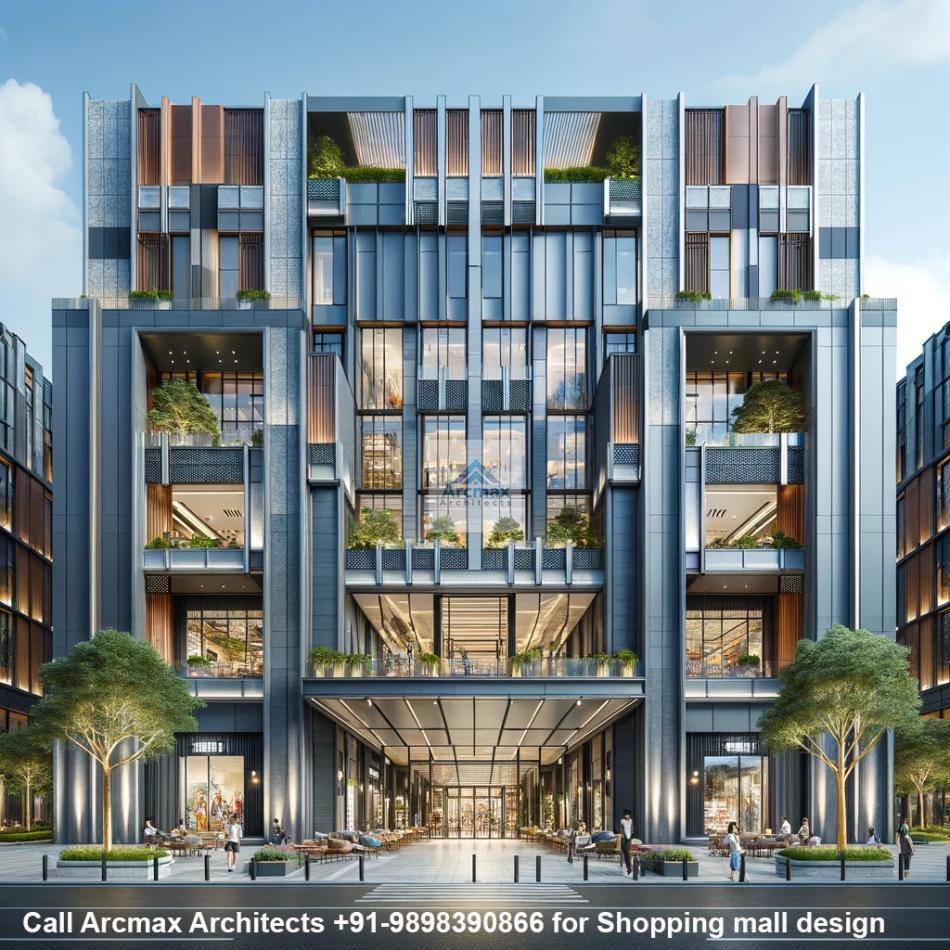
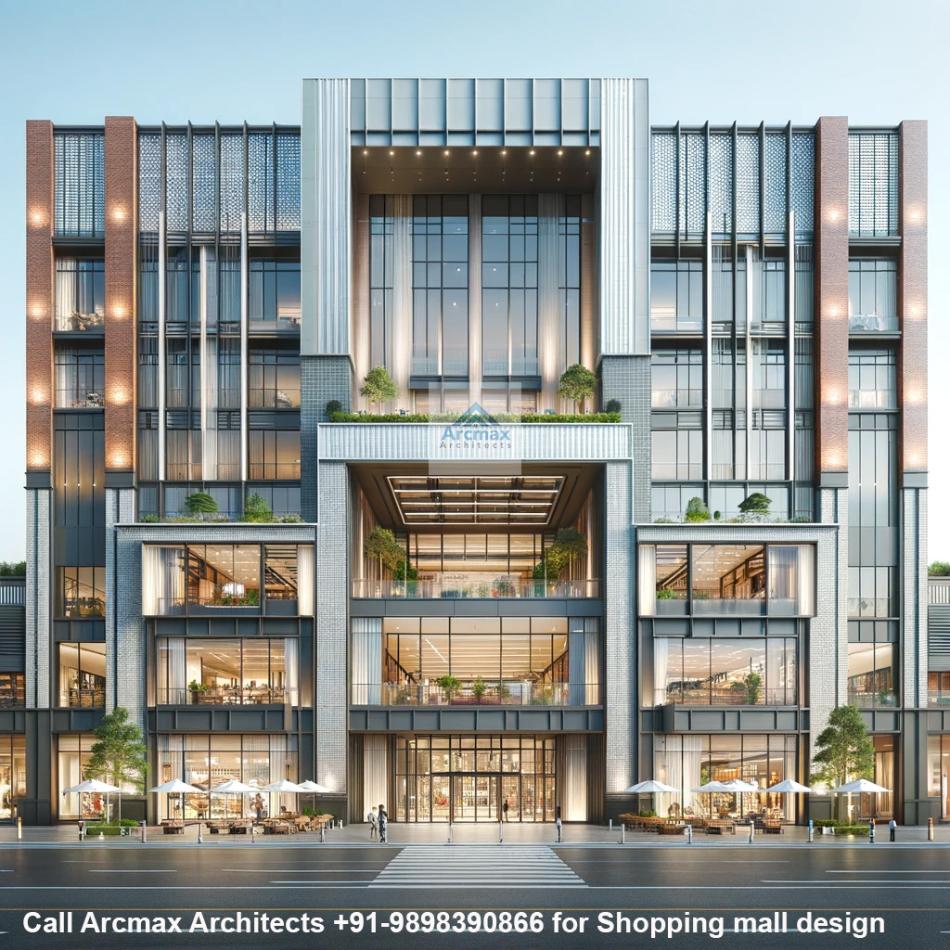

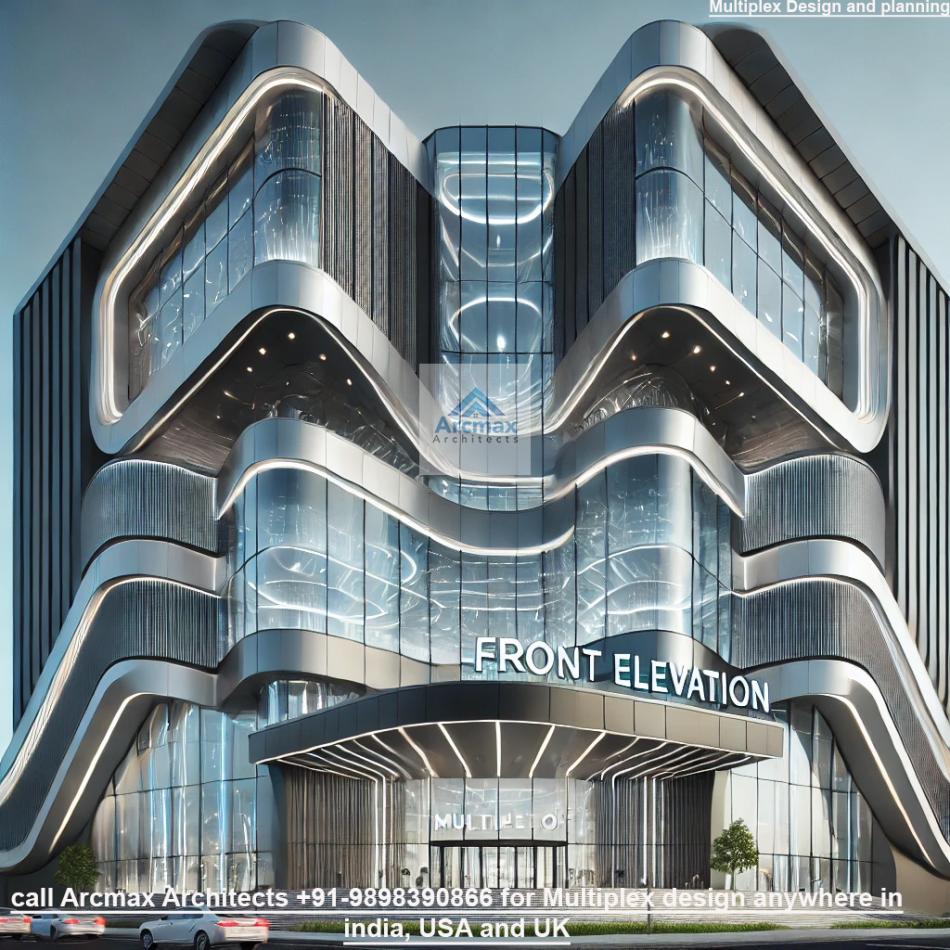
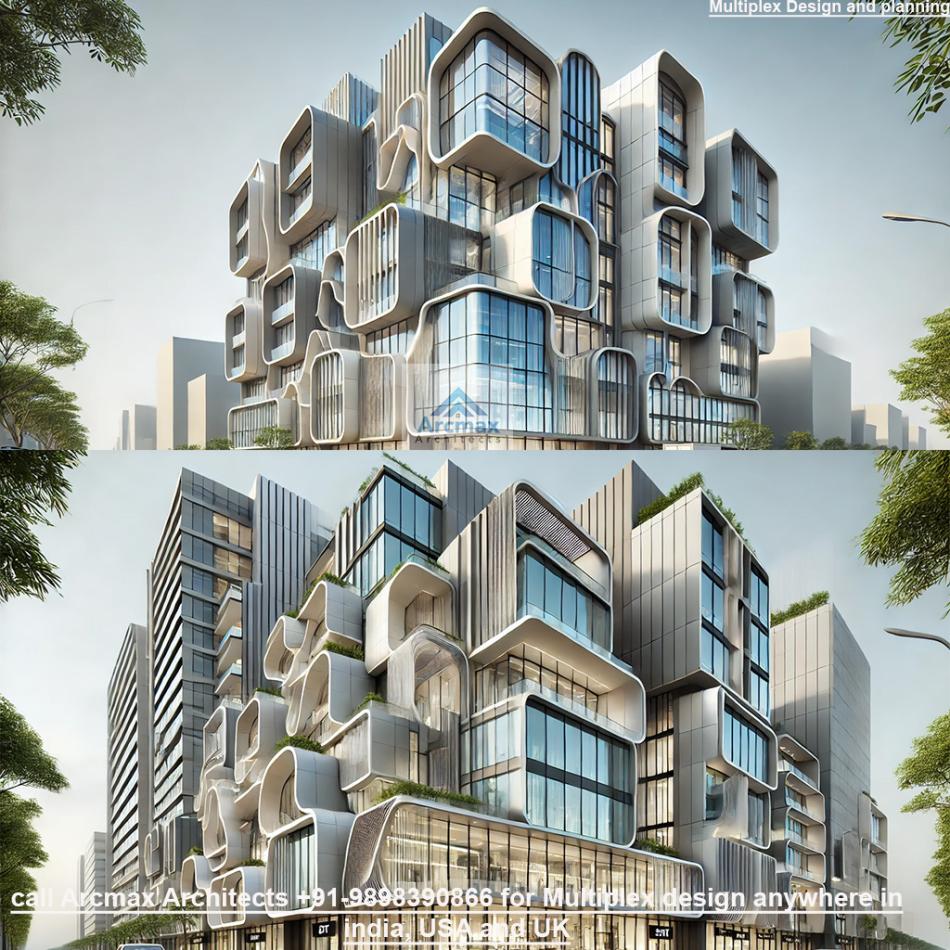
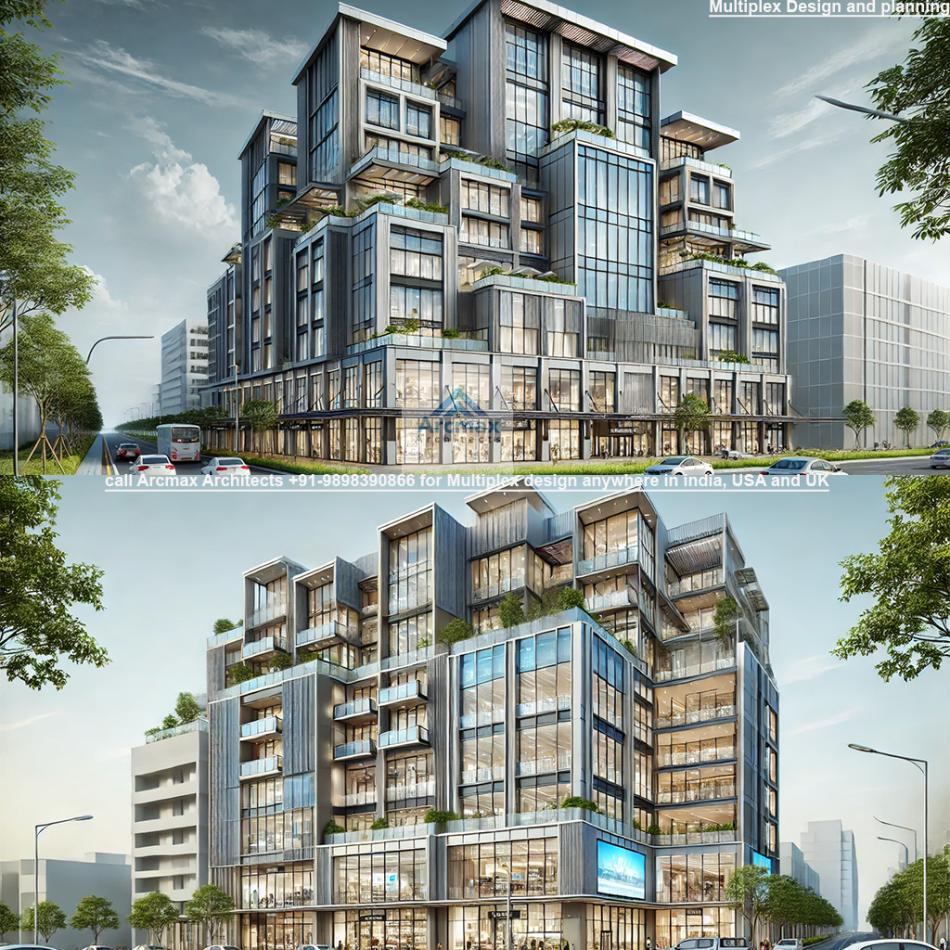
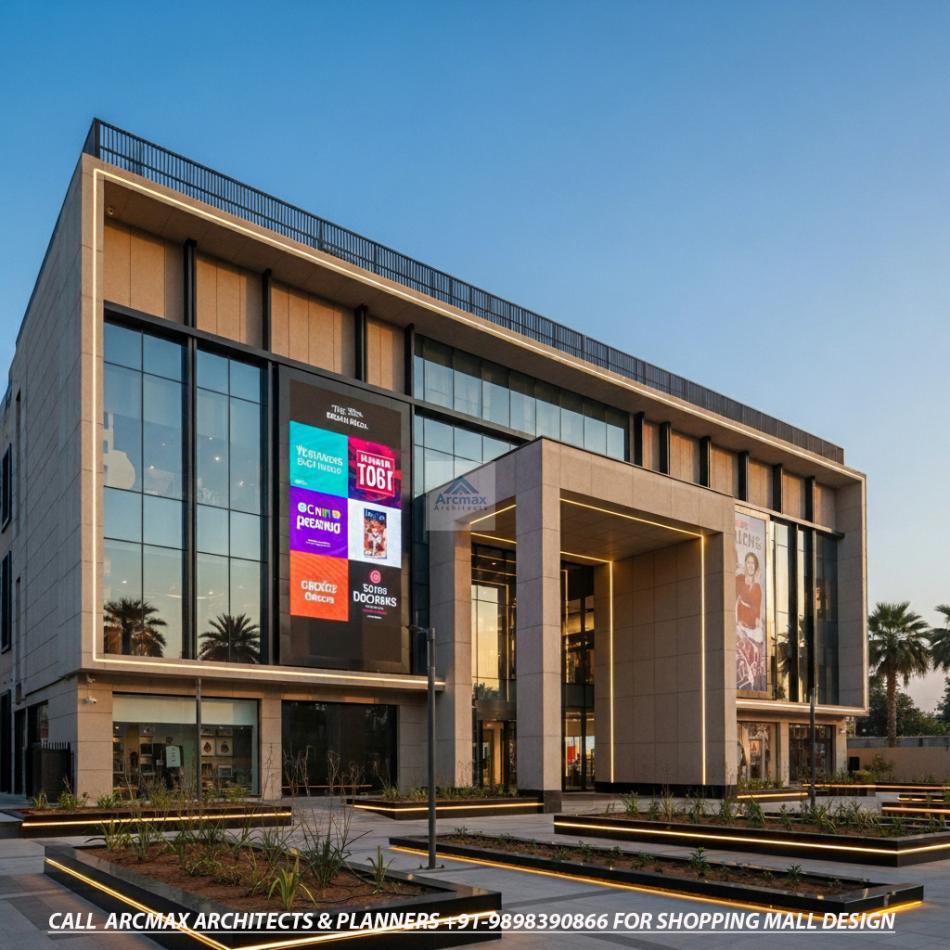
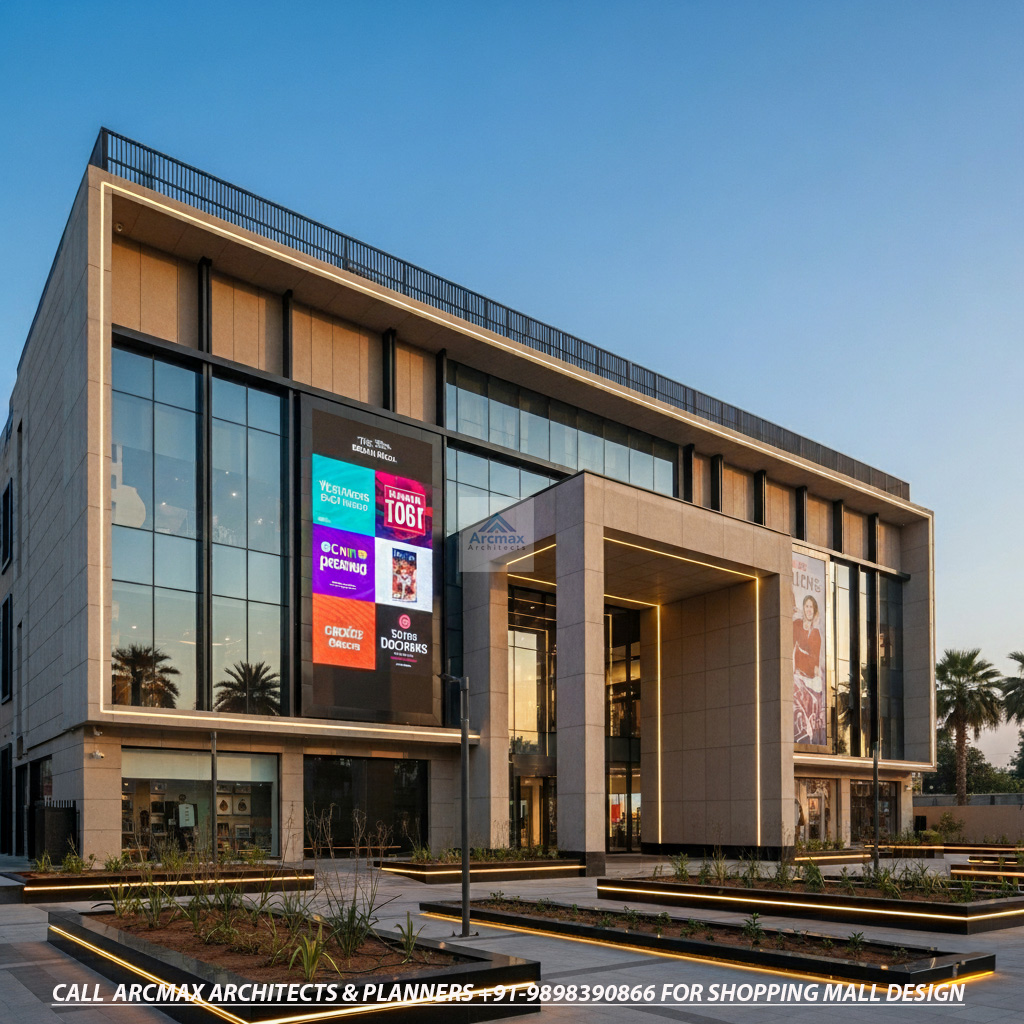
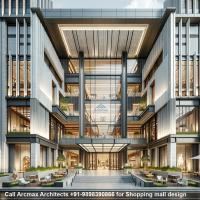
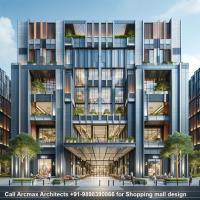
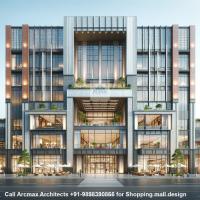
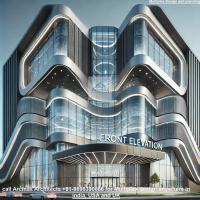
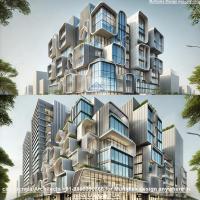
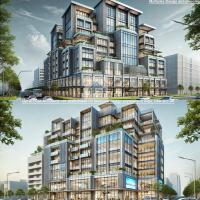
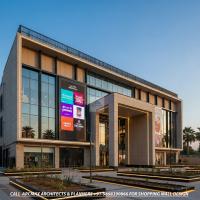
Mini Shopping Mall Design – 25,000 Sq Ft Planning
Get Free Custom Plan of Mini shopping Mall design and Planning on Site area 25000 Square Feet anywhere in The World as Per Your requirements
Expertise Consultation for Every Projects
Free Project Co-Ordination with Construction Company and Other International Consultants
Free Alteration and additions as per client's needs
Looking for Mini shopping Mall design and Planning on Site area 25000 Square Feet ? Get This Design, designed by Arcmax Architects and planners or call +91-9898390866
Mini Shopping Mall Design – 25,000 Sq Ft Planning
Arcmax Architects & Planners are specialists in mini shopping mall design, offering creative and practical solutions for small-format retail complexes around 25,000 sq ft. In today’s evolving retail market, investors and developers are increasingly looking for compact malls that provide strong returns while catering to community shopping needs. Arcmax delivers investor-friendly plans that maximize space utilization, ensure smooth customer flow, and create vibrant shopping destinations.
Smart Retail Layouts
Our mini mall designs focus on a balanced mix of anchor stores, smaller retail units, kiosks, and food outlets. Each plan is developed with leasing depth optimization, ensuring shops get the right frontage and visibility. Strategic placement of escalators, lifts, and atriums ensures seamless circulation for shoppers across multiple levels.
Parking & Accessibility
Efficient parking is crucial for smaller malls, and we design multi-level or basement parking zones to accommodate visitors without congestion. Clear entry and exit points, service access, and pedestrian pathways are carefully planned to enhance convenience and safety.
Investor-Friendly Concepts
Arcmax Architects emphasize cost-effective construction and long-term profitability. Our layouts are designed to attract steady footfall, support diverse tenant mixes, and adapt to future retail trends. With 2D drawings, 3D visualizations, and BOQs, clients gain a clear understanding of their investment potential.
Expertise in Commercial Architecture
With years of experience in retail and commercial architecture across India and abroad, Arcmax has delivered shopping complexes, malls, and mixed-use projects that blend creativity with functionality. Our 25,000 sq ft mini mall design solutions are ideal for developers aiming to create modern, community-driven shopping hubs that are both profitable and sustainable.
If you are planning a small shopping complex, Arcmax Architects can help you design a future-ready retail layout that balances aesthetics, efficiency, and ROI.
Designing and planning a mini shopping mall on a 25,000 square feet space in India involves several considerations, including architectural design, customer flow, tenant mix, local regulations, and cultural aspects. Here's a general outline to get you started:
Site Analysis and Planning:
Assess the location and its accessibility.
Understand local demographics to determine the potential customer base.
Consider parking needs and traffic flow around the site.
Conceptual Design:
Determine the theme or concept of the mall. This could be influenced by local culture, contemporary trends, or a unique selling proposition.
Plan for a mix of retail spaces, food and beverage outlets, entertainment zones, and possibly a multipurpose area for events.
Architectural Design:
The architecture should be both functional and aesthetically pleasing, with an emphasis on creating an inviting atmosphere.
Ensure efficient use of space, keeping in mind the need for wide corridors for easy movement, adequate lighting, and ventilation.
Incorporate traditional Indian architectural elements for local relevance, if appropriate.
Tenant Mix and Space Allocation:
A strategic mix of anchor stores, brand outlets, local shops, food courts, and entertainment areas is crucial.
Allocate space based on tenant requirements and anticipated customer flow.
Sustainability and Environment:
Implement green building practices where possible, like solar panels, rainwater harvesting, and energy-efficient lighting.
Plan for green spaces or landscaped areas to enhance the environmental quality of the mall.
Safety and Regulations:
Comply with all local building codes and safety regulations.
Include adequate fire safety measures, emergency exits, and accessibility features.
Technology Integration:
Plan for Wi-Fi connectivity, digital directories, and interactive kiosks.
Consider implementing a building management system for efficient operation.
Cultural and Social Elements:
Incorporate local art and cultural motifs in the design.
Plan for community spaces or areas where local events and activities can be hosted.
Financial Planning:
Prepare a budget considering construction costs, operational expenses, and potential revenue streams.
Explore financing options and potential partnerships or investors.
Marketing and Promotion:
Develop a marketing strategy to attract tenants and shoppers.
Consider pre-launch promotions and events to generate interest.
Remember, the key to a successful shopping mall is creating an environment where people want to spend time, not just shop. Hence, the design should focus on creating experiences, convenience, and a sense of community. Collaborating with a local architect or a firm with experience in commercial projects in India will be beneficial in navigating the specific challenges and opportunities of the region.
Click To see images in full width

Want a Quotation please fill the form
 Subscribe Our whatsapp Channel to View Our Latest Design Projects